
Combat-Proven Warbirds: Why Fourth-Generation Fighters Dominate Modern Warfare Despite Advanced Stealth Technology
Breaking airline news and aviation industry updates for 2026.

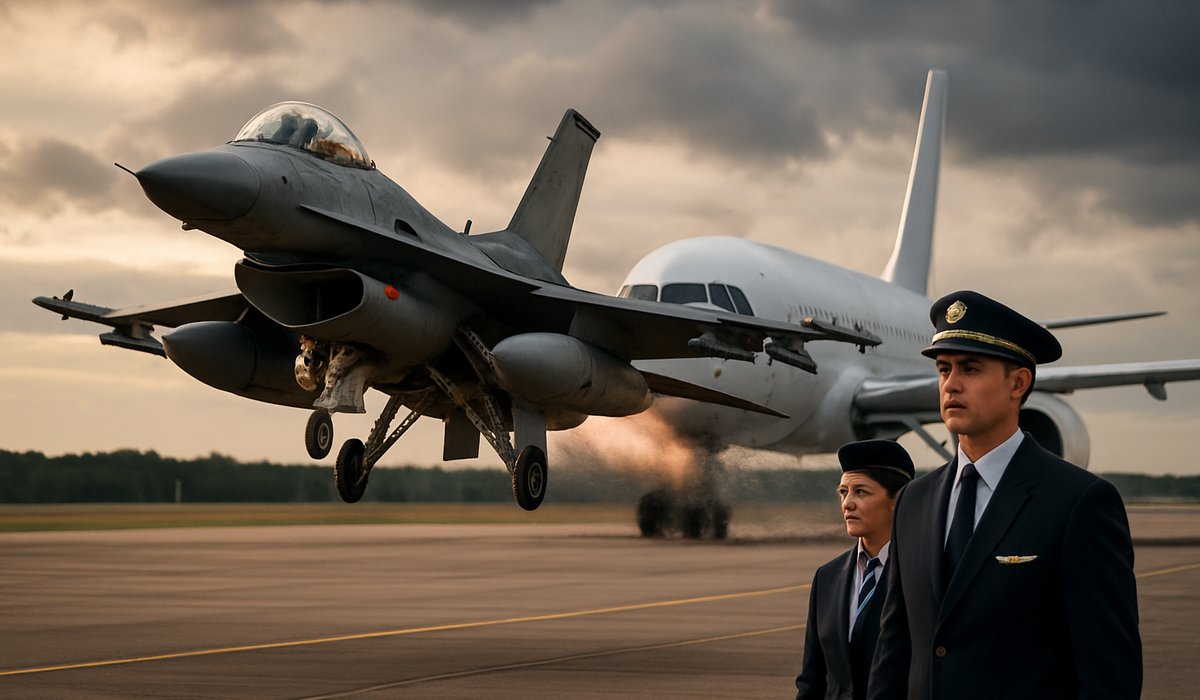
Image generated by AI
Combat-Proven Warbirds: Why Fourth-Generation Fighters Dominate Modern Warfare Despite Advanced Stealth Technology
While defense contractors tout cutting-edge fifth and sixth-generation platforms, legacy aircraft continue bearing the brunt of real-world military operations
The Reality of Modern Air Combat
The narrative surrounding contemporary military aviation centers overwhelmingly on next-generation technological marvels—Lockheed Martin's F-35 Lightning II and Boeing's forthcoming sixth-generation F-47 dominate headlines and defense budgets. Yet a starkly different reality emerges when examining actual combat operations: older, fourth and fourth-and-a-half generation fighter platforms shoulder the operational burden, while their celebrated successors languish in hangars as development platforms and strategic deterrents.
This disconnect between defense procurement ambitions and operational necessity reveals fundamental truths about military aviation procurement, budgetary constraints, and the practical limitations of hypersonic-era technology.
Legacy Aircraft Driving Real-World Missions
Established fighters—including Lockheed Martin's F-22 Raptor and China's Chengdu J-20 Mighty Dragon—remain largely relegated to training exercises and show-of-force operations rather than sustained combat deployments. These platforms, despite revolutionary stealth capabilities and advanced avionics, face significant operational deployment challenges.
In contrast, proven fourth-generation systems continue executing the vast majority of offensive sorties, close-air support missions, and interdiction operations across global conflict zones. Their affordability, reliability, and mature logistics networks make them the workhorses of contemporary air forces.
Strategic Stealth Assets in Limited Roles
Notable exceptions include Northrop Grumman's B-2 Spirit stealth bomber and Russia's Sukhoi Su-57 Felon fighter, which maintain operational commitments as cornerstone assets within their respective military strategies. However, these platforms operate in carefully defined strategic roles rather than serving as general-purpose combat aircraft.
The B-2, in particular, performs specialized deep-strike missions where stealth advantages justify operational deployment. Russia's Su-57 similarly functions as a flagship air-superiority platform, though its production numbers remain limited compared to legacy fighters.
Structural Challenges in Next-Generation Aviation
Fifth-generation fighters suffer from several persistent constraints: astronomical unit costs exceeding $100 million per aircraft, complex supply chains vulnerable to geopolitical disruptions, limited pilot training infrastructure, and unproven combat track records. Meanwhile, proven fourth-generation platforms benefit from established manufacturing ecosystems, interchangeable components, and operator experience spanning decades.
The gap between technological capability and operational practicality underscores why air forces worldwide continue ordering and upgrading legacy platforms, ensuring their relevance throughout the 2030s.
FAQ: Combat Aircraft and Military Aviation
Q: Why do older fighters still dominate combat operations? A: Cost, reliability, and proven operational track records make fourth-generation aircraft more practical for sustained deployments than expensive, complex fifth-generation platforms.
Q: What is the difference between fourth and fifth-generation fighters? A: Fifth-generation aircraft feature stealth technology, advanced radar systems, and sensor fusion capabilities; fourth-generation relies on conventional design with improved avionics.
Q: How many F-35s are currently deployed in combat? A: While F-35 fleets continue expanding, actual combat deployment remains limited compared to legacy fighter operations globally.
Q: Why hasn't the F-22 Raptor been used extensively in combat? A: The F-22 operates primarily as a strategic deterrent; its scarcity and cost make operational commanders hesitant to risk the platform in sustained campaigns.
Q: When will sixth-generation fighters become operational? A: Boeing's F-47 and similar programs remain in development phases, with operational deployment likely in the 2030s at earliest.
Related Travel Guides
Flight Delay Compensation Guide 2026
Understanding Airline Route Changes
Airport Security Process Updated (2026)
External Resources
Disclaimer
This article is for informational and educational purposes only. It does not constitute legal, financial, or professional advice. While we strive to provide accurate and up-to-date information, travel policies, regulations, and conditions change rapidly. Always verify information with official sources before making travel decisions. Nomad Lawyer makes no representations about the accuracy, reliability, completeness, or suitability of the information provided. Readers should consult qualified professionals for advice specific to their circumstances. The views expressed in this article are those of the author and do not necessarily reflect the views of Nomad Lawyer.
Preeti Gunjan
Contributor & Community Manager
A passionate traveller and community builder. Preeti helps grow the Nomad Lawyer community, fostering engagement and bringing the reader experience to life.
Learn more about our team →