
United Airlines Deploys Lie-Flat Seats on Domestic Transcontinental Routes—Here's What's Really Driving the Strategy
Breaking airline news and aviation industry updates for 2026.

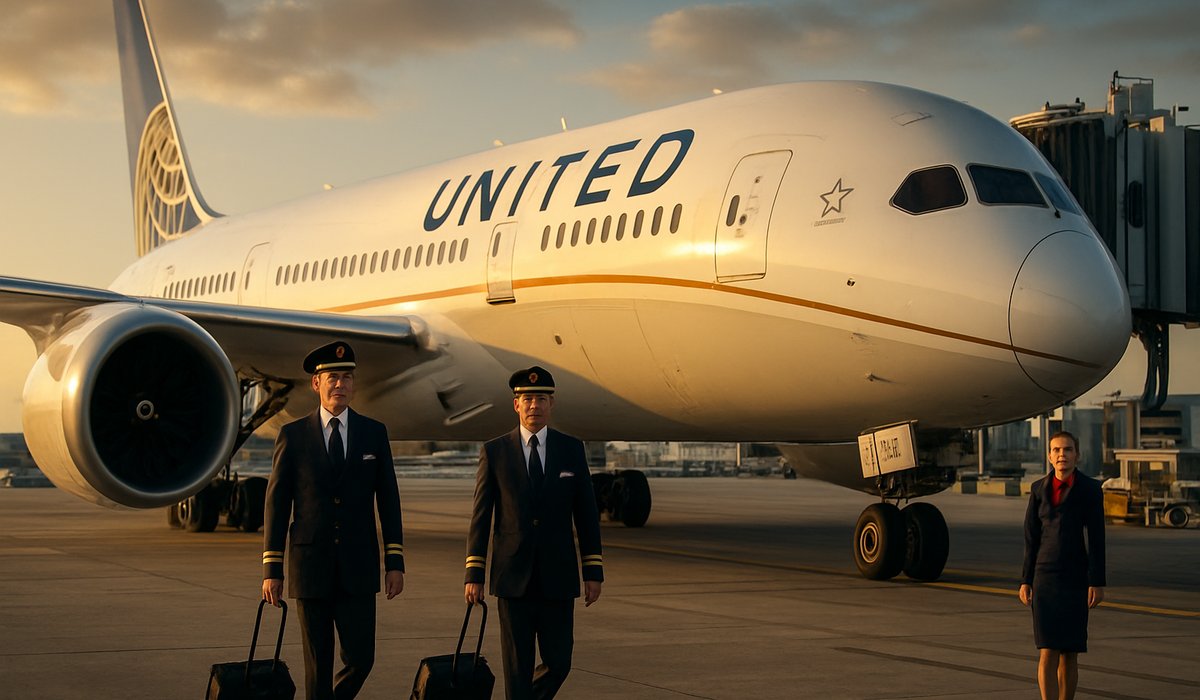
Image generated by AI
United Airlines Deploys Lie-Flat Seats on Domestic Transcontinental Routes—Here's What's Really Driving the Strategy
The carrier's aggressive premium cabin expansion on sub-six-hour flights signals a broader industry shift toward maximizing ancillary revenue and capturing high-value business travelers
Strategic Pivot Beyond Traditional Long-Haul Logic
United Airlines is making a counterintuitive move that challenges conventional aviation wisdom: rolling out lie-flat Polaris business-class suites on domestic transcontinental routes under six hours in duration. While such premium seating configurations have historically been reserved for overnight international and extended long-haul flights where sleep functionality justifies premium pricing, the carrier's new Airbus A321neo "Coastliner" program represents a calculated departure from established industry norms.
On paper, flights connecting Newark with Los Angeles or San Francisco—while traversing the continental United States—operate primarily during daylight hours for most passengers. Yet United's investment in premium lie-flat cabins on these routes signals something deeper than passenger comfort considerations alone.
Revenue Maximization in a Competitive Premium Market
The fundamental driver behind this expansion is straightforward: premium cabin revenue. As legacy carriers face intensifying competition from low-cost carriers and shifting business travel patterns in the post-pandemic era, airlines are aggressively pursuing high-yield passengers willing to pay premium fares. United's deployment of lie-flat seating on transcontinental domestic sectors represents an attempt to capture market share among affluent leisure travelers and corporate clients accustomed to international business-class experiences.
The strategy also addresses the broader aviation industry challenge of fleet modernization. Aging aircraft require replacement, and when airlines invest in new narrow-body jets like the A321neo, maximizing revenue per available seat-mile becomes critical to justify capital expenditures and maintain profitability amid volatile jet fuel prices and operational pressures.
Competitive Pressure and Evolving Passenger Expectations
Delta Air Lines and American Airlines have similarly invested in premium domestic cabin upgrades, forcing United to match or exceed competitive offerings. High-value travelers now expect amenities on domestic flights that were once exclusive to international cabins, creating market pressure across the industry.
United's Polaris suites—featuring direct-aisle access, expanded personal space, and enhanced dining—appeal to executives and affluent travelers seeking differentiation from basic economy and standard premium economy offerings.
Broader Industry Implications
This trend reflects the aviation sector's ongoing transformation toward ancillary revenue optimization. Airlines increasingly view premium seating, baggage charges, and specialized cabin experiences as essential profit centers rather than optional amenities. As jet fuel prices remain subject to geopolitical volatility and competition intensifies, carriers will continue deploying premium products on previously untapped routes.
FAQ: Premium Cabin Strategy on Domestic Flights
Why are airlines adding lie-flat seats to short domestic flights? Airlines prioritize premium revenue generation and competitive differentiation on profitable routes, regardless of flight duration.
How do lie-flat seats on 5-hour flights differ from long-haul use? Functionality remains identical; the distinction lies in marketing sleep-focused amenities to daytime travelers willing to pay premium fares.
What impact will this have on airline ticket prices? Expect continued premium fare increases as carriers monetize enhanced cabin experiences on high-demand routes.
Are other carriers following United's strategy? Yes—Delta, American, and Southwest are similarly investing in premium domestic cabin upgrades to remain competitive.
How does this relate to current jet fuel price volatility? Premium revenue becomes increasingly critical when operational costs fluctuate, incentivizing airlines to maximize profitability per flight.
Related Travel Guides
Flight Delay Compensation Guide 2026
Understanding Airline Route Changes
Airport Security Process Updated (2026)
External Resources
Disclaimer
This article is for informational and educational purposes only. It does not constitute legal, financial, or professional advice. While we strive to provide accurate and up-to-date information, travel policies, regulations, and conditions change rapidly. Always verify information with official sources before making travel decisions. Nomad Lawyer makes no representations about the accuracy, reliability, completeness, or suitability of the information provided. Readers should consult qualified professionals for advice specific to their circumstances. The views expressed in this article are those of the author and do not necessarily reflect the views of Nomad Lawyer.
Raushan Kumar
Founder & Lead Developer
Full-stack developer with 11+ years of experience and a passionate traveller. Raushan built Nomad Lawyer from the ground up with a vision to create the best travel and law experience on the web.
Learn more about our team →