
United Airlines Deploys AI Tool to Optimize Flight Connections, Reducing Missed Flights at Major Hubs
Breaking airline news and aviation industry updates for 2026.

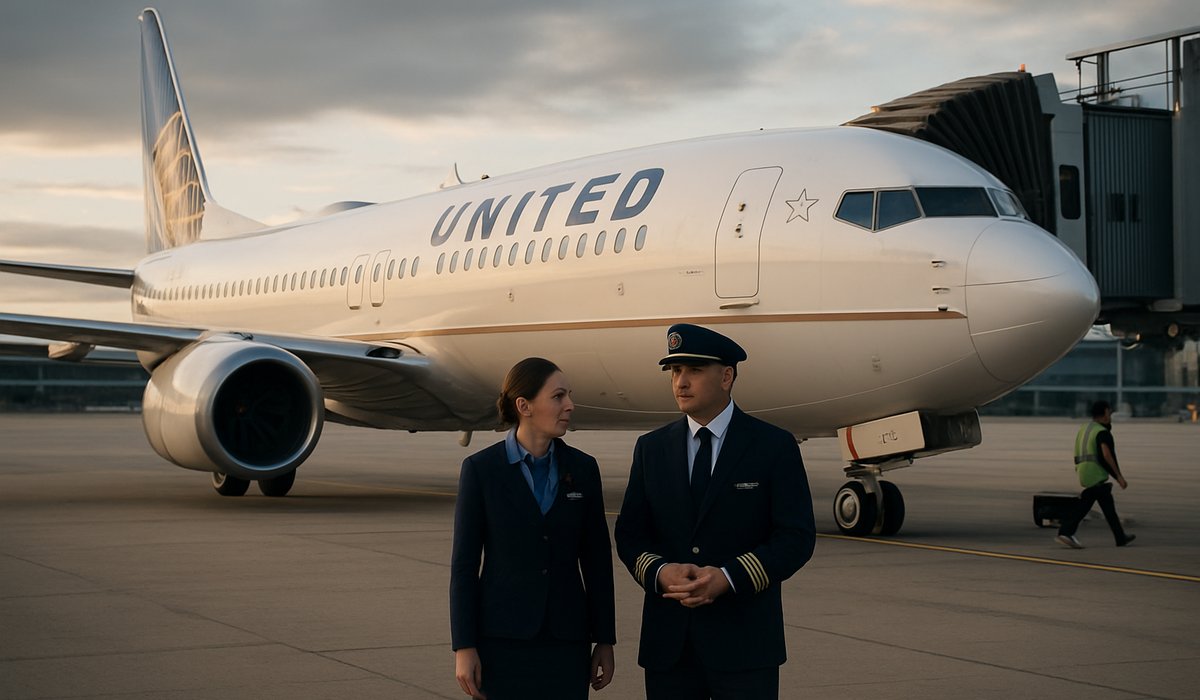
Image generated by AI
United Airlines Deploys AI Tool to Optimize Flight Connections, Reducing Missed Flights at Major Hubs
Carrier's new 'ConnectionSaver' system marks shift toward artificial intelligence-driven airport operations
Breaking Development in Airport Operations
United Airlines has rolled out a sophisticated artificial intelligence system designed to empower ground staff with real-time decision-making capabilities at some of its busiest connection hubs. The initiative, branded 'ConnectionSaver,' represents a strategic push by the carrier to reduce costly missed connections while simultaneously improving operational efficiency across its network.
The technology deployment comes as the aviation industry grapples with mounting operational pressures, from capacity constraints to fuel cost volatility. For United, whose hub-and-spoke model relies heavily on seamless passenger transfers, the stakes are particularly high. Denver International Airport, one of the carrier's critical connection points, has become the testing ground for this innovation.
How the AI System Works
The ConnectionSaver platform equips airport personnel with data-driven insights to determine whether holding an outbound aircraft for delayed inbound passengers represents a viable operational strategy. Rather than relying on traditional manual assessments, the system analyzes multiple variables—passenger loads, crew duty times, downstream flight schedules, and network ripple effects—to recommend optimal decisions in real time.
"The system will tell us," one United official explained, underscoring the shift toward algorithmic decision-making in airport management. This approach reduces human judgment variance and standardizes responses across multiple locations, critical for maintaining schedule reliability.
Industry Context and Broader Implications
The move reflects a broader industry trend toward automation in aviation operations. Airlines face mounting pressure to improve on-time performance while managing tighter margins—a challenge amplified by volatile jet fuel prices and post-pandemic staffing constraints. Missed connections generate cascading costs: rebooking expenses, passenger compensation, and potential revenue loss on downstream flights.
For passengers, the technology promises tangible benefits. Reduced missed connections translate to fewer disrupted itineraries and improved travel reliability, particularly for business travelers transiting through major hubs where minute-level schedule synchronization matters enormously.
Competitive Positioning
United's investment in AI-driven ground operations positions the carrier among early movers in leveraging machine learning for operational decisions. Competitors have similarly explored digital transformation initiatives, though adoption rates remain varied across the industry. The deployment at Denver serves as a proving ground that could eventually expand to other United hubs, including Chicago, Houston, and Newark.
The initiative also signals confidence in artificial intelligence's role in solving aviation's persistent operational challenges—challenges that neither pure automation nor entirely manual processes have fully resolved.
FAQ: Flight Connections, Airport Operations, and Aviation Technology
Q: How does AI improve flight connection success rates? A: AI systems analyze passenger loads, crew scheduling, and network impacts to determine whether holding aircraft for connecting passengers is operationally feasible, reducing missed connections through data-driven decisions.
Q: Which United Airlines hubs are implementing this technology first? A: The 'ConnectionSaver' system is initially deployed at Denver International Airport, United's major connection hub, with potential expansion to other major facilities.
Q: Does this technology affect passenger fees or baggage charges? A: No; the system focuses on operational efficiency rather than pricing structures, though improved reliability may enhance customer satisfaction.
Q: How does this impact overall aviation industry trends? A: The deployment reflects growing industry adoption of AI and machine learning to optimize operations, reduce fuel waste, and enhance schedule reliability amid volatile operational environments.
Q: What are the broader benefits for passengers on connecting flights? A: Passengers benefit from improved on-time performance, reduced misconnections, fewer rebooking requirements, and overall enhanced travel reliability through hub airports.
Related Travel Guides
Flight Delay Compensation Guide 2026
Understanding Airline Route Changes
Airport Security Process Updated (2026)
External Resources
Disclaimer
This article is for informational and educational purposes only. It does not constitute legal, financial, or professional advice. While we strive to provide accurate and up-to-date information, travel policies, regulations, and conditions change rapidly. Always verify information with official sources before making travel decisions. Nomad Lawyer makes no representations about the accuracy, reliability, completeness, or suitability of the information provided. Readers should consult qualified professionals for advice specific to their circumstances. The views expressed in this article are those of the author and do not necessarily reflect the views of Nomad Lawyer.
Preeti Gunjan
Contributor & Community Manager
A passionate traveller and community builder. Preeti helps grow the Nomad Lawyer community, fostering engagement and bringing the reader experience to life.
Learn more about our team →