
Ukraine Alerts ICAO to Russian Airspace Safety Risks
Ukraine files formal ICAO complaint over Russian airspace safety following drone disruptions at Moscow's Sheremetyevo and Vnukovo airports.

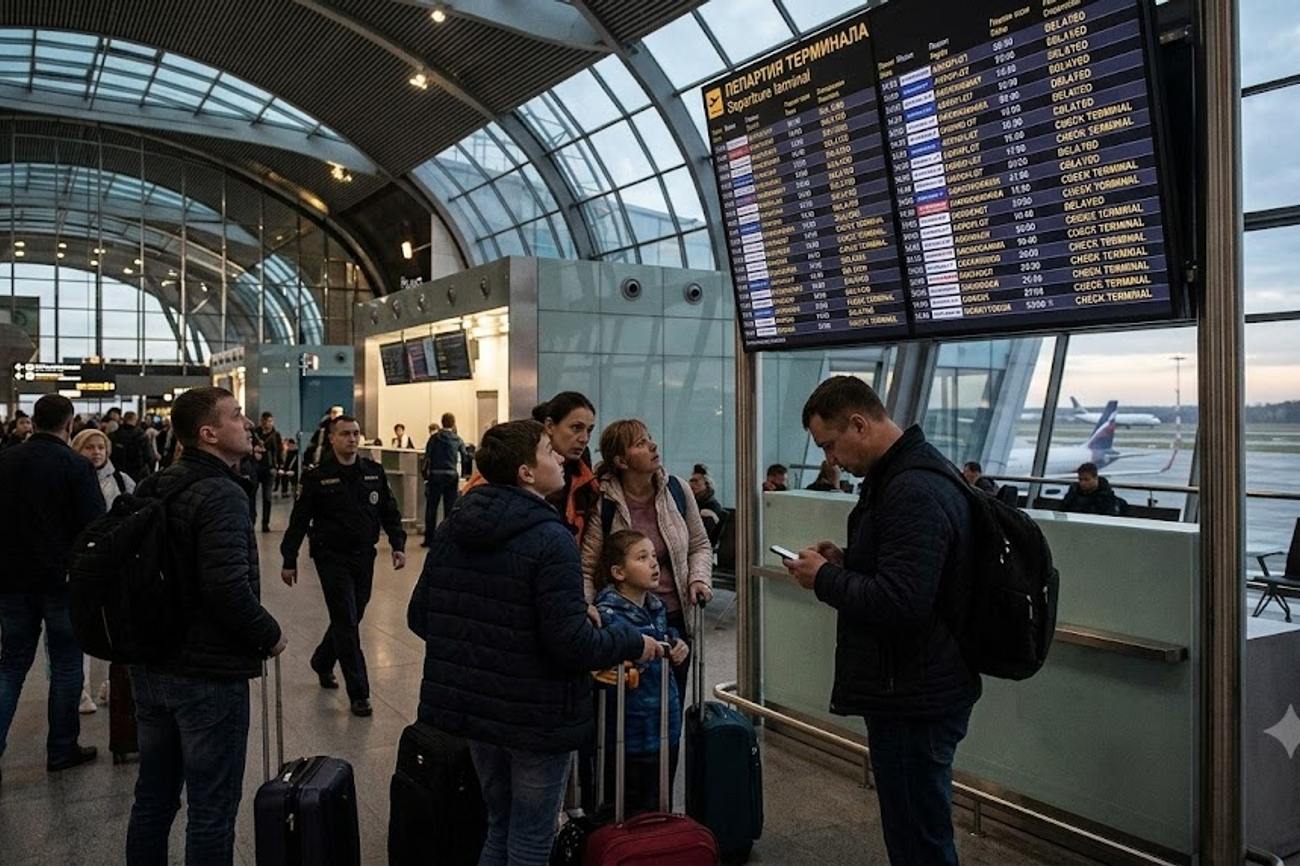
Image generated by AI
The Local Trend Revealed
A critical shift in aviation security is unfolding as military drone operations increasingly intersect with civilian flight paths. On September 4, 2026, Ukrainian authorities notified the ICAO that Russian airspace has become a high-risk zone for commercial aviation. This alert follows a surge in long-range drone activity targeting Russian territory, specifically impacting the hubs serving Moscow.
The volatility was starkly evident on September 2, when drone activity triggered immediate flight restrictions across the capital. Data from Moscow’s major hubs revealed the scale of the instability: Sheremetyevo International Airport saw dozens of cancelled flights and hundreds of delays, while Vnukovo Airport faced similar schedule disruptions and cancellations.
While US and European carriers have largely avoided these routes since 2022, the risk now directly impacts a specific corridor of global travel. Carriers from China, Türkiye, and the UAE—including Emirates, Qatar Airways, and Etihad Airways—continue to navigate this airspace, making real-time safety assessments a necessity rather than a formality.
Cultural & Environmental Value (Information Gain & Experience)
For the traveler, the impact is no longer just about geopolitical tension; it is about operational unpredictability. The ripple effect of these security measures creates a "ghost schedule" where flights are listed but subject to sudden suspension.
A prime example occurred during the night of September 1-2, when Pegasus Airlines cancelled several services between Türkiye and Russia. While the airline later resumed schedules and offered rebookings or refunds, the incident highlights a new reality: aviation safety in this region is now tied to active military telemetry.
From a regional perspective, this situation forces a reliance on "safe-haven" hubs. We are seeing a surge in transit traffic through Middle Eastern and Central Asian nodes as airlines like flydubai closely monitor conditions and adjust routing on the fly to avoid unpredictable airspace closures.
Visitor Insider Tips
For legal nomads and frequent flyers navigating routes that may skirt or enter this region:
- The "Buffer" Window: If your itinerary involves flights through the Middle East or Asia connecting to Eastern Europe, allow a minimum 6-hour layover. Sudden airspace closures in Russia often lead to cascading delays in hubs like Dubai or Istanbul.
- Real-Time Tracking: Rely on live flight-tracking software rather than airline app notifications, as "operational reasons" are often used as a placeholder for airspace security restrictions.
- Documentation: Keep digital copies of your travel insurance specifically covering "civil unrest" or "aviation disruptions," as standard policies may have exclusions for conflict-adjacent zones.
- Alternative Hubs: Consider routing through Baku or Tashkent if you notice a spike in Moscow airport disruptions; these often serve as more stable pivots for regional movement.
Tourism Outlook
The long-term trajectory suggests a permanent bifurcation of global air routes. As Ukraine increases long-range operations near cities like Moscow and St Petersburg, the "risk premium" for airlines using Russian airspace will rise. This will likely lead to higher ticket prices for Asia-Europe routes and a permanent shift toward southern corridors. The ICAO's involvement marks a transition from bilateral disputes to a global safety standard issue, potentially leading to official "no-fly" recommendations for civilian carriers in specific Russian sectors.
Related Travel Guides
Disclaimer
This article is for informational and educational purposes only. It does not constitute legal, financial, or professional advice. While we strive to provide accurate and up-to-date information, travel policies, regulations, and conditions change rapidly. Always verify information with official sources before making travel decisions. Nomad Lawyer makes no representations about the accuracy, reliability, completeness, or suitability of the information provided. Readers should consult qualified professionals for advice specific to their circumstances. The views expressed in this article are those of the author and do not necessarily reflect the views of Nomad Lawyer.
Preeti Gunjan
Contributor & Community Manager
A passionate traveller and community builder. Preeti helps grow the Nomad Lawyer community, fostering engagement and bringing the reader experience to life.
Learn more about our team →