
UN Experts Demand UK End IPP Indefinite Detention Crisis
UN human rights experts urge the UK to implement a comprehensive re-sentencing program for 2,400 prisoners trapped in the abolished IPP sentencing regime.

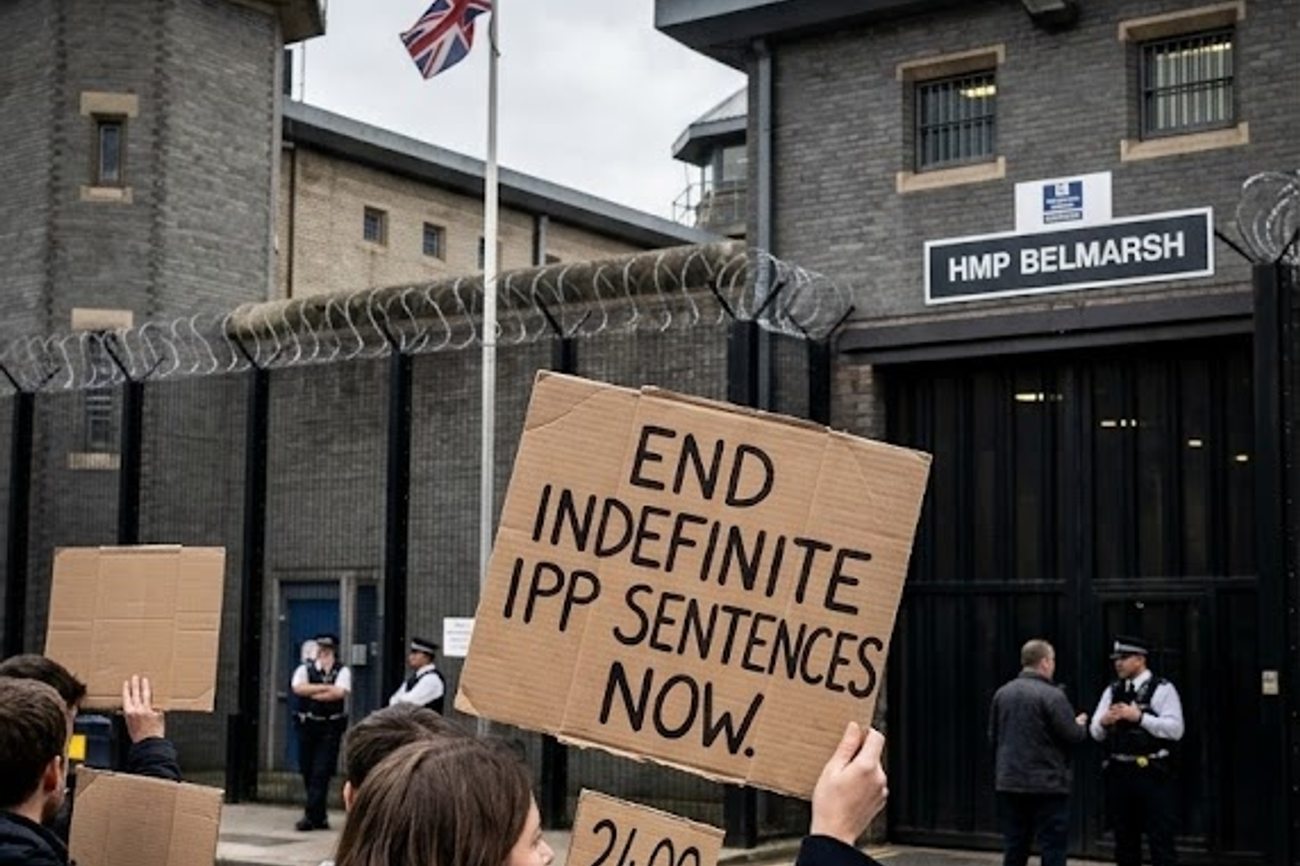
Image generated by AI
UN Experts Urge UK to End IPP Sentencing Crisis
United Nations human rights experts have issued a renewed demand for the United Kingdom to review and re-sentence individuals still held under the Imprisonment for Public Protection (IPP) regime in England and Wales. The intervention highlights a systemic failure where prisoners remain incarcerated long after serving their original court-mandated tariffs.
While Parliament abolished IPP sentences in 2012, the decision was not applied retrospectively. This legal gap has left thousands subject to indefinite detention or a cycle of repeated recalls to prison, creating a justice system that experts argue is inconsistent with human dignity and rehabilitation.
Key Facts Breakdown
- Total Affected: Approximately 2,400 people remain subject to the IPP regime in England and Wales.
- Duration of Detention: Nearly 75% of unreleased IPP prisoners have served more than 10 years beyond their original tariff periods.
- Legal Status: Abolished in 2012, but not retrospectively applied to those already sentenced.
- Release Mechanism: Release is contingent on the Parole Board's satisfaction regarding public risk, rather than a fixed date.
- Psychological Impact: Experts warn that indefinite uncertainty is contributing to depression, anxiety, self-harm, and suicide, in some cases amounting to psychological torture.
Case Study Data: Systemic Failures
| Individual | Original Tariff | Total Time Served | Status/Condition |
|---|---|---|---|
| Joseph Brady | 4 Years | 18 Years | 4x release/recall cycles; severe mental health decline |
| Kerry Parish-McCann | 3 Years | 17 Years | Bipolar disorder and epilepsy; repeated recall trauma |
| Thomas White | 2 Years | 12+ Years | Diagnosed with schizophrenia during custody |
Why This Matters
From a legal and human rights perspective, the IPP crisis represents a breakdown in the principle of proportionality. When a prisoner serves 10 to 15 years beyond a judicial tariff, the sentence ceases to be a punishment for a crime and becomes a preventative detention based on perceived risk.
Our analysis of these cases suggests a "catch-22" loop: prisoners are denied release due to a lack of rehabilitation programs or mental health support, yet the lack of a release date worsens their mental health, making them appear "higher risk" to the Parole Board. For those with neurodivergent conditions or acquired brain injuries, the system effectively creates a permanent prison population without a judicial mechanism to challenge the original sentence.
Industry Outlook
The UK government now faces intensified international pressure to move beyond incremental changes. Market trends in human rights litigation suggest that without a comprehensive re-sentencing exercise, the UK may face further challenges in international courts.
Expect the following developments:
- Pressure for Partial Re-sentencing: A push for an initial phase prioritizing those who have exceeded their tariffs by the longest margins.
- Audit of Rehabilitation Access: Increased scrutiny on whether prison services are providing the specific programs required by the Parole Board for IPP release.
- Legislative Review: Potential for new legislation to finally apply the 2012 abolition retrospectively to the remaining 2,400 prisoners.
Internal Link Suggestions:
- UK Criminal Justice Reform Trends
- International Human Rights Compliance Reports
- Mental Health Standards in Global Prison Systems
Related Travel Guides
Disclaimer
This article is for informational and educational purposes only. It does not constitute legal, financial, or professional advice. While we strive to provide accurate and up-to-date information, travel policies, regulations, and conditions change rapidly. Always verify information with official sources before making travel decisions. Nomad Lawyer makes no representations about the accuracy, reliability, completeness, or suitability of the information provided. Readers should consult qualified professionals for advice specific to their circumstances. The views expressed in this article are those of the author and do not necessarily reflect the views of Nomad Lawyer.
Raushan Kumar
Founder & Lead Developer
Full-stack developer with 11+ years of experience and a passionate traveller. Raushan built Nomad Lawyer from the ground up with a vision to create the best travel and law experience on the web.
Learn more about our team →