
UK Travel Industry Launches Comprehensive Framework to Standardize Accessible Tourism
The UK travel sector introduces a groundbreaking Accessible and Assisted Travel Guide to remove barriers for disabled travelers and drive industry growth.

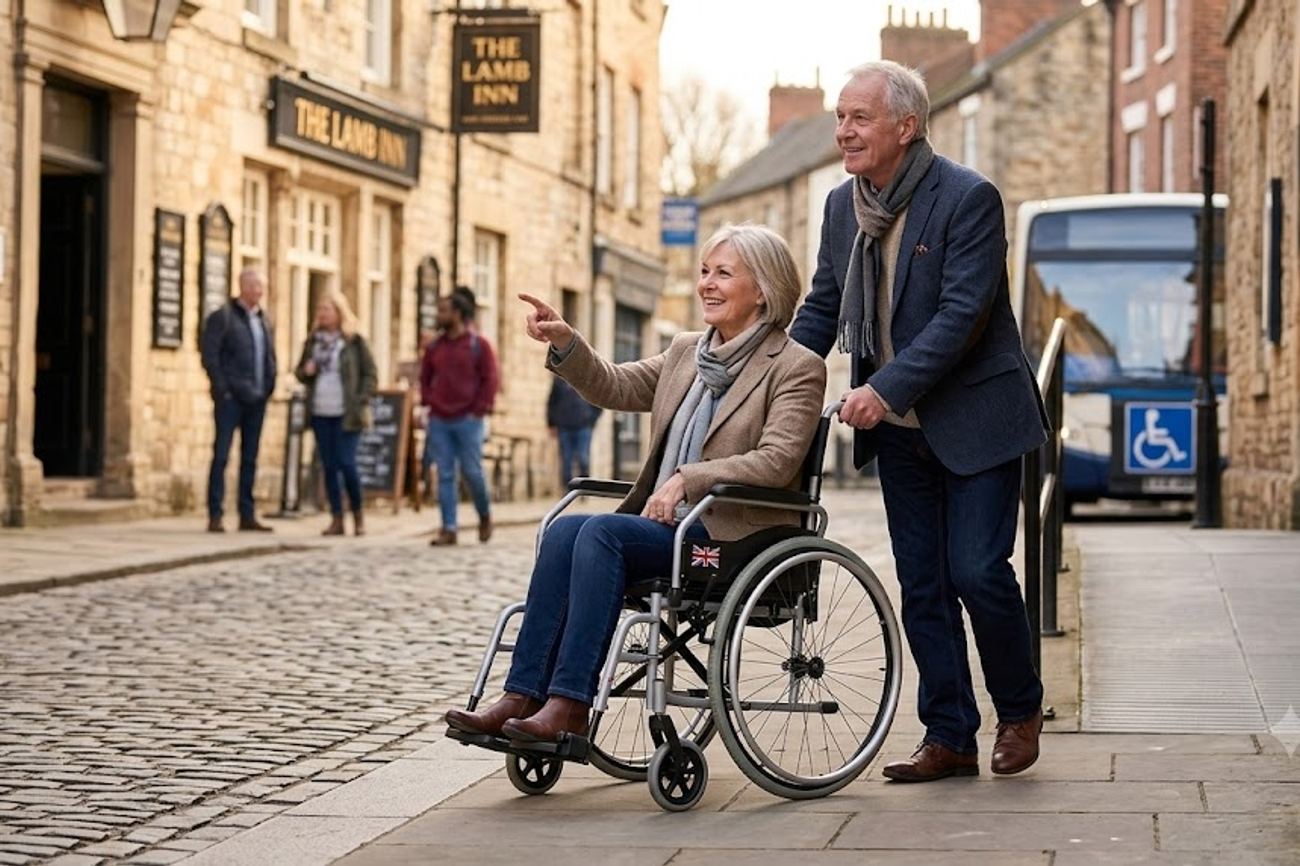
Image generated by AI
London, July 23, 2026 —
The United Kingdom's travel and tourism sector is undergoing a systemic shift toward inclusivity following the release of a comprehensive Accessible and Assisted Travel Guide. Developed to standardize the way travel providers interact with and support disabled customers, the initiative aims to ensure that accessibility is integrated into every phase of the tourist experience—from the initial booking process to the final journey home.
By providing a structured roadmap for member organizations, the guide seeks to transform the travel landscape for millions of individuals with disabilities, while simultaneously opening new revenue streams for businesses that prioritize inclusive design and service.
A Strategic Shift Toward Inclusive Tourism Ecosystems
This latest release marks the second phase of a broader accessibility strategy. It follows the earlier introduction of a dedicated accessibility checklist and specific consumer-facing guidance. The goal is to move beyond fragmented improvements and instead create a cohesive "tourism ecosystem" where accessibility is a default standard rather than an optional add-on.
Industry reports indicate that the framework was developed through extensive collaboration between regulatory bodies, government agencies, destination managers, and private sector partners. The strategy focuses on every single customer touchpoint, ensuring that the transition between different service providers—such as the move from an airport to a hotel or from a cruise ship to a local excursion—is seamless and devoid of accessibility gaps.
Integrating Accessibility into Core Business Operations
The primary objective of the new guidance is to move accessibility from a "standalone requirement" to a core component of customer service. Rather than treating accessibility as a checklist for legal compliance, the framework encourages businesses to embed these considerations into their operational DNA.
A key focus of the guide is the improvement of pre-departure communication. By initiating proactive dialogues with travelers before they leave home, travel providers can identify specific needs and tailor experiences to the individual. This approach is designed to reduce traveler anxiety and increase confidence, which are often significant barriers for those with accessibility requirements.
The framework explicitly broadens the definition of accessibility. It acknowledges that barriers are not only physical—such as a lack of ramps or elevators—but also sensory and cognitive. The guide provides specific strategies for supporting:
- Travelers with non-visible disabilities.
- Neurodivergent individuals who may require quiet spaces in high-stimulation environments.
- Passengers with sensory impairments.
- Individuals requiring mobility assistance.
Distinguishing Between Accessibility and Assisted Travel
A critical component of the new industry standard is the clear distinction between "accessibility" and "assisted travel." While these terms are often used interchangeably, the guide defines them as two distinct but complementary pillars of inclusive tourism.
Accessibility is defined as the proactive removal of barriers. This includes the installation of physical infrastructure, the creation of user-friendly digital interfaces, and the elimination of architectural obstacles that prevent independent movement.
Assisted Travel, conversely, refers to the human-centric support provided to travelers. This encompasses personalized booking assistance, airport mobility services, and dedicated customer care. The framework argues that true inclusivity is only achieved when both pillars are present, allowing travelers to maintain their dignity and independence while receiving necessary support.
Commercial Incentives for Inclusive Travel Practices
Beyond the ethical imperative, the guidance makes a strong business case for inclusive tourism. Industry data suggests that the market for accessible travel is expanding rapidly, driven by an aging global population and an increased societal focus on disability rights.
Businesses that adopt these inclusive practices stand to gain several competitive advantages:
- Increased Customer Loyalty: High-quality accessible services often lead to higher rates of repeat bookings.
- Market Expansion: Tapping into underserved demographics provides a significant growth opportunity.
- Brand Reputation: Positive recommendations within the disabled travel community can drive organic growth.
- Regulatory Compliance: Aligning with the guide helps businesses meet legal obligations regarding accessibility.
The guide provides actionable advice on how to optimize marketing materials and websites to be more inclusive, ensuring that legal information is transparent and the booking process is intuitive for all users.
Future Expansion and Destination Integration
The accessibility program is designed to be iterative. Future phases will expand the scope of the guidance to include suppliers operating directly within destinations. This will involve creating specific standards for:
- Hotel and resort operators.
- Local transport providers.
- Destination Management Companies (DMCs).
Furthermore, upcoming updates will integrate health and safety protocols, ensuring that accessibility is factored into broader operational risk management and emergency evacuation procedures.
Susan Deer, Director of Industry Relations at ABTA, noted that accessibility is both an ethical duty and a commercial opportunity, emphasizing that clear information and practical guidance are the keys to delivering excellent service. Steve Wilson, Accessibility & Assisted Travel Manager at Jet2.com and Jet2holidays, who contributed to the guide's development, stated that the focus must remain on the lived experiences of disabled travelers to ensure they can travel with dignity and confidence.
Why This Matters: The Real-World Impact on Travel
For the average traveler with a disability, this shift represents a move away from "hope-based travel"—where one hopes a hotel room is actually accessible or that a transport link works—toward "guaranteed travel." When industry leaders standardize these guides, it reduces the cognitive load on the traveler, who no longer has to spend dozens of hours auditing every single leg of their trip.
From a logistical standpoint, the emphasis on "pre-departure conversations" is a game-changer. It shifts the burden of accessibility from the traveler (who usually has to fight for accommodations) to the provider (who must now proactively offer them). This creates a professionalized standard of care that treats accessibility as a premium service rather than a burdensome request.
Related Travel Guides
Disclaimer
This article is for informational and educational purposes only. It does not constitute legal, financial, or professional advice. While we strive to provide accurate and up-to-date information, travel policies, regulations, and conditions change rapidly. Always verify information with official sources before making travel decisions. Nomad Lawyer makes no representations about the accuracy, reliability, completeness, or suitability of the information provided. Readers should consult qualified professionals for advice specific to their circumstances. The views expressed in this article are those of the author and do not necessarily reflect the views of Nomad Lawyer.
Preeti Gunjan
Contributor & Community Manager
A passionate traveller and community builder. Preeti helps grow the Nomad Lawyer community, fostering engagement and bringing the reader experience to life.
Learn more about our team →