
Boston Named America's Most Welcoming City in Global Tourism Report
A new global tourism report analyzing 200 cities ranks Boston as the most welcoming city in the US, with Singapore leading globally based on safety and traveler support.

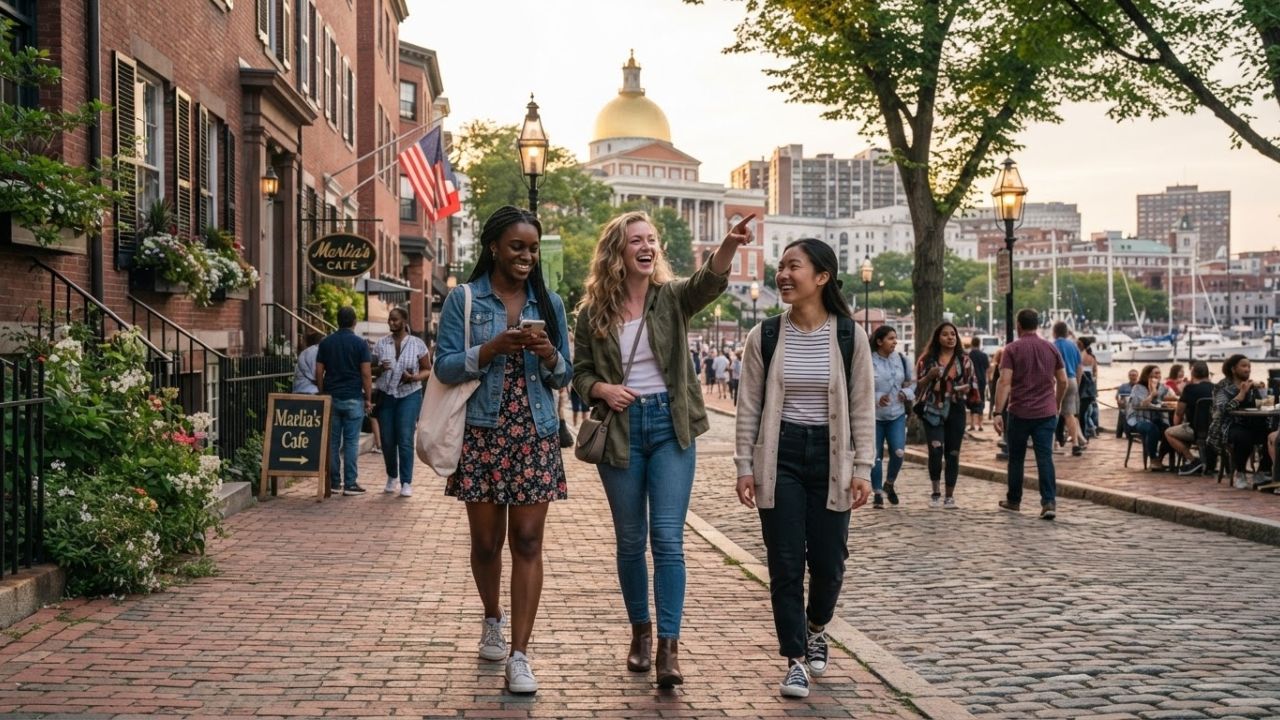
Image generated by AI
A new global tourism report analyzing 200 cities has ranked Boston as the most welcoming destination in the United States, scoring a safety rating of 60.3 on a 100-point scale. Internationally, Singapore claimed the top spot globally with a safety score of 77.7, demonstrating that traveler-focused infrastructure and public support services are the new key drivers in destination competitiveness.
The Methodology: Evaluating Global Urban Hospitality
The international tourism market is experiencing a transition as cities compete to rebuild their visitor economies. A new research report has analyzed 200 cities globally, including major tourism centers and large metropolitan areas. The study evaluated cities on a 100-point scale across multiple categories, measuring key indicators such as local safety, visitor assistance programs, emergency support, and traveler perceptions of friendliness.
The index also weighs secondary factors, including pedestrian safety, the accessibility of wheelchair ramps on sidewalks, and the availability of multi-lingual signage in transit stations. These granular indicators help paint a detailed picture of how well a city accommodates travelers from different cultural and physical backgrounds. By analyzing these diverse components, the report provides cities with a roadmap for upgrading their infrastructure to meet modern hospitality standards.
The findings highlight a shift in traveler priorities. While traditional tourism campaigns focused almost exclusively on marketing famous landmarks, modern travelers are increasingly basing their booking decisions on safety and public infrastructure. Cities that invest in visible support networks, clear information centers, and accessible transit systems are gaining a competitive advantage in attracting international and domestic visitors.
Boston Claims the Top Spot for Welcoming Travelers in the United States
Boston, Massachusetts, has emerged as the leading welcoming city in the United States, according to the report's findings. The historic city achieved high rankings because of its combination of visitor safety and organized public assistance.
Boston recorded a safety score of 60.3, placing it above the national and global averages for the cities analyzed. Safety remains a primary concern for travelers, particularly families and solo tourists, and Boston's score helped secure its leading position. The city's historic Freedom Trail is a key example of visitor-focused design, featuring a physical red line painted on the sidewalks to guide tourists through historic landmarks without needing a map. This simple, low-tech wayfinding solution reduces traveler confusion and encourages walking tours. By connecting major cultural sites with clear walking paths, the city helps visitors feel comfortable exploring the urban core at their own pace.
Beyond security, the city offers a strong network of tourism support services, including visitor centers and digital information points in historic neighborhoods, which help travelers navigate the city. The city's reputation has also been reflected in online search trends, with terms such as "friendly" and "welcoming" showing significant growth in relation to Boston, indicating a strong reputation among potential travelers.
Reaching the Top Five: New York, San Diego, Los Angeles, and Denver
Following Boston, several other major United States cities were recognized in the top five for their visitor services and local hospitality:
- New York City: Benefited from its global reputation, massive tourism infrastructure, and wide range of visitor services that help manage millions of annual arrivals.
- San Diego: Secured its position based on its relaxed coastal environment, accessible beaches, and family-focused outdoor recreation.
- Los Angeles: Ranked highly due to its international appeal, entertainment industry, and extensive transit network connecting diverse cultural neighborhoods.
- Denver: Completed the top five, gaining popularity among travelers seeking outdoor adventure, urban recreation, and access to nearby mountain parks.
These cities show that different regional factors, from coastal relaxation to mountain access, shape how travelers perceive a destination's hospitality.
Singapore Dominates the Global Ranking with Safety and Support
At the international level, Singapore was named the most welcoming city worldwide. The Southeast Asian city-state achieved its leading position through exceptional safety standards, municipal efficiency, and traveler-friendly policies.
Singapore received a safety score of 77.7, one of the highest ratings in the global report. This secure environment, combined with clean streets and efficient public transit systems, allows visitors to explore the city with confidence. Singapore's simplified visa processes and digital border systems also reduce travel friction, making it an attractive destination for global travelers. By coordinating safety, accessibility, and modern infrastructure, Singapore continues to lead the global hospitality market.
Global Competitors: London, Sydney, The Hague, and Hong Kong
The global top five was completed by several other major destinations that have built strong international reputations:
- London: The British capital continues to attract millions of visitors with its historic landmarks, free museums, and extensive public transport network.
- Sydney: The Australian city ranked highly due to its coastal attractions, visitor-friendly amenities, and outdoor lifestyle.
- The Hague: The Dutch city was recognized for its welcoming atmosphere, international institutions, and accessible coastal locations.
- Hong Kong: Completed the top five, serving as a primary Asian transit hub by blending modern city experiences, traditional culture, and international connectivity.
These global destinations demonstrate that long-term tourism growth requires a balance of cultural appeal and structural organization.
Visitor Guide: Urban Transit Apps, Safety Checklists, and Local Etiquette
Exploring welcoming cities comfortably involves utilizing digital navigation tools, understanding local rules, and tasting regional culinary specialties. By preparing in advance, travelers can enjoy a smooth journey.
Sample local culinary specialties in the top-ranked cities. In Boston, try traditional New England clam chowder, a creamy soup made with fresh clams, potatoes, and salt pork, or enjoy a fresh Maine lobster roll. In Singapore, order Hainanese chicken rice, a national specialty featuring poached chicken served with fragrant rice cooked in chicken broth, ginger, and garlic, or try spicy chili crab served with fried mantou buns.
Utilize digital transit applications to navigate public transport networks. In Boston, download the MBTA Go app or the Transit app to access real-time schedules and arrival times for the subway and bus networks. In Singapore, use the SG MRT app to map train routes and check fare prices, and utilize Citymapper when exploring London to find the fastest pedestrian and transit paths.
Observe local regulations to avoid fines, especially when traveling internationally. In Singapore, obey environmental laws strictly, as littering, spitting, and importing chewing gum carry heavy financial penalties. In US cities, monitor parking signs closely near historic areas to avoid towing, and avoid driving in restricted traffic zones in historic European centers.
Keep a traveler safety checklist. Save digital backups of your passport, visa, and insurance policy on a secure cloud storage drive. Keep emergency numbers saved on your phone, such as 999 for police in Singapore or 911 in the United States. Support local neighborhood economies by dining in family-owned restaurants located outside the primary tourist corridors, helping to distribute the economic benefits of tourism.
Future Outlook: Rebuilding Resilient Urban Tourism
The long-term development of urban tourism depends on coordinating safety initiatives with infrastructure investments. As international traveler numbers continue to rise, municipal planning boards are focusing on projects that improve accessibility and resident welfare.
Sustainable initiatives include retrofitting public transport for zero emissions, upgrading pedestrian walkways, and expanding digital visitor networks. By utilizing tourism tax revenues to fund public spaces, cities like Boston and Singapore ensure that their urban environments remain welcoming for both residents and visitors. This management approach secures a stable economic future, ensuring that these destinations remain safe and attractive choices for future generations of global travelers.
Related Travel Guides
Disclaimer
This article is for informational and educational purposes only. It does not constitute legal, financial, or professional advice. While we strive to provide accurate and up-to-date information, travel policies, regulations, and conditions change rapidly. Always verify information with official sources before making travel decisions. Nomad Lawyer makes no representations about the accuracy, reliability, completeness, or suitability of the information provided. Readers should consult qualified professionals for advice specific to their circumstances. The views expressed in this article are those of the author and do not necessarily reflect the views of Nomad Lawyer.
Preeti Gunjan
Contributor & Community Manager
A passionate traveller and community builder. Preeti helps grow the Nomad Lawyer community, fostering engagement and bringing the reader experience to life.
Learn more about our team →