
Uganda Builds a Brighter China Travel Bridge Through Nature Adventure and Easy Payments
Uganda Builds a Brighter China Travel Bridge Through Nature Adventure and Easy Payments

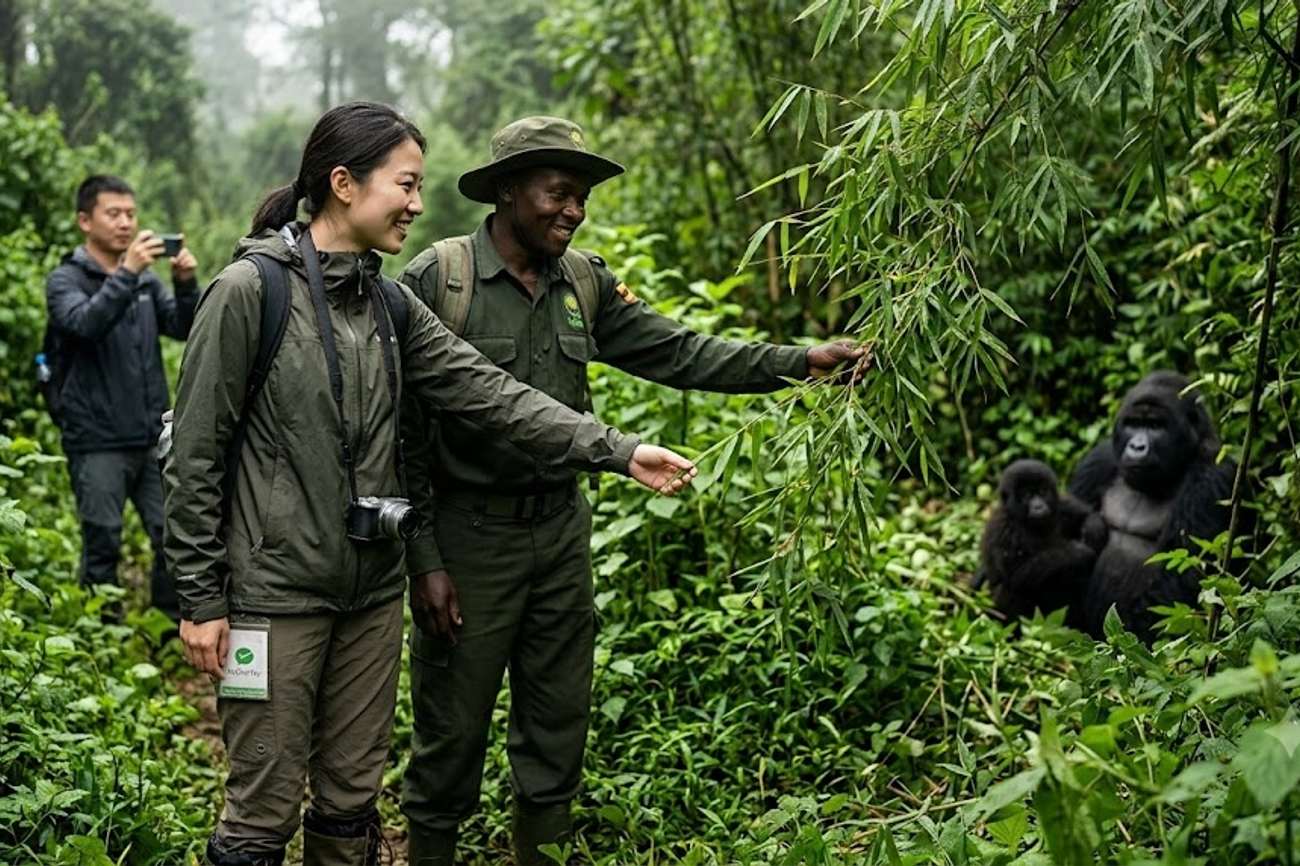
Image generated by AI
Uganda is currently restructuring its entire approach to the Chinese market, moving beyond the "wildlife expert" niche to position itself as a safe, digitally integrated destination for families and first-time Africa visitors. While the world knows the country for its primates, the real shift is happening in the infrastructure; the integration of Alipay and UnionPay into the local economy is designed to remove the friction of traditional cash-heavy safari travel, making the "Pearl of Africa" accessible to a generation of travelers who rarely carry physical wallets.
The Digital Bridge to East Africa
For years, the barrier to entry for many Asian travelers visiting Uganda was not a lack of interest in nature, but a lack of logistical comfort. The current strategy being deployed by the Embassy of the Republic of Uganda in Beijing is a calculated move to modernize the visitor experience. By prioritizing the adoption of digital payment systems like Alipay and UnionPay, Uganda is acknowledging that the modern luxury traveler values seamless transactions as much as they value a rare wildlife sighting.
This shift is coinciding with a strategic push to diversify the visitor profile. While the country has historically been the domain of hardcore adventurers and primatologists, there is a concerted effort to attract students, business delegations, and multi-generational families. The goal is to move away from the "expedition" narrative and toward a "meaningful holiday" narrative. This involves creating curated, organized routes that minimize perceived risk while maximizing cultural immersion.
The most significant catalyst for this growth, however, is the anticipated expansion of air connectivity. Currently, a journey from China to Uganda typically involves one-stop routes with a total travel time of approximately 18 hours. The Ugandan government has indicated that flight developments are expected in 2027, which would drastically reduce the friction of reaching Entebbe International Airport and make the country a more viable option for shorter, high-end group tours.
What Makes Uganda Different
Uganda does not offer a standard safari; it offers an intimate, forest-based encounter that is fundamentally different from the open-savanna experiences found in neighboring countries. The centerpiece is the mountain gorilla trekking experience. Unlike a zoo or a managed park, this is a rigorous trek through dense rainforests, led by professional guides, to observe gorillas in their actual wild habitat. It is an exercise in patience and physical endurance that rewards the traveler with a profound sense of connection to the natural world.
Beyond the gorillas, the chimpanzee tracking experiences provide a different kind of intellectual stimulation. These primates are among our closest relatives, and observing their social hierarchies and communication in the wild is an educational experience that appeals particularly to students and families.
However, the true uniqueness of Uganda lies in its geographic variety. The "Pearl of Africa" moniker refers to the convergence of diverse ecosystems—from the wide, sweeping rivers and lush forests to the volcanic highlands. This allows for "hybrid itineraries" where a traveler can spend three days in the humid rainforests of the Bwindi Impenetrable National Park (a UNESCO World Heritage site) and the next four days exploring the savannahs or engaging with local community-led conservation projects.
Visitor Insider Tips
To experience Uganda beyond the brochure, you need to understand the rhythm of the country. Most visitors make the mistake of rushing from one primate encounter to the next, missing the cultural heartbeat of the region.
Timing and Logistics To avoid the heaviest crowds and the muddiest trails, plan your visit during the dry seasons (June to August or December to February). If you are trekking for gorillas, book your permits months in advance through the Uganda Wildlife Authority, as daily quotas are strictly enforced to protect the animals.
Local Etiquette and Interaction Ugandans are famously hospitable, but modesty is key. When visiting rural communities or villages, dress conservatively. A simple greeting in Luganda, such as "Oli otya" (How are you?), opens doors and transforms a transactional tourist interaction into a genuine human connection.
Dining and Regional Specialties Move beyond the hotel buffet. Try Matooke (steamed green bananas), which is the staple of the region, and Rolex—a popular street food consisting of an omelet rolled inside a chapati. The Rolex is the ultimate local fuel for a long day of travel and is found at almost every roadside stall.
Transport Hacks While 4x4 rentals are the gold standard for safaris, using a reputable local tour operator is highly recommended for first-timers. The roads can be challenging, and local drivers possess an intuitive knowledge of the terrain and animal movements that GPS cannot replicate.
Cultural and Environmental Context
The tension in Uganda's tourism model lies in the balance between economic growth and ecological preservation. The mountain gorilla is a flagship species, and the revenue generated from trekking permits is a primary driver for conservation. When a traveler pays for a permit, a significant portion of that funding goes directly into protecting the habitat from poaching and illegal logging.
However, the influx of international tourism brings challenges. There is a constant struggle to ensure that the "warm welcome" provided by local communities is not exploited. The current trend is moving toward community-based tourism, where locals are not just guides but stakeholders in the lodges and experiences. This ensures that the financial benefits of tourism reach the village level, reducing the incentive for locals to engage in activities that harm the environment.
Furthermore, as Uganda opens its doors wider to the Chinese market, there is a growing emphasis on "meaningful travel." This is a push against "checklist tourism"—where visitors simply take a photo of a gorilla and leave. Instead, the government and local operators are encouraging longer stays that include educational components about primate behavior and the socio-economic challenges of the region.
FAQ: Visiting Uganda 2027
What is the best time to visit? The dry seasons from June to August and December to February offer the best weather for trekking and wildlife viewing, as trails are more accessible and animals are easier to spot.
Do I need a visa? Most visitors require a visa. It is highly recommended to apply for the e-visa through the official government portal before arrival to avoid delays at Entebbe International Airport.
How do I get there from China? Currently, travelers use one-stop routes, typically taking around 18 hours. Improved flight connectivity is expected in 2027, which may introduce more direct or efficient options.
Is it safe for solo travelers? Yes, provided you stick to organized routes. Using licensed guides, reputable hotels, and established transport services is the standard and safest way to navigate the country.
Uganda is no longer just a destination for the intrepid; it is a masterclass in how digital convenience can unlock the world's most raw and ancient wilderness.
#UgandaTravel2027 #BwindiImpenetrableForest #GorillaTrekkingUganda #VisitUganda #EastAfricaTourism
Related Travel Guides
- Singapore Passenger Terminal Expo Asia 2026 Puts AI, Smart Airports and Passenger Experience in the Global Spotlight
- United Kingdom Joins Canada and More Countries Participating at SAF Global Summit 2026 Bringing Global Aviation Leaders
- Hungary Unites Belgium and More Nations as IATA Cargo Experts Conference 2026 Brings 350+ Air Cargo Specialists to Budapest
Disclaimer
This article is for informational and educational purposes only. It does not constitute legal, financial, or professional advice. While we strive to provide accurate and up-to-date information, travel policies, regulations, and conditions change rapidly. Always verify information with official sources before making travel decisions. Nomad Lawyer makes no representations about the accuracy, reliability, completeness, or suitability of the information provided. Readers should consult qualified professionals for advice specific to their circumstances. The views expressed in this article are those of the author and do not necessarily reflect the views of Nomad Lawyer.
Preeti Gunjan
Contributor & Community Manager
A passionate traveller and community builder. Preeti helps grow the Nomad Lawyer community, fostering engagement and bringing the reader experience to life.
Learn more about our team →