
UAE and Saudi Arabia Stand Alongside Gulf Powerhouses as Abu Dhabi Expands the Gulf Tourism Race
UAE and Saudi Arabia Stand Alongside Gulf Powerhouses as Abu Dhabi Expands the Gulf Tourism Race

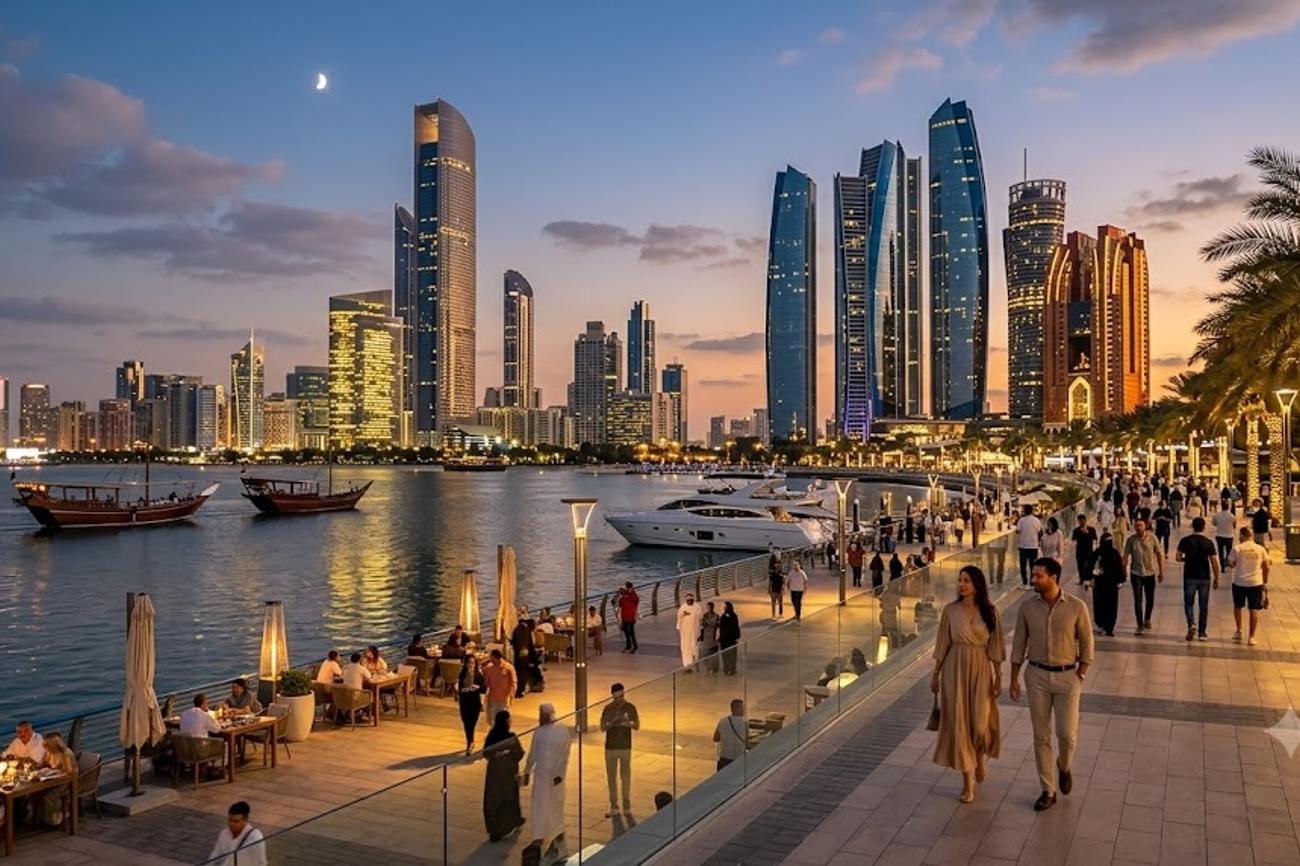
Image generated by AI
[Dubai, January 2026] — The Gulf tourism sector has transitioned into a sophisticated era of specialization, with Dubai recording a record 19.59 million international overnight visitors in 2025. This surge is part of a broader regional shift where major hubs are abandoning direct competition in favor of distinct "tourism ecosystems" designed to attract different types of high-value travelers.
The current landscape sees five primary destinations—Dubai, Abu Dhabi, Doha, Riyadh, and Muscat—deploying divergent strategies across aviation, luxury hospitality, and cultural investment. While Saudi Arabia reported a massive 123 million inbound and domestic tourists and Oman welcomed approximately 3.9 million visitors by the end of 2025, the region is no longer fighting for the same generic holidaymaker. Instead, they are leveraging specific strengths: Dubai focuses on global scale and aviation, Abu Dhabi on high-culture and luxury, Doha on events and MICE (Meetings, Incentives, Conferences, and Exhibitions), Riyadh on national diversification, and Muscat on nature and heritage.
The Catalyst for Regional Diversification
The shift is driven by massive government capital injections into infrastructure that move beyond simple hotel construction. The immediate cause is a strategic pivot toward "monetizing demand"—increasing the length of stay and per-person spending rather than simply chasing higher arrival numbers.
In Dubai, this is evidenced by a move toward higher-yield tourism. Despite already hitting record numbers, the emirate saw its average daily rate (ADR) climb to AED579, with revenue per available room (RevPAR) hitting AED467. This indicates a transition from volume-based growth to value-based growth.
Simultaneously, Abu Dhabi has positioned itself as a cultural counterweight. The opening of five museums in 2025, including the Zayed National Museum, transforms the Saadiyat Cultural District from a collection of buildings into a primary driver for international visitation. This is a deliberate attempt to attract the "cultural tourist" who differs from the "shopping tourist" typically associated with Dubai.
Market Impact and Visitor Metrics
The impact of these divergent strategies is visible in the 2025 data, though the metrics vary by destination.
| Destination | 2025 Key Indicator | Accommodation Status | Strategic Focus |
|---|---|---|---|
| Dubai | 19.59m International Visitors | 154,264 rooms (80.7% occ.) | Aviation, Global Leisure, Luxury |
| Abu Dhabi | 5.9m Hotel Guests | 81% Occupancy | Culture, Luxury, Events |
| Doha | 5.1m International Visitors | 42,500 rooms (71.3% occ.) | MICE, Sport, Culture |
| Saudi Arabia | 123m Inbound/Domestic | National Market Expansion | Diversification, Business |
| Oman | ~3.9m Total Visitors | Long-term Expansion | Nature, Adventure, Heritage |
The aviation sector remains the primary engine for this growth. Dubai International (DXB) set a global benchmark in 2025, handling 95.2 million passengers—the highest annual international passenger volume ever recorded by a single airport. DXB now connects to 291 destinations across 110 countries via 108 carriers, with India remaining the top source market at 11.9 million passengers.
Abu Dhabi is mirroring this growth through [Zayed International Airport](https://www.abu Dhabiairports.ae), which saw 32.5 million passengers in 2025, a 12.6% annual increase. The airport expanded its reach with 39 new route launches and seven new airlines, targeting both destination-specific traffic and transit passengers.
Practical Traveler Advisory and Strategic Insights
For the modern traveler, the "one-stop-shop" approach to the Gulf is over. The region now offers five distinct experiences, meaning booking patterns must change to match the specific destination's strength.
For the Luxury and Shopping Traveler: Dubai remains the primary hub. With 827 hotel establishments and a massive aviation network, it offers the highest density of options. However, travelers should expect higher costs, as the city is actively pushing its average daily rates upward to prioritize high-spending visitors.
For the Arts and Culture Enthusiast: Abu Dhabi is now the priority. The concentration of world-class museums in the Saadiyat district means visitors can find a more curated, intellectual experience compared to the commercial scale of Dubai. Hotel occupancy here is high (81%), suggesting that luxury bookings should be made well in advance.
For the Business and Event Attendee: Doha has optimized its infrastructure for MICE and sporting events. With 42,500 hotel rooms and a 71.3% occupancy rate, the city is designed to scale rapidly for major international summits. Travelers should note that Doha is more accessible via land (32%) and sea (7%) than other Gulf hubs, providing more flexible entry options.
For the Adventure and Nature Seeker: Oman is the destination of choice. By focusing on lower-density, premium tourism and heritage, Muscat and the surrounding regions avoid the "skyscraper" feel of the UAE and Qatar, offering a slower pace focused on nature and adventure.
The Next Phase of Aviation Expansion
The battle for connectivity is entering a multi-billion dollar phase. Dubai is currently preparing a US$35 billion expansion of Al Maktoum International Airport. The goal is an annual capacity of 150 million passengers within the next decade, eventually scaling to 260 million. This move suggests that Dubai intends to maintain its status as the world's primary transit node regardless of how other Gulf cities grow.
Qatar is focusing on converting "event-led" visibility into year-round demand. While international visitors rose 3.7% to 5.1 million in 2025, the challenge for Doha is maintaining these numbers between major global tournaments or summits. The increase in room nights sold (8.6% to 10.84 million) suggests that visitors are staying longer, which is a key KPI for the Qatar Tourism authority.
Saudi Arabia continues to operate on a different scale entirely, blending domestic movement with inbound tourism to hit 123 million visitors. Their focus remains on the "Giga-projects" and national diversification, aiming to turn the kingdom into a global entertainment and business powerhouse.
FAQ: Gulf Travel 2026
Which Gulf city is best for a short luxury getaway? Dubai remains the leader for density and variety, with the most hotel rooms (154,264) and flight connections. However, Abu Dhabi is the superior choice for those seeking high-end cultural experiences and museums.
How has aviation connectivity changed in the region? Connectivity has exploded. Dubai International handled 95.2 million passengers in 2025, while Zayed International in Abu Dhabi grew by 12.6%. There are now more direct routes to Europe and Asia than ever before.
Are hotel prices rising in the Gulf? Yes. Dubai is specifically focusing on "monetizing demand," leading to an average daily rate of AED579. Abu Dhabi also saw a 19.5% increase in hotel revenue, totaling AED9.1 billion.
Is it easy to travel between these destinations? Yes. While air travel is dominant, Doha provides a strong example of diversified access, with 32% of its 2025 visitors arriving by land and 7% by sea.
The Gulf is no longer a single destination, but a collection of specialized global hubs.
Related Travel Guides
Disclaimer
This article is for informational and educational purposes only. It does not constitute legal, financial, or professional advice. While we strive to provide accurate and up-to-date information, travel policies, regulations, and conditions change rapidly. Always verify information with official sources before making travel decisions. Nomad Lawyer makes no representations about the accuracy, reliability, completeness, or suitability of the information provided. Readers should consult qualified professionals for advice specific to their circumstances. The views expressed in this article are those of the author and do not necessarily reflect the views of Nomad Lawyer.
Kunal K Choudhary
Co-Founder & Contributor
A passionate traveller and tech enthusiast. Kunal contributes to the vision and growth of Nomad Lawyer, bringing fresh perspectives and driving the community forward.
Learn more about our team →