
Mexico’s Yucatán Wellness Tourism Rise Creates New Opportunities for Local Businesses and Travel Experiences
Mexico’s Yucatán Wellness Tourism Rise Creates New Opportunities for Local Businesses and Travel Experiences

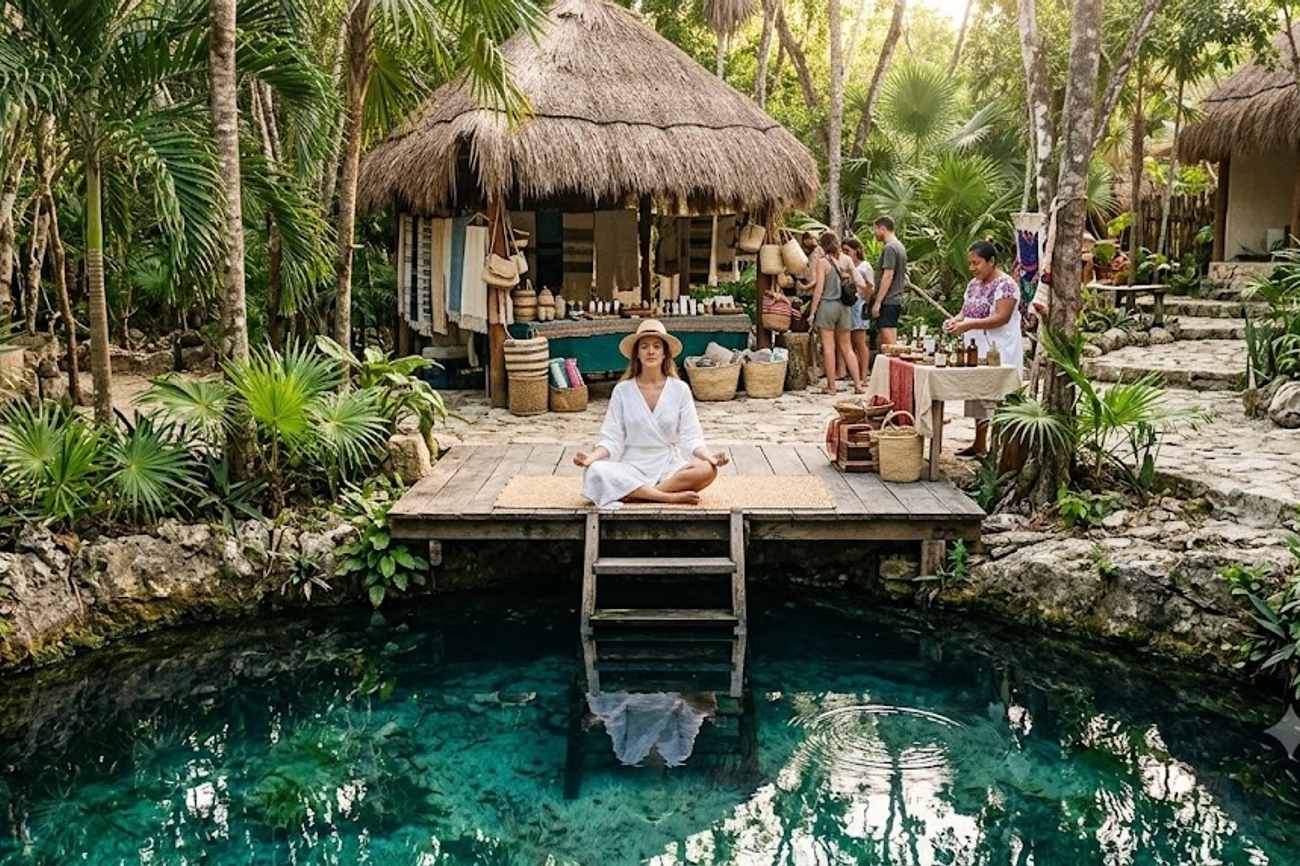
Image generated by AI
Global wellness tourism expenditure is projected to reach $1.1 trillion by 2025, a significant leap from the $4.5 trillion total tourism market share held in previous cycles. In the Yucatán peninsula, this macro-trend is manifesting as a strategic pivot from mass-market sightseeing toward high-yield, specialized health retreats. The region is no longer competing solely on beach access or archaeological site visits; it is repositioning itself as a hub for "holistic renewal," leveraging Mayan heritage to capture a segment of the market that prioritizes mental health and sustainable longevity over traditional leisure.
The Wellness Pivot in Yucatán Numbers
The structural shift in Yucatán's tourism strategy is anchored by specific institutional milestones and timeline-driven goals. The region recently hosted the Summit Wellness 360° Mérida 2026 from September 17 to 19, an event designed to transition the local economy from fragmented service offerings to a coordinated industry cluster. This summit served as the catalyst for the creation of the Mesa de Turismo Wellness, a dedicated Wellness Tourism Board tasked with governing the quality and standardization of health-focused experiences.
Data from the summit indicates a move toward "slow travel" metrics, where the goal is to increase the average length of stay per visitor. By integrating medical wellness, nature-based retreats, and cultural immersion, the state is targeting high-net-worth international travelers, particularly those arriving in Progreso. The strategic objective is to move away from the high-volume, low-margin model of traditional tourism and toward a model where the value is derived from specialized, high-cost wellness packages.
The regional roadmap is now fixed on a 2027 industry cluster deadline. This roadmap will dictate the expansion of wellness-related businesses, ensuring that the growth of hospitality providers and local entrepreneurs aligns with environmental sustainability goals. By anchoring these developments in Mayan heritage and natural reserves, the region is attempting to avoid the "over-tourism" traps seen in other Caribbean destinations, focusing instead on a controlled, high-value growth trajectory.
Comparative Context: Regional Wellness Evolution
When comparing Yucatán's current trajectory to historical regional benchmarks, we see a clear shift in the "Product Mix." Historically, the Mexican Caribbean (Quintana Roo) has dominated the region through all-inclusive resort models. Yucatán, however, is carving out a distinct market share by focusing on "cultural wellness"—a niche that blends ancient indigenous practices with modern health science.
According to data trends observed by the World Tourism Organization (UNWTO), there is a global rise in "transformative travel," where the traveler seeks a permanent change in their state of being. Yucatán is positioning itself to capture this shift more aggressively than its neighbors by formalizing its wellness infrastructure.
The following table illustrates the shift in the regional tourism model from the traditional "Sun and Sand" approach to the emerging "Holistic Wellness" framework:
| Metric | Traditional Tourism Model (Pre-2020) | Emerging Wellness Model (2026-2027) |
|---|---|---|
| Primary Driver | Sightseeing & Beach Leisure | Mental Health & Physical Renewal |
| Visitor Profile | Mass Market / Short-stay | Specialized / Extended-stay |
| Economic Focus | Volume-based (Passenger counts) | Value-based (Spend per visitor) |
| Key Infrastructure | Large-scale Hotels & Resorts | Boutique Retreats & Health Clusters |
| Cultural Integration | Passive (Touring ruins) | Active (Mayan healing practices) |
| Governance | General Tourism Boards | Specialized Wellness Tourism Board |
This evolution mirrors a wider trend seen in the Global Wellness Institute's reports, where wellness travelers spend significantly more per trip than the average international tourist. By establishing the Mesa de Turismo Wellness, Yucatán is moving from an accidental wellness destination to a managed wellness economy.
Practical Traveler Advisory and Strategic Insights
The institutionalization of wellness tourism in Yucatán will fundamentally change the booking experience and the availability of services. For the individual traveler, the "Havens of Peace" initiative means a proliferation of bilingual, high-end retreat options that are integrated into the local ecosystem rather than isolated in resorts.
If you are planning a trip to Yucatán in 2026 or 2027, the following data-driven advice applies:
- Shift Booking Windows: As the region moves toward "extended stay" models for health retreats, boutique wellness properties will likely see higher occupancy rates during peak wellness seasons (typically Q1 and Q4). Booking 12-16 weeks in advance will be necessary for specialized retreats, as these often have limited capacity compared to large hotels.
- Target Progreso for Entry: With the state specifically targeting seasonal international travelers arriving in Progreso, this port will become a primary gateway for wellness-centric itineraries. Travelers should look for packages that bundle Progreso arrivals with inland Mayan retreats.
- Expect Premium Pricing: The transition to a "value-based" economic model means that authentic, certified wellness experiences will command a premium. Travelers should differentiate between "wellness-themed" hotels and those certified by the upcoming 2027 industry cluster roadmap.
- Diversify Itineraries: The integration of medical wellness and nature-based activities allows for a hybrid itinerary. Travelers can now combine traditional archaeological visits with structured health programs, reducing the need to travel to multiple destinations for a comprehensive "health holiday."
Forward Projection: The 2027 Wellness Cluster
Based on the current trajectory and the establishment of the 2027 industry cluster roadmap, Yucatán is on track to become the primary wellness competitor to Costa Rica in the Americas. The move to create a formal "Mesa de Turismo Wellness" suggests that the state is preparing for a surge in foreign direct investment (FDI) specifically targeted at health infrastructure.
We can expect to see a rise in "Medical Wellness" hubs—facilities that combine clinical health screenings with holistic Mayan therapies. This hybrid approach is a growing trend in IATA's analysis of high-yield travel segments. As the 2027 roadmap is implemented, the economic benefits will likely migrate from the coastal hubs into the interior of the state, creating new "wellness villages" centered around cenotes and ancient forest reserves.
The long-term success of this trend depends on the region's ability to maintain the "peaceful" element of its brand. If the growth is too rapid, the very "Havens of Peace" they are promoting may be compromised. However, the current focus on "sustainable tourism growth" and "local participation" indicates a strategic intent to scale slowly and intentionally.
FAQ: Yucatán Wellness Tourism 2026-2027
Will wellness retreat prices increase as the sector formalizes? Yes. The shift from a fragmented market to a structured "Industry Cluster" by 2027 typically leads to higher price points due to standardized quality certifications and the targeting of high-net-worth international segments.
Is now a good time to book a wellness trip to Yucatán? Yes, but be specific. While the full 2027 roadmap is still in development, the current "Havens of Peace" offerings provide a window to experience the region before the expected surge in specialized infrastructure and pricing.
Which areas are best for wellness-focused travel? Mérida is the administrative and summit hub, but the interior regions featuring Mayan heritage sites and the coastal area of Progreso are the primary targets for the new health and relaxation retreats.
How does this differ from a standard vacation in Mexico? Traditional vacations focus on consumption and sightseeing. The Yucatán wellness trend focuses on "transformative travel," emphasizing extended stays, mental health, and active participation in Mayan cultural healing traditions.
The transition from mass tourism to managed wellness is not just a marketing shift; it is a complete economic redesign of the Yucatán peninsula.
Related Travel Guides
- World Travel Guide: Experts Reveal Easy Jet Lag Fixes Every Tourist Must Know Before Flying Abroad
- India’s Karnataka Launches Mangaluru Eye Tower Plan to Add a New 200-Metre Coastal Tourism Marvel
- Bahrain Aligns With Qatar And More As US Issues New Travel Advisory To Guarantee Tourist Safety Amid Escalating Risks For Travellers In Riyadh, And Yanbu
Disclaimer
This article is for informational and educational purposes only. It does not constitute legal, financial, or professional advice. While we strive to provide accurate and up-to-date information, travel policies, regulations, and conditions change rapidly. Always verify information with official sources before making travel decisions. Nomad Lawyer makes no representations about the accuracy, reliability, completeness, or suitability of the information provided. Readers should consult qualified professionals for advice specific to their circumstances. The views expressed in this article are those of the author and do not necessarily reflect the views of Nomad Lawyer.
Raushan Kumar
Founder & Lead Developer
Full-stack developer with 11+ years of experience and a passionate traveller. Raushan built Nomad Lawyer from the ground up with a vision to create the best travel and law experience on the web.
Learn more about our team →