
Iran Tourism Adapting Beyond Global Visitors With New Growth Despite Sanctions Economic Pressure
Iran Tourism Adapting Beyond Global Visitors With New Growth Despite Sanctions Economic Pressure

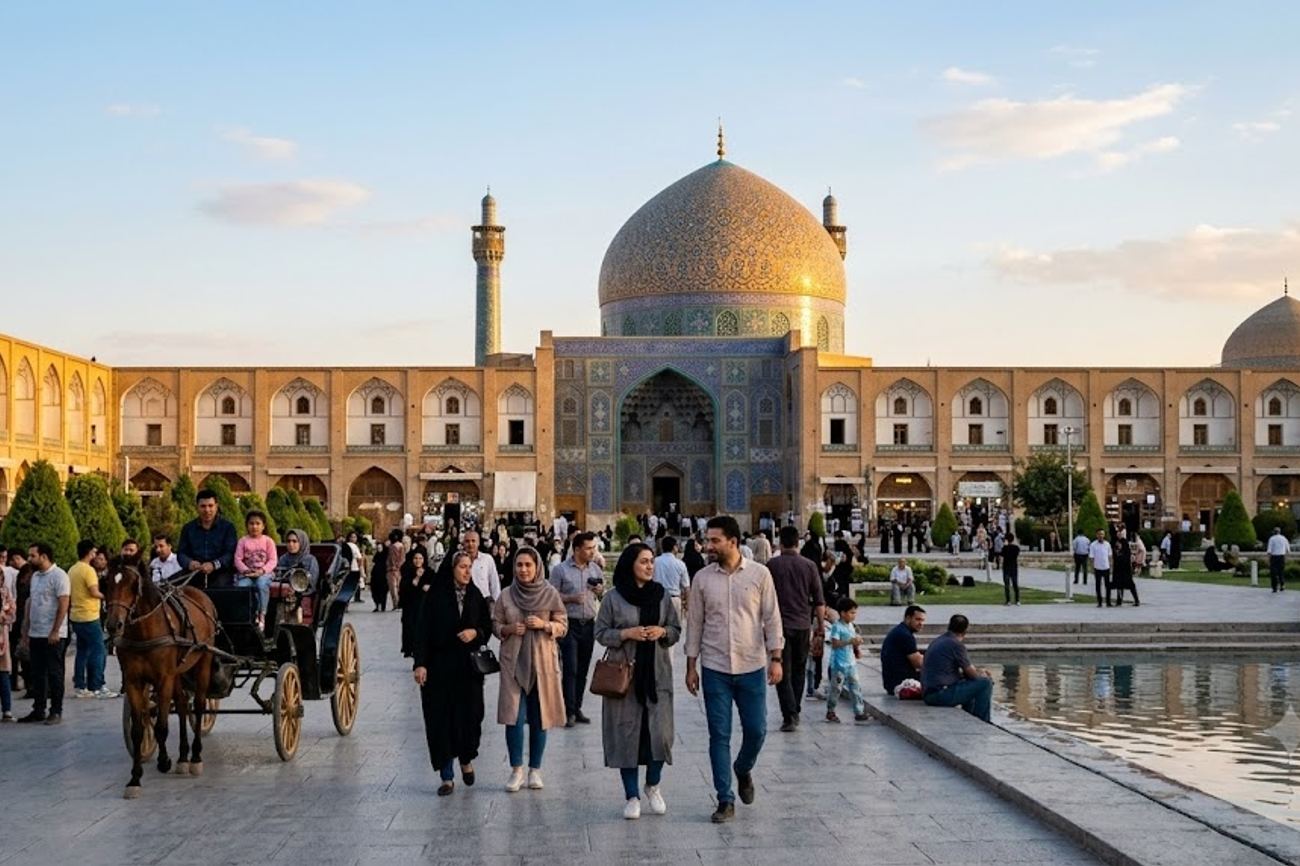
Image generated by AI
3,017 tourism projects currently under construction across Iran signal a systemic pivot toward domestic resilience over international dependency. This massive infrastructure surge, backed by approximately 1,300 trillion tomans (roughly $7.8 billion) in private-sector capital, reveals a strategic decoupling from the volatile global travel market. By prioritizing the internal traveler, the Iranian state and private investors are insulating the hospitality sector from the pressures of international sanctions and regional geopolitical instability.
The Pivot to Internal Consumption
The current trajectory of Iran's tourism sector is not an accident of timing but a calculated response to external economic constraints. For decades, the traditional model of tourism in the region relied heavily on the arrival of foreign currency and international visitors. However, the persistent volatility of diplomatic relations and the restrictive nature of global financial sanctions have made the international traveler a precarious revenue stream.
In response, the Iran Tourism Board and private developers have shifted their gaze inward. The logic is simple: while a foreign tourist might be deterred by visa complexities or security warnings, the domestic population remains a captive and growing market. This shift is evidenced by the scale of investment. The $7.8 billion pipeline is not being funneled into massive, luxury international hubs, but into a diversified array of guesthouses, ecotourism sites, and rural accommodation projects designed to cater to the Iranian middle class.
This domestic-first strategy is further supported by a novel financial mechanism designed to lower the barrier to entry for local travelers. A new travel financing system now allows citizens to book hotels, travel agencies, and ecotourism units via extended payment plans. By offering repayment windows of four, 12, and 24 months, the industry is effectively creating a consumer credit market for leisure, ensuring that hotel occupancy remains stable even during periods of high inflation or economic contraction.
Infrastructure Expansion and Geographic Dispersion
The physical manifestation of this investment is a broad diversification of the country's hospitality map. Historically, tourism was concentrated in a few primary hubs. Now, investment is flowing into previously overlooked provinces, signaling a desire to distribute economic benefits more equitably across the territory.
The following data outlines the current scale of this expansion:
| Development Metric | Current Status/Value |
|---|---|
| Total Projects Under Construction | 3,017 nationwide |
| Private Sector Investment | ~1,300 trillion tomans ($7.8 billion) |
| Projected Hotel Growth | ~500 additional hotels |
| Primary Target Markets | Domestic, Nature, Heritage, and Wellness |
| Credit Terms for Travelers | 4, 12, and 24-month repayment plans |
The geographic shift is most evident in the rising popularity of provinces such as Lorestan, Ilam, Kurdistan, and Chaharmahal and Bakhtiari. These regions, characterized by rugged terrain and distinct cultural identities, are seeing a surge in "nature escapes" and outdoor experiences. This movement away from the urban centers of Tehran or Isfahan suggests a maturing domestic market that is seeking authenticity and environmental connection over standardized luxury.
Expert Analysis: The Architecture of Economic Insulation
From a senior editorial perspective, the $7.8 billion investment surge is less about "tourism" in the traditional sense and more about "economic insulation." When a nation faces severe international restrictions, it must find ways to circulate capital internally to prevent the collapse of service industries.
Iran is strategically diversifying its tourism portfolio by targeting regional markets and domestic travelers to mitigate the impact of international sanctions. The Iran Tourism Organization is implementing new policies to enhance infrastructure and promote cultural heritage sites to a broader demographic of visitors.
For the traveler and the investor, the direct consequence of this shift is a move toward "niche-ification." By focusing on marine, health, thermal spring, and rural tourism, Iran is creating a fragmented but resilient ecosystem. If one segment—such as coastal tourism—suffers a seasonal dip, the health or heritage segments can provide a buffer.
The most sophisticated element of this strategy is the conversion of heritage assets. The restoration of 300-year-old houses into boutique hotels—such as the recent project featuring 12 rooms, 60 beds, and traditional teahouses—serves two purposes. First, it preserves cultural capital that would otherwise decay. Second, it creates a "high-value, low-volume" product that appeals to the affluent domestic traveler who is currently unable or unwilling to travel abroad.
Furthermore, the focus on rural and ecotourism projects in forest and mountain regions reduces the capital risk for investors. Small-scale village accommodations require significantly less upfront investment than a 500-room luxury hotel but offer higher margins when marketed as "exclusive" or "authentic" experiences. This decentralized model makes the entire tourism economy less susceptible to a single point of failure.
Key Takeaways
- Domestic Dominance: Iran has pivoted its entire tourism strategy to favor internal travelers over international arrivals to mitigate geopolitical risk.
- Massive Capital Injection: Private investors have committed 1,300 trillion tomans ($7.8 billion) toward 3,017 active construction projects.
- Financial Incentives: The introduction of 4- to 24-month payment plans is artificially stimulating demand by allowing citizens to travel on credit.
- Diversified Offerings: Growth is shifting away from cities toward specialized niches, including marine tourism on the northern and southern coasts and wellness tourism in thermal spring regions.
- Heritage Monetization: There is a systemic trend of converting ancient architecture and traditional bathhouses into boutique hospitality assets to attract high-spending locals.
FAQ: Iran Tourism 2024-2025
Is Iran focusing more on domestic or international tourists? The current strategy is overwhelmingly focused on domestic travelers. While international tourism is still encouraged, the $7.8 billion investment in 3,017 projects is specifically designed to cater to the needs and spending patterns of Iranian citizens.
Passenger logistics remain centered on major hubs, with Imam Khomeini International Airport serving as the primary gateway for arriving international delegations. Travelers can coordinate flight schedules and transit requirements through the official portal of Iran Air, the national flag carrier.
What are the new payment options for travelers in Iran? To stimulate demand, a new financing system allows travelers to pay for hotels and travel agency services over extended periods, with repayment options spanning four, 12, or 24 months.
Which regions are seeing the most growth outside of major cities? Investment is expanding into provinces such as Lorestan, Ilam, Kurdistan, and Chaharmahal and Bakhtiari, as well as the northern and southern coastal regions for marine and ecotourism.
What is "heritage tourism" in the current Iranian context? It involves the private restoration of historic buildings, such as 300-year-old houses and traditional bathhouses, and converting them into boutique hotels and cultural visitor centers.
The shift toward a domestic-centric model transforms tourism from a diplomatic tool into a domestic economic engine.
Tags: Iran Tourism Board, Iranian Domestic Travel, Heritage Tourism Iran, Lorestan Tourism, Marine Tourism Iran, Iran Hospitality Investment
Related Travel Guides
Disclaimer
This article is for informational and educational purposes only. It does not constitute legal, financial, or professional advice. While we strive to provide accurate and up-to-date information, travel policies, regulations, and conditions change rapidly. Always verify information with official sources before making travel decisions. Nomad Lawyer makes no representations about the accuracy, reliability, completeness, or suitability of the information provided. Readers should consult qualified professionals for advice specific to their circumstances. The views expressed in this article are those of the author and do not necessarily reflect the views of Nomad Lawyer.
Naina Thakur
Contributor & Travel Specialist
Travel enthusiast and legal writer covering visa regulations, responsible tourism, and cultural journeys across global destinations.
Learn more about our team →