
Turkish Airlines Expands to Chengdu: Unlocking Global Aviation Access to Western China
Turkish Airlines' planned launch of Istanbul-Chengdu flights in 2026 boosts western China's connectivity with Europe, the Middle East, and Africa.

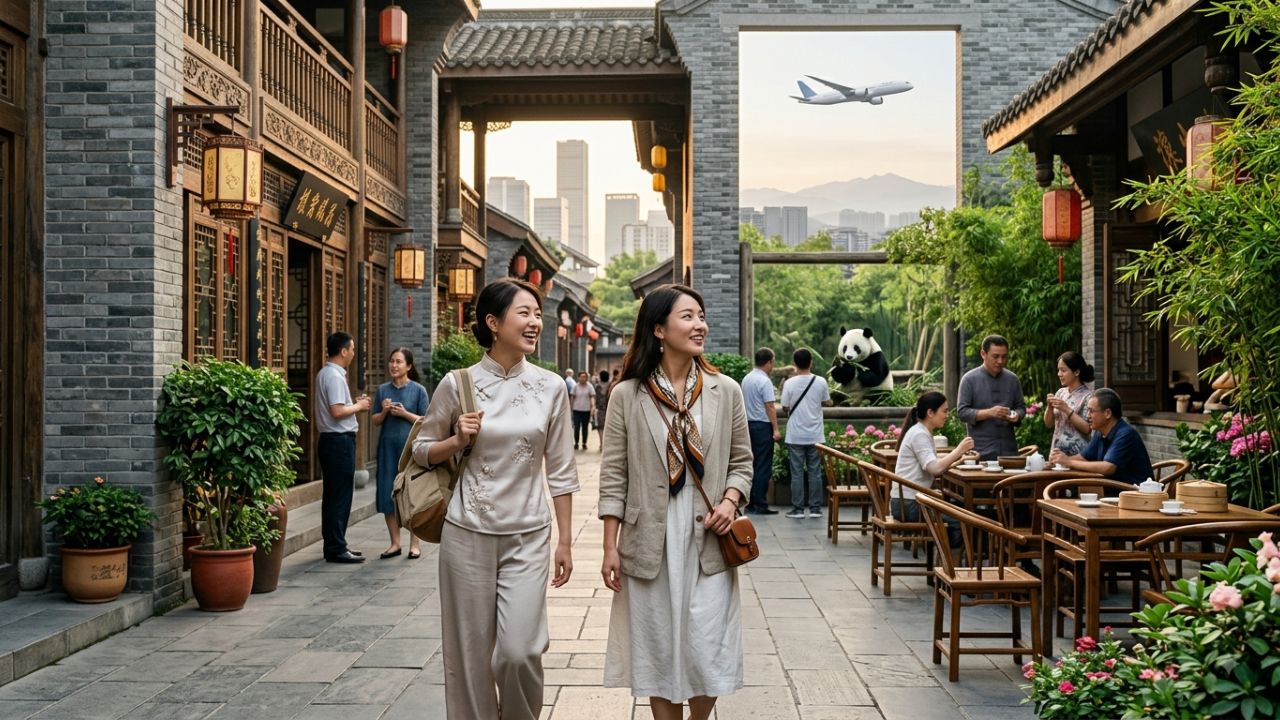
Image generated by AI
Turkish Airlines is expanding its global network with a planned flight route connecting Istanbul and Chengdu in 2026, creating a key aviation gateway into southwest China. This development will simplify transit for international travelers from Europe, the Middle East, and Africa, boosting Sichuan's cultural tourism and business travel sectors.
The global aviation industry is experiencing a significant shift as international carriers expand services directly to China's rising secondary hubs. A major milestone in this trend is the planned Istanbul–Chengdu route in 2026, which positions Chengdu Tianfu International Airport as a key transit point for travelers seeking deeper regional experiences in western China. By routing passengers through Istanbul Airport, one of the world's leading transit hubs, the new connection improves accessibility for long-haul visitors, reducing their dependence on traditional gateways like Beijing, Shanghai, and Guangzhou.
For the traveler, the real impact of this expansion is the opportunity to design flexible itineraries that focus on western China's rich cultural heritage. The rise of passion-first, slow travel in China has driven visitors to seek out authentic local lifestyles, tea gardens, and historic water towns rather than simply following standard sightseeing routes. Rather than using the city solely as a brief transit stop, tourists are encouraged to plan longer stays in Sichuan province, which directly benefits local hotels, regional tour operators, and independent neighborhood businesses. This new connection simplifies travel logistics, making it easier for visitors to explore the historical teahouses, unique wildlife sanctuaries, and sacred mountain ranges that define the regional Sichuan culture.
Realigning Global Aviation Routes: Chengdu's 2026 Airport Expansion
The planned launch of Turkish Airlines' services is part of a broader international aviation expansion at Chengdu Tianfu International Airport in 2026. Several global carriers are launching, resuming, or expanding routes to connect Sichuan directly with international markets:
- Turkish Airlines: Planned launch of the Istanbul–Chengdu route in 2026, strengthening connectivity with Europe, the Middle East, and Africa.
- Malaysia Airlines: Expanded services between Kuala Lumpur and Chengdu in 2026 to improve Southeast Asian tourism connections and open up regional routes.
- Singapore Airlines: Planned expansion in 2026 to create stronger regional and global transit links, making it easier for travelers from Southeast Asia to access the Sichuan capital and transit onwards to destinations like Jiuzhaigou National Park.
- Air China: Expanded services, including a direct link between London and Chengdu, strengthening business and educational exchanges between the United Kingdom and southwest China's major university centers.
- Etihad Airways & Qatar Airways: Existing routes linking Chengdu with Abu Dhabi and Doha, supporting travel flows from the Gulf region.
- Sichuan Airlines: Operating long-haul connections to Europe, North America, and other parts of Asia.
This growth in international routes provides alternative flight choices for travelers from multiple continents. European tourists from Germany, the United Kingdom, France, Italy, and Spain—markets with high demand for long-haul cultural travel—can utilize the extensive Istanbul network to access southwest China with greater flexibility. Similarly, travelers from Middle Eastern hubs like Saudi Arabia, the United Arab Emirates, and Qatar gain direct routes for trade and luxury travel. The expansion also supports emerging links with South Asia, particularly India's growing corporate and educational markets, alongside North America and Africa, creating new avenues for cultural exchange and corporate travel.
Cultural Heritage and Conservation-Focused Ecotourism
The expansion of international connectivity supports sustainable tourism initiatives across Sichuan province. For the visitor, the real impact is the ability to experience ancient engineering marvels and wildlife conservation programs that actively protect the local environment. A key highlight is the Dujiangyan Irrigation System, a UNESCO World Heritage site constructed around 256 BC by engineer Li Bing. This masterpiece of hydraulic engineering uses natural topography to channel water and prevent flooding without the use of a modern dam, serving as an active agricultural water source for the Sichuan plains to this day. The system consists of three key components: Yuzui (Fish Mouth Water-Dividing Dyke), Feishayan (Spillway), and Baopingkou (Precious Bottle Neck), which work in harmony to divide water, discharge silt, and control flows.
By choosing slow-travel itineraries, visitors can support conservation efforts at the Dujiangyan Panda Valley, a facility focused on the rewilding and long-term protection of giant pandas, which provides a quieter, education-first alternative to traditional wildlife parks. Travelers can also support rural communities by visiting traditional tea plantations on Mengding Mountain, where regional tea culture originated. Utilizing Chengdu's modern, high-speed rail network to access Mount Qingcheng, a sacred Taoist mountain, allows visitors to explore the regional geography while keeping their carbon footprints low. This model ensures that tourism revenue directly funds the preservation of habitats and supports local agricultural workers, creating a sustainable loop of conservation and economic support.
Destination Specialist Local Insider Tips
To help you explore the cultural heritage and natural environments of Chengdu safely and responsibly, regional destination specialists suggest the following insider tips:
- Target the Spring and Autumn Windows: Plan your visit to Sichuan between March and June, or from September to November, to enjoy mild weather and active wildlife. Avoid the national Golden Week holiday in early October, when crowds at key sites are exceptionally high.
- Practice Teahouse Etiquette at Heming: Visit the historic Heming Teahouse in People's Park to experience local slow living. Order a cup of traditional Zhuyeqing green tea, take a seat at the bamboo tables, and appreciate the relaxed social atmosphere. It is customary to spend several hours conversing and relaxing over a single cup.
- Access Mount Qingcheng via High-Speed Rail: Avoid private car transfers by taking the high-speed train from Chengdu Railway Station directly to Mount Qingcheng Station. The journey takes under an hour and connects you directly with the trailheads of the quiet Front Mountain route.
- Navigate the Sichuan Culinary Spice Levels: When ordering local specialties like Mapo Tofu or traditional hotpot, ask the kitchen for wei-la (mild spice) if you are not accustomed to the numbing sensation of the local Sichuan peppercorn.
- Choose Conservation-First Wildlife Reserves: Visit the Dujiangyan Panda Valley instead of the larger city center facilities. The valley limits daily visitor numbers to reduce stress on the animals and focuses heavily on wild training programs.
Long-Term Outlook for Sichuan Tourism
The long-term outlook for tourism in Chengdu is highly positive, supported by the state's investment in green infrastructure and international flight corridors. By connecting southwest China directly with global hubs like Istanbul Airport, regional authorities are positioning the city as a major alternative gateway for travelers who want to explore beyond Beijing and Shanghai.
As aviation networks continue to expand through 2026, the local hospitality sector is adapting to serve longer-stay visitors who prioritize slow travel, cultural immersion, and nature observation. Ongoing investments in high-speed rail connections, sustainable trail systems in national parks, and the protection of historic neighborhoods will ensure that Chengdu remains a clean, welcoming, and ecologically responsible destination for international travelers for years to come. This transition ensures the preservation of regional heritage while offering global travelers a deeper understanding of southwestern China's environment.
Related Travel Guides
Disclaimer
This article is for informational and educational purposes only. It does not constitute legal, financial, or professional advice. While we strive to provide accurate and up-to-date information, travel policies, regulations, and conditions change rapidly. Always verify information with official sources before making travel decisions. Nomad Lawyer makes no representations about the accuracy, reliability, completeness, or suitability of the information provided. Readers should consult qualified professionals for advice specific to their circumstances. The views expressed in this article are those of the author and do not necessarily reflect the views of Nomad Lawyer.
Kunal K Choudhary
Co-Founder & Contributor
A passionate traveller and tech enthusiast. Kunal contributes to the vision and growth of Nomad Lawyer, bringing fresh perspectives and driving the community forward.
Learn more about our team →