
Myanmar and Belarus Tourism Breakthrough: Visa-Free Travel and Minsk-Yangon Flights
Myanmar and Belarus sign a landmark 30-day visa-free pact and plan direct Minsk-Yangon flights to launch a new era of Eastern European-Southeast Asian travel.

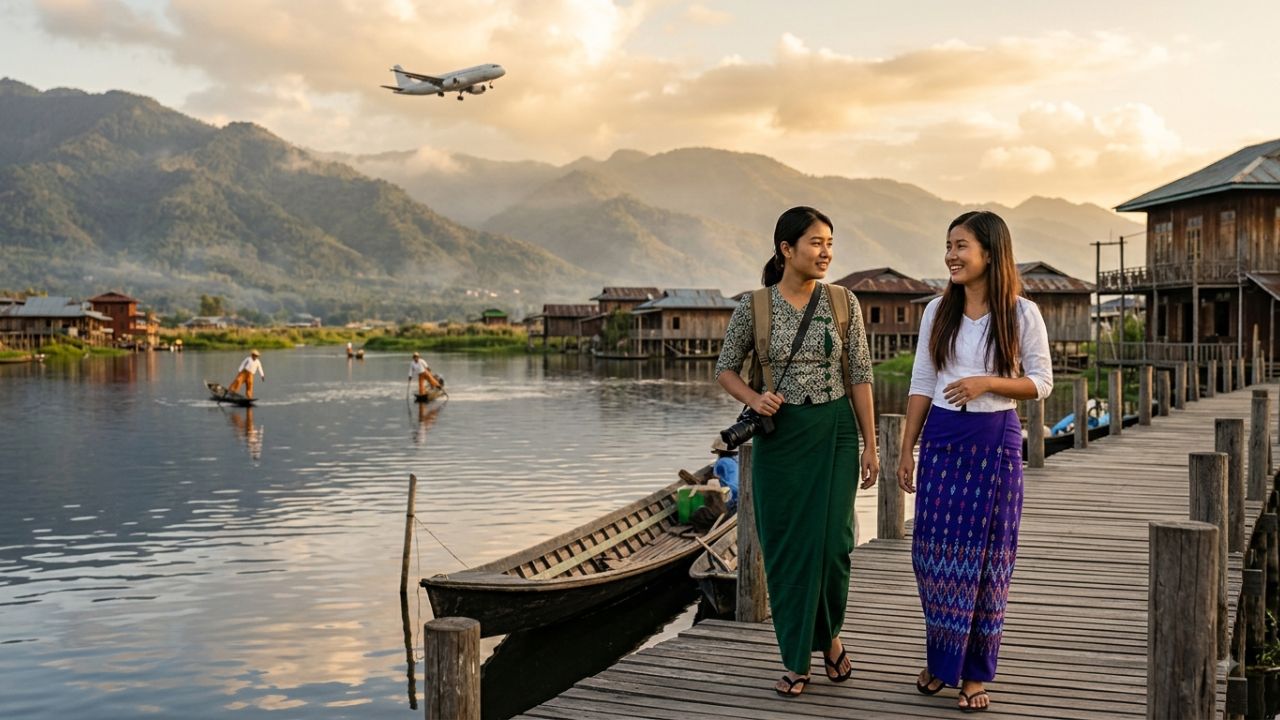
Image generated by AI
Myanmar and Belarus have signed a landmark visa-free travel agreement for stays up to 30 days and are planning direct Minsk-Yangon flight routes to connect Eastern Europe and Southeast Asia.
The international travel sector is building new bilateral partnerships that link developing markets across different continents. The strategic cooperation agreement between Myanmar and Belarus represents a major step in this direction, designed to improve tourism marketing, establish aviation links, and simplify entry procedures. This partnership represents a coordinated effort to expand regional travel networks between Southeast Asia and Eastern Europe.
For the visitor, the real impact is access to previously remote destinations that were historically difficult to reach due to complex administrative barriers. Rather than focusing on traditional holiday spots, the joint promotional campaign highlights Myanmar’s untamed frontiers, cultural heritage sites, and adventure travel opportunities. By sharing digital promotional videos, high-resolution photography, and travel guides through their respective embassies, both nations are laying the groundwork for a stable, long-term travel corridor, facilitating cultural exchanges and mutual travel growth.
Easing Entry Barriers: The 30-Day Visa-Free Agreement
The primary operational milestone of this cooperation is the introduction of a visa-free travel agreement for short-term stays. Under this landmark pact, ordinary passport holders from Myanmar and Belarus can travel between the two nations without a visa for visits up to 30 days.
Removing visa application delays and fees represents a significant structural change in the travel planning process. Modern travelers consistently prioritize destinations that offer simple, transparent entry rules. For travel agencies, this visa exemption makes it easier to design group packages, arrange independent tours, and promote slow travel itineraries without the administrative burden of consular processing, encouraging a steady flow of international visitors. Ordinary passport holders must ensure their passports have at least six months of validity from the date of arrival.
Expanding Regional Aviation Networks: The Minsk-Yangon Direct Route
Bilateral tourism growth is dependent on reliable transport infrastructure. To support the new visa-free policy, aviation authorities from both nations are discussing the launch of a direct Minsk-Yangon flight. Currently, travelers moving between Eastern Europe and Southeast Asia must rely on multi-stop itineraries that increase travel time and logistical complexity.
A direct air connection between Minsk and Yangon is projected to provide several structural benefits:
- Reduced Transit Times: Bypassing layovers in third-country hubs, making long-haul travel more appealing.
- Lower Package Costs: Allowing tour operators to negotiate bulk airfares and develop competitive holiday packages.
- Enhanced Business Connectivity: Fostering stronger links between commercial entities and trade delegations from both regions. The proposed flight path would connect Minsk National Airport with Yangon International Airport, functioning as a primary transit link.
Highlighting Adventure Tourism and Ecological Expeditions
Myanmar is utilizing this bilateral partnership to promote travel experiences that go beyond standard sightseeing. The Ministry of Hotels and Tourism is highlighting nature-based activities, mountaineering tours, and ecological expeditions in the country's northern and coastal areas. This includes trekking routes in Chin State and the rugged peaks surrounding Putao, which attract mountaineering enthusiasts.
This outdoor-focused strategy targets travelers seeking a deeper connection with nature and local communities. The campaign showcases regions like Inle Lake, where travelers can witness traditional water-based lifestyles and explore ancient heritage structures. By emphasizing adventure travel, the country aims to diversify its visitor demographics and establish a sustainable tourism model that values ecological preservation, ensuring that visitor activity does not degrade sensitive wilderness corridors.
Eco-Focus: Supporting Floating Gardens and Sustainable Lake Communities
The expansion of tourism in the Inle Lake region is coupled with a focus on environmental preservation and community support. The Intha people, known as the "children of the lake," have developed unique agricultural practices, including floating gardens anchored to the lakebed with bamboo poles.
Travelers can support these local economies by hiring local boatmen directly, staying in eco-resilient stilt hotels, and buying organic tomatoes and local handicrafts directly from community markets. This direct economic support helps preserve Inle Lake’s delicate ecosystem, protecting the traditional lifestyles that make this Southeast Asian destination unique. The Myanmar Tourism Federation is working to establish eco-friendly certifications for local accommodations.
Destination Expert Insider Tips for Visitors to Myanmar
To help travelers experience the cultural heritage, natural wonders, and culinary traditions of Myanmar safely and responsibly, local destination specialists recommend the following insider tips:
- Remove Shoes and Socks at Shwedagon Pagoda: When visiting religious monuments like the iconic Shwedagon Pagoda in Yangon, you must remove all footwear, including socks. Carry a reusable bag to hold your shoes, and dress modestly with shoulders and knees covered. Carrying wet wipes is also recommended to clean your feet after your visit.
- Hire a Private Long-Tail Boat in Nyaung Shwe: Nyaung Shwe is the main gateway to Inle Lake. Rent a private long-tail boat for the day instead of booking crowded group tours. A private boat allows you to explore the lake at your own pace and catch the early morning mist. You can negotiate prices directly with the boat captains at the main canal docks in Nyaung Shwe, helping support local family-run businesses.
- Observe Intha Fishermen and Floating Gardens Respectfully: The Intha fishermen row their boats standing on one leg to see over the reeds. While they are a scenic highlight, respect their daily work and avoid getting too close to their fishing nets. Ask for their permission before taking close-up portraits, and consider tipping them as they rely on tourists to supplement their seasonal fishing incomes.
- Sample Fresh Mohinga for Breakfast: Try Mohinga, Myanmar’s national dish—a fish-based noodle soup flavored with lemongrass, ginger, and banana stems. Top it with crunchy lentil fritters and a squeeze of lime. You will find it served by street vendors and local tea shops across Yangon, offering an authentic taste of traditional Burmese morning cuisine.
- Understand Local Travel Pace: Maintain a flexible schedule, as regional boat and bus connections can change due to weather. Declare all food items at customs to respect the country’s strict biosecurity rules. Keep local cash on hand, as many small artisan workshops and floating markets on Inle Lake do not accept credit cards or digital payments.
Long-Term Outlook for Bilateral Tourism Corridors
The long-term outlook for this new travel corridor depends on maintaining the cooperation between public departments, commercial airlines, and private tour operators. By combining visa exemptions with direct flights, the two nations can establish a reliable travel route. This includes developing code-share agreements between regional airlines to simplify transfer logistics.
Ongoing investments in sustainable tourist facilities, multilingual travel guides, and green aviation practices will ensure that this partnership remains resilient. By aligning commercial goals with community-led tourism programs, Myanmar and Belarus are demonstrating that international travel can build cultural understanding while protecting the cultural assets and natural environments of both host nations. This bilateral cooperation creates a sustainable model that balances industrial tourism growth with community welfare and resource conservation. Tour operators from both Minsk and Yangon will run joint webinars to educate travel agents on how to promote these sustainable journeys, further strengthening the international relationship.
Related Travel Guides
Disclaimer
This article is for informational and educational purposes only. It does not constitute legal, financial, or professional advice. While we strive to provide accurate and up-to-date information, travel policies, regulations, and conditions change rapidly. Always verify information with official sources before making travel decisions. Nomad Lawyer makes no representations about the accuracy, reliability, completeness, or suitability of the information provided. Readers should consult qualified professionals for advice specific to their circumstances. The views expressed in this article are those of the author and do not necessarily reflect the views of Nomad Lawyer.
Kunal K Choudhary
Co-Founder & Contributor
A passionate traveller and tech enthusiast. Kunal contributes to the vision and growth of Nomad Lawyer, bringing fresh perspectives and driving the community forward.
Learn more about our team →