
Turkey Tourism 2026: Istanbul and Cappadocia Lead Shift Toward Balanced Slow Travel Itineraries
Turkey is redefining international tourism in 2026 by pivoting from rushed sightseeing to balanced itineraries that integrate Istanbul's history and Cappadocia's soft adventure.

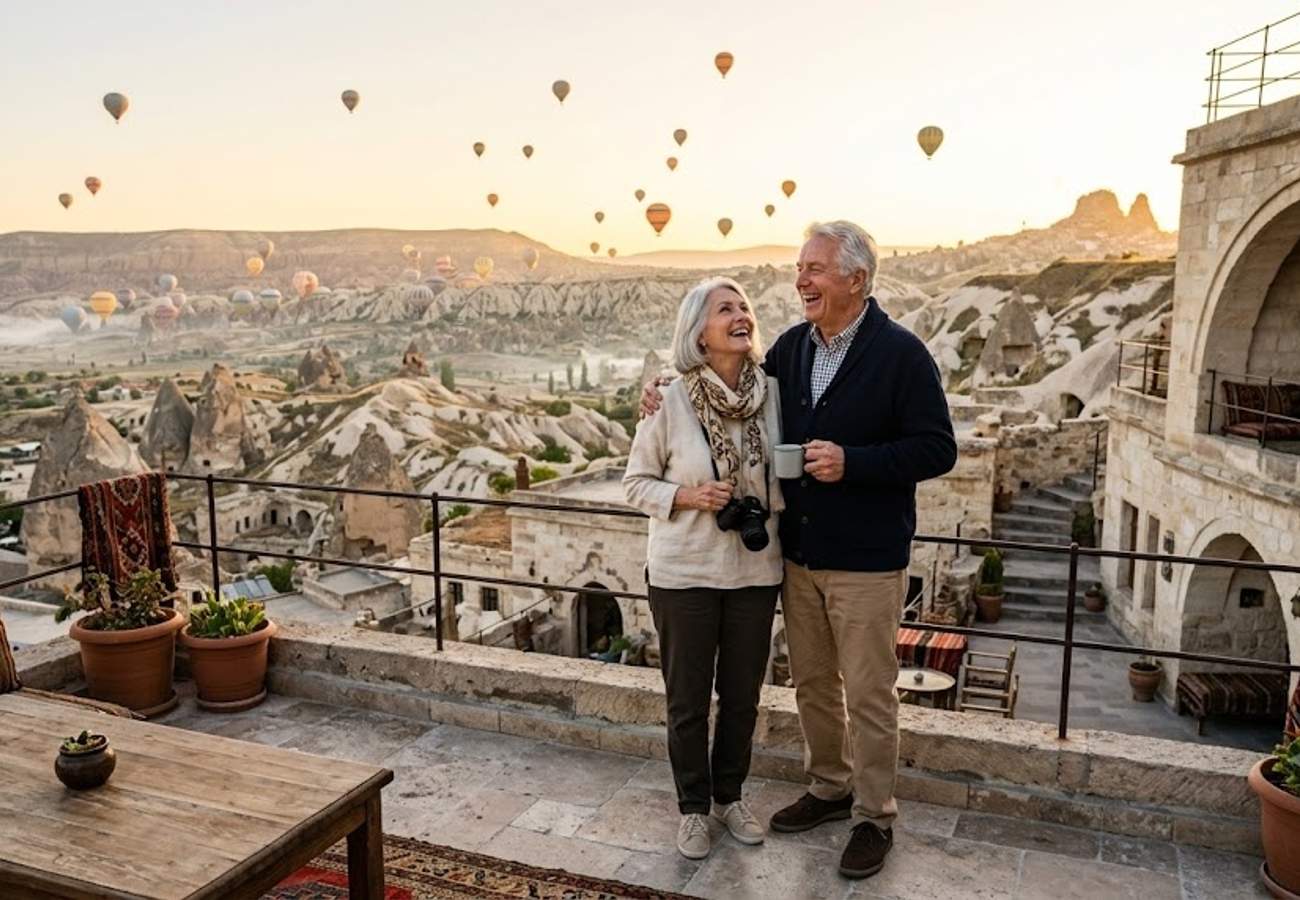
Image generated by AI
[Istanbul, July 27, 2026] — Turkey is currently witnessing a significant surge in international arrivals as the nation pivots its tourism strategy toward "balanced travel," prioritizing immersive experiences over traditional, high-speed sightseeing. By integrating the urban complexity of Istanbul with the natural wonders of Cappadocia and the depth of ancient ruins, the country is positioning itself as a leader in the global shift toward slow tourism.
The current travel landscape in Turkey reflects a move away from the "checklist" mentality. Instead of packing dozens of landmarks into a short window, current itineraries are designed to provide a equilibrium between cultural exploration, soft adventure, and necessary leisure. This strategic shift is designed to attract a modern demographic of travelers who value mental well-being and authentic engagement over the sheer volume of visited sites.
Istanbul Serves as the Cultural Gateway for 2026 Visitors
The typical journey for international tourists now begins in Istanbul, a metropolis that functions as a living museum of Byzantine and Ottoman legacies. The city is not merely a stopover but a foundational experience that introduces visitors to the intersection of ancient civilization and modern urbanity.
Reports indicate that travelers are spending more time in the city's diverse districts, moving beyond the primary tourist hubs to explore scenic waterfront promenades and local neighborhoods. The appeal lies in the city's ability to preserve its architectural heritage—characterized by massive mosques and historic markets—while remaining a vibrant, functioning global hub.
Industry observers note that starting a trip in Istanbul allows visitors to establish an emotional connection with Turkey's identity. By observing how historical heritage influences contemporary commerce and community traditions, travelers are more likely to extend their stay or return for future visits, providing a sustained boost to the local tourism economy.
Cappadocia Redefines Soft Adventure and Luxury Lodging
Once the urban exploration of Istanbul is complete, the travel flow typically shifts toward the surreal landscapes of Cappadocia. This region has become the epicenter of "soft adventure," a category of tourism that offers outdoor excitement without requiring extreme physical exertion, making it accessible to a wider age range of travelers.
The most prominent feature of the Cappadocia experience remains the sunrise hot air balloon flights. These excursions provide a panoramic view of the region's unique geological formations, creating a visual spectacle that has become a global benchmark for luxury travel. Even for those who prefer to remain on the ground, the sight of hundreds of balloons ascending at dawn serves as a major draw for photography enthusiasts and leisure seekers.
Beyond the aerial views, the region is noted for its innovative approach to hospitality. The integration of ancient cave dwellings into high-end cave hotels allows visitors to experience the area's history without sacrificing modern comfort. This blend of natural preservation and luxury service strengthens Cappadocia's status as a premier destination for those seeking a retreat from conventional city life.
Ancient Heritage Sites Drive Educational Tourism Growth
Turkey's broader appeal is further anchored by its vast network of ancient sites, which provide a chronological map of the civilizations that shaped the Mediterranean and Near East. These locations are increasingly being marketed not just as ruins, but as educational hubs that offer insight into early human society, architecture, and governance.
The current trend in heritage tourism suggests that visitors are seeking a deeper understanding of how these ancient structures influenced modern cultural traditions. By spending more time at each site, travelers gain a more comprehensive perspective on the region's legacy, which adds significant intellectual value to the trip.
This focus on educational depth is expected to drive continued investment in heritage conservation. As the demand for authentic, well-preserved historical sites grows, the Turkish government and local authorities are incentivized to prioritize sustainable management and professional restoration to ensure these sites remain viable for future generations of tourists.
Culinary Integration as a Core Travel Motivator
A critical component of the 2026 travel experience in Turkey is the elevation of authentic cuisine from a mere necessity to a primary attraction. Food is now treated as a cultural bridge, allowing visitors to engage with local traditions through taste and smell.
From the street food of Istanbul's markets to the regional specialties of the Anatolian plateau, culinary exploration is being woven into the fabric of every itinerary. This approach allows travelers to experience the diversity of Turkey's geography and history through its ingredients and cooking methods, adding a sensory layer to the journey that complements the visual and historical exploration.
Why This Matters: The Shift to Experience-Driven Tourism
For the modern traveler, the transition toward balanced itineraries means a reduction in "travel burnout." The traditional model of visiting five cities in ten days is being replaced by a philosophy of quality over quantity. This shift has direct implications for how travel is booked and experienced:
- Logistical Flexibility: Travelers are now opting for longer stays in fewer locations, leading to a higher demand for boutique accommodations over large-scale hotels.
- Economic Distribution: By encouraging exploration of "neighborhoods" rather than just "monuments," tourism revenue is flowing more deeply into local communities and small businesses.
- Psychological Value: The emphasis on "meaningful exploration" transforms a vacation from a series of photos into a period of genuine cultural exchange and mental decompression.
From a logistical standpoint, this creates a sustainable model for tourism. By spreading visitors across a wider variety of experiences and slowing their pace, Turkey reduces the pressure on "over-tourism" hotspots while increasing the total spend per visitor.
Turkey is proving that the future of global travel lies not in how much a person can see, but in how deeply they can experience a destination.
Related Travel Guides
Disclaimer
This article is for informational and educational purposes only. It does not constitute legal, financial, or professional advice. While we strive to provide accurate and up-to-date information, travel policies, regulations, and conditions change rapidly. Always verify information with official sources before making travel decisions. Nomad Lawyer makes no representations about the accuracy, reliability, completeness, or suitability of the information provided. Readers should consult qualified professionals for advice specific to their circumstances. The views expressed in this article are those of the author and do not necessarily reflect the views of Nomad Lawyer.
Raushan Kumar
Founder & Lead Developer
Full-stack developer with 11+ years of experience and a passionate traveller. Raushan built Nomad Lawyer from the ground up with a vision to create the best travel and law experience on the web.
Learn more about our team →