
Green Sanctuary: Colonia Chapá Leads Argentina's Rural Ecotourism Movement
Established in 2023, the Colonia Chapá ecotourism corridor in Misiones offers yerba mate farming, Guaraní heritage, and birdwatching.

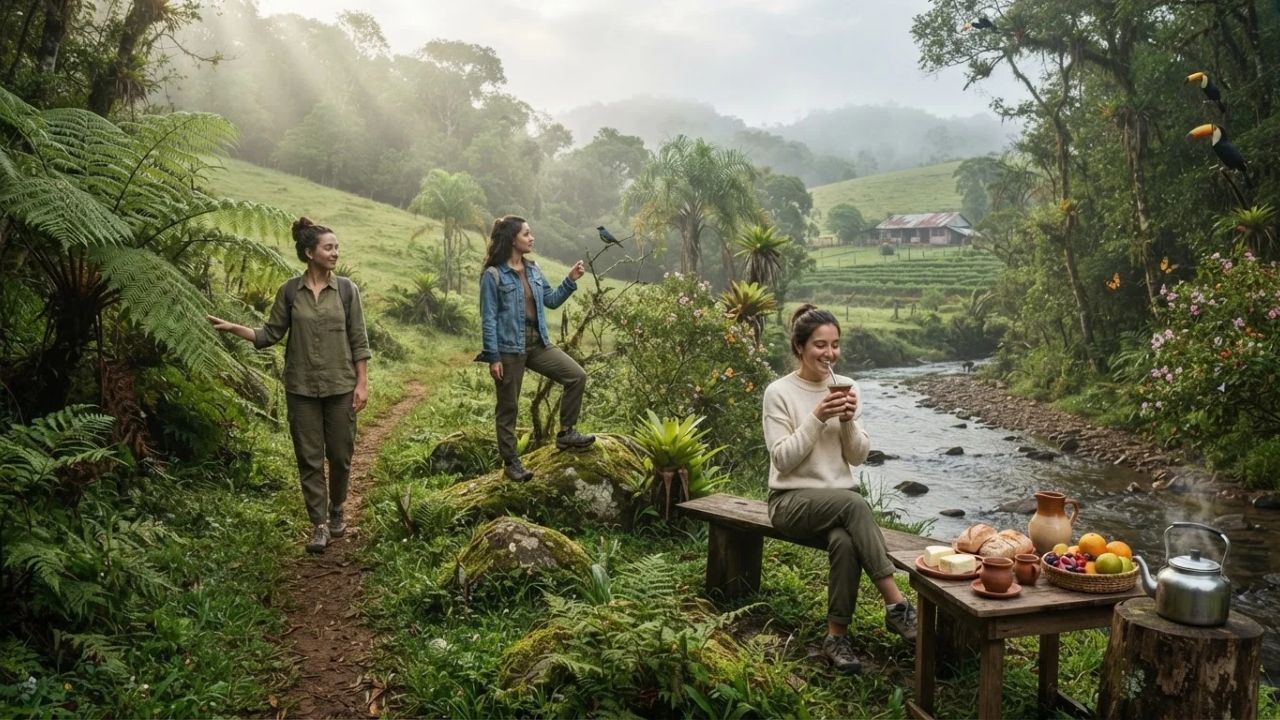
Image generated by AI
Established in 2023, the sustainable ecotourism corridor of Colonia Chapá in Argentina’s Misiones province has emerged as a premier retreat for slow travel. Linking the rural municipalities of Colonia Alberdi and General Alvear, this community-led project lets visitors experience traditional yerba mate farming and birdwatching in undisturbed native forests.
The Shift Toward Quiet Rural Tourism
A growing trend in global tourism is the movement toward quiet, rural exploration and slow travel. As travelers seek relief from crowded metropolitan spots and digital notifications, they look for destinations that prioritize environmental conservation, community heritage, and personal enrichment. Rather than building large-scale, artificial tourist attractions, regional developers are preserving the authentic, quiet character of lesser-known countryside destinations.
By focusing on low-impact travel and educational workshops, these initiatives help visitors connect with nature and support the economic vitality of small-scale farmers and local families.
Collaborative Ecotourism in Misiones
The development of the Misiones ecotourism corridor showcases the effectiveness of grassroots partnerships:
- Project Inception: Launched in 2023, the corridor connects the neighboring municipalities of Colonia Alberdi and General Alvear.
- Grassroots Development: The initiative is managed by local family-run farms and municipal authorities, avoiding top-down commercial corporate models.
- Economic Dispersal: By managing the tourism pipeline locally, the project ensures that revenue stays within Misiones, empowering residents to protect their own land.
- Nature Trails: The corridor features trails designed for quiet walking, forest-bathing therapies, and birdwatching within the native forest.
These efforts preserve the regional ecosystem while offering travelers immersive educational opportunities.
Immersive Agricultural and Cultural Traditions
At the center of the Colonia Chapá experience are interactive workshops that connect visitors with local heritage and agriculture:
- Granja La Lechuza: An organic, sustainable farm offering agricultural education and rustic, farm-to-table meals prepared with freshly harvested ingredients.
- Yerba Mate Sessions: Immersive verdeada workshops where visitors participate in the harvesting and traditional preparation of yerba mate, a central element of Argentine cultural identity.
- Tea Experiences: Specialized tea harvesting and tasting sessions hosted by Del Iguazú Infusiones, highlighting Misiones' agricultural heritage.
- Immigrant Culinary Heritage: Local kitchens preserve the recipes, baking techniques, and food preservation methods passed down by the European immigrant families who originally settled Misiones.
These activities help travelers understand the dedication required to maintain a functional rural farm while directly supporting the local economy.
Guaraní Ancestral Knowledge and Biodiversity Conservation
The ecotourism corridor works to protect the region's indigenous heritage and subtropical biodiversity:
- Guaraní Ethnobotany: Guided walks led by local experts introduce visitors to the traditional medicinal plants, sustainable foraging practices, and forest management systems used by the native Guaraní people.
- Citizen Science Projects: Visitors can participate in community-led conservation efforts, including monitoring butterfly populations and testing water quality in local streams.
- Habitat Protection: The corridor supports the protection of endangered regional fauna, including jaguars, toucans, and native amphibians that rely on undisturbed subtropical forests.
- Artisan Cooperatives: Village cooperatives preserve traditional woodcarving, basket weaving, and textile design, allowing artisans to sell handcrafted goods directly to travelers.
These initiatives help protect the region's cultural legacy while funding local environmental protection programs.
Misiones Ecotourism Corridor Parameters
The table below breaks down the primary locations, activities, and local partners within the sustainable corridor:
| Corridor Location | Primary Attraction / Service | Key Local Partners | Eco-Tourism Focus Area |
|---|---|---|---|
| Colonia Chapá | Organic farm-to-table dining | Granja La Lechuza | Sustainable agriculture & heritage meals |
| Colonia Alberdi | Yerba mate harvesting & tasting | Verdeada cooperative | Traditional agricultural education |
| General Alvear | Native forest trails & forest bathing | Municipal authorities | Acoustic relaxation & digital detox |
| Bilingual Forest Reserves | Ethnobotanical walks & birdwatching | Guaraní community guides | Biodiversity monitoring & citizen science |
These coordinates help travelers plan their itineraries through the rural areas of Misiones.
Environmental Stewardship and Supporting Local Cooperatives
For the visitor, the real impact of supporting community-led tourism is the direct preservation of Misiones' subtropical rainforest. Direct revenue from farm stays and guided tours helps fund the protection of native forests, preventing deforestation and keeping agricultural land in local hands.
Additionally, buying handmade woodcarvings and woven baskets directly from Guaraní cooperatives removes commercial intermediaries. This direct trading system secures sustainable secondary incomes for rural households, inspiring younger generations to preserve traditional craftsmanship.
For example, you can explore the changing dynamics of Colombia Chocó: Pacific Coast Whale Watching and Meditation Programs to see how remote communities develop sustainable ecotourism. For budget-conscious travelers, aligning slow city travel with municipal transit options mirrors similar regional initiatives, such as the Free Admission at Select US State Parks programs. This trend is similar to the tourism growth seen in other destinations, as detailed in our guide on how Utica, New York Emerges as an Affordable Northeast Tourism Hub.
Visitor Insider Tips: Navigating Misiones
If you are planning a journey to Colonia Chapá and the surrounding municipalities, keep these practical tips in mind:
- Plan for Foggy Mornings: Misiones is known for its misty, humid mornings. Pack lightweight layers, a waterproof jacket, and sturdy hiking boots for slippery forest trails.
- Reserve Farm Meals in Advance: Farm-to-table dining at Granja La Lechuza utilizes freshly harvested ingredients. Contact the farm ahead of time to book your rustic lunch.
- Learn Mate Etiquette: When participating in a verdeada session, remember not to stir the yerba mate with the metal straw (bombilla), as this is considered a social faux pas.
- Carry Cash in Local Currency: Many small-scale producers, artisan cooperatives, and family-run venues do not accept credit cards or digital payments.
- Respect Indigenous Boundaries: During ethnobotanical walks led by Guaraní guides, ask permission before taking photos of community members or sacred sites.
Long-Term Outlook for Argentina's Slow Travel Sector
The long-term outlook for Colonia Chapá and the wider Misiones province is focused on expanding rural agro-tourism corridors and improving educational travel programs. As international demand for wellness and nature-based travel grows, these community-led corridors will remain a key model for sustainable development in South America.
By protecting local heritage and supporting regional cooperatives, the residents of Misiones aim to safeguard their land and history for future generations.
FAQ
What is Colonia Chapá and where is it located?
Colonia Chapá is a rural ecotourism retreat located in the foothills of the Misiones province in northeastern Argentina.
When was the Misiones ecotourism corridor established?
The sustainable corridor was initiated in 2023 through a partnership between local entrepreneurs and municipal authorities in Colonia Alberdi and General Alvear.
What activities can visitors do in Colonia Chapá?
Visitors can participate in organic farming workshops, yerba mate harvesting, traditional tea sessions, birdwatching, and ethnobotanical walks.
How does this project support conservation?
The corridor funds regional biodiversity protection, supports citizen science projects, and protects the habitats of local species like jaguars and toucans.
Stay updated on the ecotourism corridors and slow travel destinations shaping South American travel.
Related Travel Guides
Disclaimer
This article is for informational and educational purposes only. It does not constitute legal, financial, or professional advice. While we strive to provide accurate and up-to-date information, travel policies, regulations, and conditions change rapidly. Always verify information with official sources before making travel decisions. Nomad Lawyer makes no representations about the accuracy, reliability, completeness, or suitability of the information provided. Readers should consult qualified professionals for advice specific to their circumstances. The views expressed in this article are those of the author and do not necessarily reflect the views of Nomad Lawyer.
Raushan Kumar
Founder & Lead Developer
Full-stack developer with 11+ years of experience and a passionate traveller. Raushan built Nomad Lawyer from the ground up with a vision to create the best travel and law experience on the web.
Learn more about our team →