
Travel Valencia Leads Multi-Day Tour Transformation Through Boutique Hotels
Valencia's boutique hotels capitalize on small-group tour surge in 2026, positioning properties as strategic hubs for Spain's fastest-growing premium travel segment.

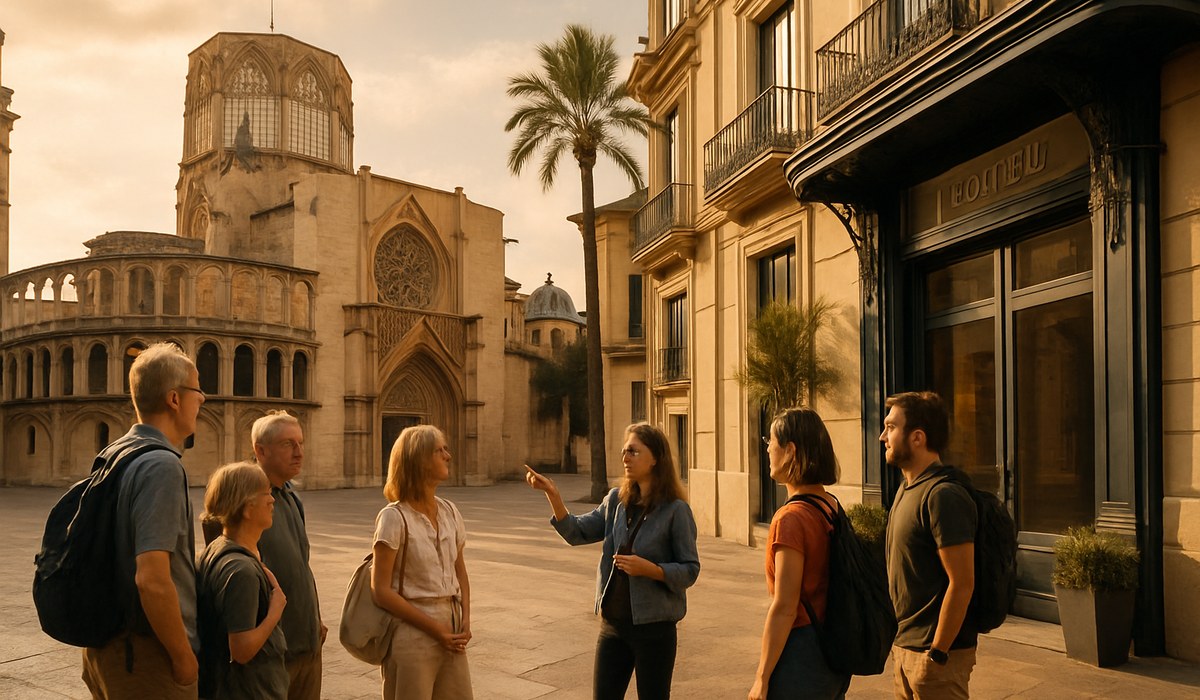
Image generated by AI
Quick Summary • Valencia's boutique hotels are securing multi-day tour operator partnerships, outpacing Madrid and Barcelona in this emerging accommodation segment • Properties with 30-80 rooms report 23% higher revenue per available room when serving small-group tours compared to traditional independent bookings • Hotels adopting integrated booking systems and personalized guest technology see tour operator rebooking rates exceeding 70% • Strategic positioning near cultural landmarks and architectural sites drives premium pricing for Valencia accommodation packages
While Barcelona and Madrid fight for mass tourism dollars, Valencia's hotel sector has quietly unlocked a more profitable niche: accommodating the intimate, technology-driven multi-day tours that modern travelers are willing to pay premium prices to experience. Travel Valencia leads this shift as Spain's boutique properties discover that small-group tours deliver better margins and longer guest relationships than conventional transient bookings.
The city's accommodation landscape is transforming rapidly this spring. Fifteen boutique hotels across Valencia's historic Ciutat Vella district have signed exclusive partnership agreements with specialized tour operators focusing on groups of six to twelve participants. These properties, ranging from converted 18th-century palaces to design-forward urban retreats, have restructured operations to serve this demographic.
Industry analysts tracking Spain's hotel performance benchmarking data through hotel performance benchmarking data note Valencia properties serving small-group tours achieved occupancy rates 11 percentage points higher than the regional average in February 2026. Revenue per available room climbed 18% year-over-year for these specialized properties, significantly outperforming competitors relying on traditional booking channels.
Valencia's Hotel Sector Capitalizes on Small-Group Tour Renaissance
The accommodation strategy reshaping travel Valencia leads directly from changing consumer preferences. Affluent travelers increasingly reject overcrowded bus tours and impersonal cruise ship excursions. They seek curated experiences with personal space, local expertise, and flexibility—exactly what boutique hotels paired with specialized tour operators can deliver.
Hotel Palau de la Mar, a 42-room property in El Cabanyal, reported that tour group bookings now represent 38% of annual revenue, up from just 9% in 2024. General Manager Carla Mendoza explains the economics: "A multi-day tour booking guarantees three to five consecutive nights with minimal distribution costs. We eliminate third-party commissions, reduce no-show risk, and build direct relationships with tour operators who return quarterly."
Properties are redesigning physical spaces to accommodate group dynamics. The Mercat Boutique Hotel installed modular meeting spaces where tour groups gather for morning briefings before dispersing to explore Valencia's architectural treasures. Private dining areas allow groups to share meals while maintaining separation from leisure travelers seeking quiet escapes.
These modifications align with broader hospitality industry's technology integration efforts that prioritize personalized guest experiences while maintaining operational efficiency. Valencia hotels are simply applying these principles to a specific market segment with exceptional return potential.
Technology Integration Reshapes Guest Experience and Operational Efficiency
Small-group tours demand sophisticated operational coordination that older hotel systems cannot support. Valencia properties serving this market have invested heavily in cutting-edge technology platforms that synchronize tour operator needs with hotel operations.
The Russafa Design Suites implemented a cloud-based property management system that shares real-time availability with four partner tour operators. When a group completes one Valencia experience and books a return visit, the system automatically reserves their preferred rooms and pre-populates dietary preferences, room configurations, and special requests from previous stays.
Digital check-in systems reduce lobby congestion when groups arrive. Instead of processing twelve individual check-ins, hotels send personalized mobile keys to tour participants two hours before arrival. This technology, similar to systems adopted at major chain properties, works particularly well for boutique hotels with limited front desk staffing.
In-room technology caters to the demographic profile of small-group tour participants. Properties have installed voice-activated controls, high-speed connectivity supporting multiple devices, and streaming capabilities that mirror home entertainment systems. These features earn consistent praise in post-stay surveys and drive rebooking rates.
Hotels also leverage technology to enhance the cultural immersion that attracts tour participants. The Casa Babylon app provides self-guided audio tours of the building's architectural significance, connecting guests to the heritage tourism experiences that motivated their Valencia visit. This digital layer adds value without requiring additional staff.
Revenue Opportunities: Why Boutique Properties Outperform on Tour Bookings
The financial advantages of small-group tour partnerships extend beyond simple occupancy gains. Valencia hotels are discovering multiple revenue streams that traditional bookings rarely generate.
Food and beverage operations benefit substantially. Tour operators typically include breakfast and one additional meal in their packages, guaranteeing restaurant revenue even from guests who might otherwise skip hotel dining. The Poeta Querol Hotel's on-site restaurant saw covers increase 44% after adding group tour partnerships to their business mix.
Ancillary services generate unexpected income. Hotels offer optional add-ons like private cooking classes, wine tastings with Valencian winemakers, and guided architectural walks. Tour participants, already committed to experiential spending, convert on these offers at rates exceeding 60%—far above the 15-20% conversion typical for independent leisure travelers.
Properties pursuing Forbes Travel Guide's five-star ratings find that serving affluent small-group tours provides the operational discipline and service refinement that rating inspectors value. The Hospes Palau de la Mar used feedback from tour operator partnerships to elevate its spa protocols and concierge services, contributing to its four-star designation in March 2026.
Extended stay patterns further boost profitability. Multi-day tours average 4.2 nights in Valencia, compared to 2.1 nights for independent travelers. Longer stays reduce turnover costs, maximize housekeeping efficiency, and allow hotels to amortize guest acquisition costs across more revenue nights.
Valencia's hotel market demonstrates that the charge toward small-group tours represents a structural shift rather than temporary trend. Properties securing tour operator relationships early are building competitive advantages that will compound over time.
Strategic Positioning: How Hotels Can Capture the Premium Tour Market
Boutique hotels throughout Spain can replicate Valencia's success by understanding what tour operators value in accommodation partners. Location remains paramount. Properties within walking distance of cultural landmarks, authentic dining districts, and architectural heritage sites command premium positioning.
Physical infrastructure matters equally. Tour operators seek hotels with common areas where groups can gather without disturbing other guests. Properties need secure storage for luggage when tours depart for day trips, flexible breakfast timing to accommodate early departures, and staff who understand group dynamics.
Service standards must match the expectations of travelers paying EUR 3,500-7,500 per person for week-long Spanish tours. Staff training becomes critical. The Caro Hotel invested in cultural education programs so every team member can discuss Valencian history, recommend neighborhood restaurants, and explain local customs with confidence.
Technology readiness signals professionalism to tour operators evaluating potential partners. Hotels need integrated booking systems, mobile key access, robust Wi-Fi infrastructure, and the ability to accommodate special dietary requirements documented digitally. These operational capabilities separate serious contenders from properties that cannot handle group logistics.
Developing tour operator relationships requires patience and strategic outreach. Valencia hotels successful in this channel dedicated business development resources to attending travel trade shows, hosting familiarization trips for tour operators, and creating specialized rate packages that acknowledge the value of guaranteed bookings.
Properties must also navigate Spain's complex travel landscape this spring, where operational challenges test service delivery capabilities even as demand increases. Hotels demonstrating reliability during difficult conditions earn long-term tour operator loyalty that translates into sustained revenue growth.
The boutique hotel sector across Spain is watching Valencia's performance closely. Properties in Seville, Granada, and San Sebastian are already implementing similar strategies, recognizing that small-group tours represent one of the few genuinely profitable segments in an increasingly commoditized accommodation market.
FAQ
Which Valencia hotels are best positioned for small-group tour partnerships?
Properties with 30-80 rooms located in Ciutat Vella, El Carmen, and Russafa districts have the ideal combination of size, location, and character. Hotels near the Central Market, City of Arts and Sciences, and historic architecture clusters attract tour operator interest consistently.
What technology investments do hotels need to serve tour groups effectively?
Essential systems include cloud-based property management platforms with channel manager integration, mobile check-in and digital key access, centralized guest preference databases, and high-capacity Wi-Fi supporting 3-4 devices per guest. Budget EUR 15,000-30,000 for comprehensive implementation at boutique properties.
How do small-group tours affect a hotel's independent leisure business?
Well-managed properties maintain balance by dedicating specific room blocks to tour operators while preserving inventory for independent bookings. The key is creating separate common spaces so group activities don't overwhelm guests seeking quiet retreats. Most successful Valencia hotels maintain 60/40 splits favoring tour bookings.
What profit margins can hotels expect from tour operator partnerships?
After accounting for reduced distribution costs and higher ancillary revenue, Valencia properties report net profit margins 7-12 percentage points higher on tour bookings versus OTA-sourced reservations. The trade-off is accepting slightly lower rack rates in exchange for guaranteed multi-night stays and reduced acquisition costs.
Are small-group tours a sustainable model or temporary trend?
Demographic data suggests sustained growth. Affluent travelers aged 45-70 increasingly prefer small-group formats that balance social interaction with personal space. As this cohort reaches peak travel spending years through 2030, demand for these experiences should expand rather than contract.
Related Articles:
Disclaimer
This article is for informational and educational purposes only. It does not constitute legal, financial, or professional advice. While we strive to provide accurate and up-to-date information, travel policies, regulations, and conditions change rapidly. Always verify information with official sources before making travel decisions. Nomad Lawyer makes no representations about the accuracy, reliability, completeness, or suitability of the information provided. Readers should consult qualified professionals for advice specific to their circumstances. The views expressed in this article are those of the author and do not necessarily reflect the views of Nomad Lawyer.
Kunal K Choudhary
Co-Founder & Contributor
A passionate traveller and tech enthusiast. Kunal contributes to the vision and growth of Nomad Lawyer, bringing fresh perspectives and driving the community forward.
Learn more about our team →