
Travel Architectural Legacy: Plymouth's Victorian Union Street Heritage Revival 2026
Plymouth's Union Street launches major preservation initiative in 2026, restoring Victorian educational landmarks and transforming the historic corridor into a premier travel architectural legacy destination for heritage tourism.

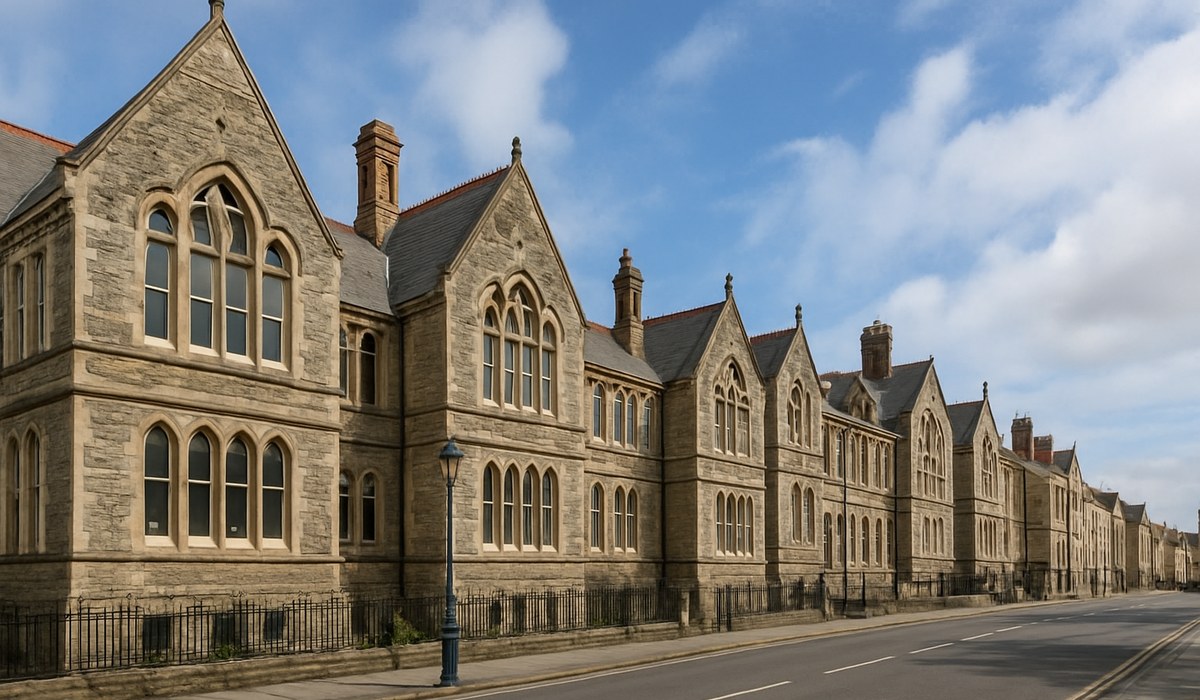
Image generated by AI
Plymouth's Victorian Educational Districts Enter New Era of Heritage Preservation in 2026
Plymouth's iconic Union Street is undergoing a transformative preservation campaign that promises to reshape how travelers experience the city's architectural heritage. Launched in March 2026, the initiative targets the restoration of Victorian-era educational landmarks that define the street's character, establishing it as a premier destination for architectural tourism and heritage conservation education.
Local preservation authorities and heritage organizations have partnered to revitalize approximately 12 major Victorian structures along Union Street's 1.2-mile corridor. The project combines adaptive reuse strategies with historically accurate restoration techniques, ensuring these educational and institutional buildings remain functional while maintaining their 19th-century architectural integrity.
The scope of work addresses both exterior facade restoration and interior preservation, with particular emphasis on original architectural details, period-appropriate glazing systems, and structural stabilization.
The Victorian Educational Legacy Along Union Street
Union Street's architectural story reflects Plymouth's evolution as a center for learning and civic development during the Victorian era. The street features a remarkable concentration of educational institutions built between 1850 and 1900, including former academies, professional colleges, and public libraries that showcase distinctive period characteristics.
These buildings exemplify High Victorian and Late Victorian architectural styles, featuring elaborate brickwork, decorative stone detailing, ornamental iron railings, and distinctive rooflines. Many structures incorporate Gothic Revival elements, a hallmark of institutional architecture during this period. The educational purpose of these buildings informed their design—tall windows for natural lighting in classrooms, robust construction for durability, and prominent public facades reflecting their civic importance.
The preservation challenge lies in balancing heritage authenticity with contemporary accessibility requirements. Modern building codes, accessibility standards, and infrastructure demands must be integrated without compromising the historical fabric that makes these structures architecturally significant.
2026 Preservation Initiative: Scope and Objectives
The multi-phase preservation program represents a £4.2 million investment spread across three years. Phase One, launching in 2026, focuses on the five most at-risk structures requiring immediate structural intervention and facade stabilization.
Key objectives include:
- Comprehensive masonry repointing using lime-based mortars matching original specifications
- Restoration of 200+ sash windows to working condition with period glass replacements
- Structural reinforcement of floor systems while preserving original timber joists
- Installation of sympathetic mechanical systems housed within existing service areas
- Creation of new public interpretation and educational programming
Heritage-led tourism development represents a secondary but significant objective. The initiative seeks to position Plymouth's Union Street alongside other major Victorian heritage corridors in the United Kingdom, attracting architectural historians, preservation professionals, and cultural tourists.
What This Means for Travelers
Enhanced Visitor Experience
The preservation initiative creates multiple new opportunities for travelers interested in architectural heritage and Victorian history. Union Street will feature interpretive signage, guided walking tours, and newly accessible heritage spaces hosting educational exhibitions. Several restored buildings are being converted into micro-museums, artisan workshops, and heritage tourism facilities.
Accessibility and Infrastructure Improvements
Street-level enhancements include improved pedestrian pathways, wayfinding signage, and accessibility features that enable travelers with varying mobility levels to explore the historic corridor. New public spaces integrate heritage interpretation with contemporary amenities—seating areas, public restrooms, and Wi-Fi connectivity support extended visits.
Economic and Cultural Development
The preservation investment catalyzes broader urban regeneration. Historic building reuse creates boutique accommodations, specialty restaurants, gallery spaces, and heritage-focused retail operations. These businesses offer travelers curated experiences connected to Plymouth's architectural narrative and Victorian-era history.
Travel Timing Considerations
The project timeline suggests optimal visiting windows. Spring 2026 through autumn 2026 provides access to completion milestones and celebration events. Full infrastructure completion is projected for late 2027, but individual buildings become accessible throughout the period as restoration phases conclude.
Preservation Standards and Heritage Designation
The project operates under stringent heritage management frameworks. Union Street buildings maintain Grade II Listed Building status, requiring all alterations to comply with Historic England standards and local conservation area policies. An appointed heritage architect oversees all interventions, ensuring decisions prioritize historical accuracy and architectural integrity.
Material specifications require particular attention—replacement bricks match original clay composition, stone repairs use salvaged materials when possible, and modern interventions employ reversible techniques. This conservation philosophy ensures future generations can restore structures to different standards if desired, without permanent alteration to original fabric.
Associated Community and Educational Programs
The preservation initiative extends beyond physical restoration to encompass community engagement and educational development. Universities and heritage organizations offer workshops teaching traditional restoration crafts—lime plastering, traditional glazing, ornamental plasterwork, and masonry techniques. These programs attract heritage professionals, conservators, and enthusiasts interested in traditional building practices.
Public programming includes architectural walking tours led by heritage specialists, talks by preservation engineers, and exhibitions exploring Victorian Plymouth's social and institutional history. Educational partnerships with schools establish pipelines for careers in heritage conservation, architecture, and museum curation.
Comparative Preservation Data: Similar UK Heritage Initiatives
| Initiative | Location | Investment | Timeline | Primary Focus | Est. Annual Visitors |
|---|---|---|---|---|---|
| Union Street Revival | Plymouth | £4.2M | 2026-2029 | Victorian Educational | 85,000+ |
| Temple Bar Project | Dublin | €140M | 1991-2020 | Mixed Heritage | 12M+ |
| Northern Quarter | Manchester | £2.8M | 2019-2025 | Industrial Victorian | 120,000+ |
| Cotswold Conservation | Cirencester | £1.9M | 2022-2028 | Georgian/Victorian | 45,000+ |
| Baltic Triangle | Liverpool | £3.6M | 2015-2027 | Industrial Heritage | 95,000+ |
Traveler Practical Information
Best Times to Visit During Restoration:
- Spring 2026: Initial facade work visible; street atmosphere active
- Summer 2026: Peak accessible hours; heritage programming expanded
- Autumn 2026-Spring 2027: Major structural work may impact certain areas
Getting There: Union Street is centrally located in Plymouth city center, accessible via bus, rail, and parking facilities. Modern transit infrastructure connects the heritage corridor with accommodation, dining, and other attractions.
Recommended Experience Duration: Plan 3-4 hours for comprehensive exploration including walking tour, museum visits, and interpretive stops. Individual building tours average 45-60 minutes.
Frequently Asked Questions
Q: Will construction disruptions affect visitor access during 2026? A: The project design maintains public access throughout, with selective closures rotating across buildings. Heritage authorities prioritize visitor safety while preserving street-level activity.
Q: Are guided tours available during the restoration period? A: Yes. Heritage-led walking tours operate throughout phases one and two, with guides providing context about visible restoration work and historical significance.
Q: What's the cost for accessing heritage spaces and exhibitions? A: Individual building tours range £4-8. Combined heritage passes offering access to all sites are priced at £18-22. Educational groups receive discounts of 20-30%.
Q: Can I photograph the buildings and architectural details? A: Exterior and public interior photography is permitted. Commercial use requires prior authorization from heritage authorities.
Q: Will the initiative affect local dining and accommodation options? A: The project actually stimulates new hospitality development, with several restored buildings becoming boutique hotels and heritage-themed restaurants. Advanced booking is recommended for peak seasons.
Looking Forward: Heritage Tourism Catalyst
Plymouth's Union Street preservation initiative represents a significant investment in architectural conservation combined with experiential tourism development. By restoring Victorian educational landmarks while creating contemporary heritage tourism infrastructure, the project demonstrates how preservation generates economic value, community pride, and authentic travel experiences.
For architectural enthusiasts, heritage professionals, and cultural travelers, Union Street will offer unparalleled access to Victorian institutional design, traditional preservation techniques, and the historical narratives embedded within 19th-century educational architecture. The 2026 launch marks the beginning of Plymouth's transformation into a premier heritage tourism destination, positioning restored buildings alongside natural attractions and naval history to create comprehensive visitor experiences.
The preservation success will likely inspire similar heritage initiatives across the Southwest, establishing Plymouth as a model for reconciling architectural conservation with contemporary travel experiences and economic development.
Disclaimer
This article is for informational and educational purposes only. It does not constitute legal, financial, or professional advice. While we strive to provide accurate and up-to-date information, travel policies, regulations, and conditions change rapidly. Always verify information with official sources before making travel decisions. Nomad Lawyer makes no representations about the accuracy, reliability, completeness, or suitability of the information provided. Readers should consult qualified professionals for advice specific to their circumstances. The views expressed in this article are those of the author and do not necessarily reflect the views of Nomad Lawyer.
Kunal K Choudhary
Co-Founder & Contributor
A passionate traveller and tech enthusiast. Kunal contributes to the vision and growth of Nomad Lawyer, bringing fresh perspectives and driving the community forward.
Learn more about our team →