
Travel Business Tourism Hits $1 Trillion: Why In-Person Experiences Matter Now
Global travel business tourism spending surges past $1 trillion in 2026 as companies and leisure travelers prioritize face-to-face meetings and experiential travel over remote alternatives.

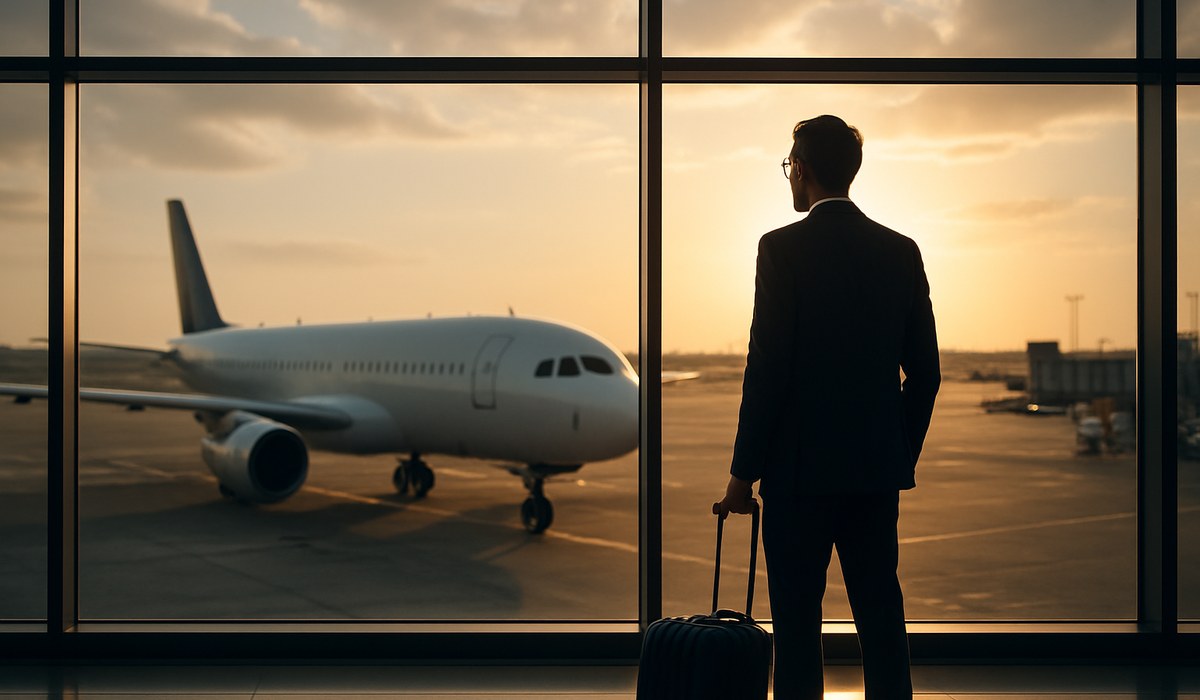
Image generated by AI
Global Travel Business Tourism Crosses $1 Trillion Milestone
Global travel business tourism spending has surged past $1 trillion for the first time in 2026. This unprecedented growth reflects a decisive shift: corporations and individual travelers are abandoning remote-only strategies in favor of meaningful in-person connections. The surge encompasses corporate conferences, business travel, destination meetings, and leisure tourism combined.
The $1 trillion threshold represents a 34% increase from 2023 levels. Major international airport hubs—including Singapore (SIN), London Heathrow (LHR), and Dubai (DXB)—report record passenger volumes and corporate flight bookings. Airlines, hotels, and destination marketing organizations have collectively invested billions to meet this demand surge.
What drives this historic acceleration? Companies recognize that hybrid work models require periodic in-person alignment. Travelers demand authentic experiences over passive consumption. The convergence of these forces has created the most robust travel spending cycle in modern history.
Corporate Travel Rebound Drives Record Conference Attendance
Corporate travel budgets have rebounded to 120% of pre-pandemic levels, according to global financial tracking data. Major enterprises now allocate dedicated funds for quarterly in-person strategy meetings, annual conferences, and client relationship events. Fortune 500 companies report that face-to-face interactions close deals 40% faster than virtual alternatives.
International conference tourism has become a primary economic driver. Cities like Barcelona, Singapore, and Las Vegas host back-to-back mega-conferences attracting 50,000+ attendees per event. Business travelers stay longer, extending weekends for leisure exploration—a trend called "bleisure" that amplifies overall spending surges.
Airlines have responded by adding premium cabin capacity on major corporate routes. Business-class fares command higher margins, allowing carriers to expand service frequency and invest in airport lounge infrastructure improvements. This cycle reinforces the growth trends visible across the entire travel business tourism sector.
Experiential Travel and Destination Events Transform Tourism Spending
Leisure travelers now prioritize meaningful experiences over traditional sightseeing. Wine tastings in Napa Valley, cooking classes in Bangkok, and cultural festivals across Europe attract premium-paying visitors willing to spend 2–3× traditional vacation budgets. This experiential shift elevates average tourist spending per destination visit.
Destination events—from Cannes Film Festival to Art Basel Miami Beach—drive concentrated tourism spending surges during event seasons. Cities strategically schedule conventions, sports tournaments, and cultural festivals to maximize visitor volume and per-visitor revenue. The strategy works: event-based tourism now contributes $285 billion to global travel business tourism annually.
Tour operators and destination management companies have launched specialized experiential travel packages emphasizing local authenticity. Boutique hotel groups, adventure travel companies, and culinary tourism specialists report 2–3 year waitlists for flagship offerings. This demand concentration demonstrates that travelers view premium experiences as essential investments, not discretionary expenses.
Technology Infrastructure Investment Enables Seamless Global Travel
Travel technology platforms—from booking engines to real-time visa status trackers—have received $87 billion in venture capital funding since 2024. These investments streamline the entire travel business tourism ecosystem, reducing friction for corporate and leisure travelers alike.
Digital innovation has accelerated booking speed, improved payment processing across 150+ currencies, and created unified loyalty platforms. Major hotel groups like Marriott International and airlines operating code-share partnerships now offer integrated reservation systems. Artificial intelligence powers personalized travel recommendations, increasing booking conversion rates by 28%.
Mobile-first travel apps have transformed destination discovery and on-trip planning. Real-time translation features, dynamic pricing algorithms, and predictive customer service chatbots enhance traveler satisfaction. This technological backbone enables the smooth operations required to handle $1 trillion in annual travel business tourism transactions.
Key Travel Business Tourism Metrics (2026)
| Metric | 2026 Figure | Change from 2023 | Primary Driver |
|---|---|---|---|
| Global travel spending | $1.03 trillion | +34% | Corporate rebound + leisure demand |
| International arrivals | 1.41 billion travelers | +22% | Visa simplification + remote work flexibility |
| Average business trip duration | 6.2 days | +1.8 days | Bleisure extension |
| Corporate conference attendance | 847 million participants | +41% | In-person meeting mandate adoption |
| Premium cabin bookings | 287 million seats | +56% | Business traveler spending surge |
| Destination experience spending | $285 billion | +89% | Experiential travel preference |
What This Means for Travelers in 2026
The $1 trillion spending surge creates both opportunities and challenges for individual travelers planning trips this year:
Book Early and Flexible. Premium accommodation, business-class airfare, and conference spots fill rapidly. Reserve main trips 8–12 weeks in advance. Build optional 2–3 day extensions (bleisure days) into itineraries—hotels offer discounted rates for longer stays beyond corporate meeting blocks.
Leverage Corporate Event Calendars. Major conferences (Web Summit in Lisbon, SXSW in Austin, CES in Las Vegas) attract significant visitor volume. Plan leisure travel either immediately before or after events to access discounted airfare and avoid peak hotel pricing during peak demand windows.
Invest in Premium Experiences Over Bulk Activities. Authentic cooking classes in Chiang Mai, private wine tours in Bordeaux, and boutique cultural excursions command premium pricing but deliver ROI through unforgettable memories. These experiential bookings fill faster than standard sightseeing packages.
Use Travel Technology Tools. Mobile apps now offer real-time flight alerts, dynamic hotel pricing comparisons, and AI-powered itinerary planning. Download translation apps, currency converters, and airline apps before departure to reduce on-trip friction.
Consider Off-Peak Destination Alternatives. Secondary cities—Lisbon, Barcelona, Singapore, Dubai—offer comparable experiences to primary hubs with 15–25% lower costs. These emerging destinations attract overflow traffic from saturated luxury hotspots.
FAQ: Travel Business Tourism Spending Surge 2026
What explains the jump to $1 trillion in global travel business tourism spending? Companies have prioritized in-person meetings post-remote work transition. Individual travelers demand authentic experiences and are spending 40% more per trip. Infrastructure investments in digital booking systems reduced barriers to travel. Combined corporate rebound, leisure demand recovery, and technological enablement drove the trillion-dollar threshold.
How does travel business tourism spending growth affect travelers planning trips in 2026? Premium accommodation and airfare cost more due to high demand. However, increased competition among providers creates discount opportunities during shoulder seasons. Business travelers extending bleisure days create hotel package discounts. Savvy travelers booking 8–12 weeks ahead access better rates while securing preferred accommodations.
Will travel business tourism spending remain elevated through 2027? Industry forecasts project 12–18% annual growth through 2028. Corporate travel appears structural (quarterly in-person mandates). Leisure travel demand remains strong as experiential tourism becomes lifestyle priority rather than occasional luxury. Economists predict $1.15–$1.25 trillion spending by year-end 2026.
Which destinations benefit most from the travel business tourism surge? Gateway cities (Singapore, London, Dubai, Frankfurt) see highest volume growth. Secondary metros (Lisbon, Barcelona, Bangkok, Mexico City) attract experiential travelers seeking authentic experiences. Seasonal event-based destinations (Cannes, Davos, Venice) command premium pricing during festival periods. Regional expansion ensures no single destination monopolizes the trillion-dollar market.
Related Travel Guides
Corporate Travel Trends and Business Event Planning for 2026
Best Experiential Destinations for Luxury Travelers
Airport Hub Guide: Navigating Global Travel Hubs Efficiently
Disclaimer
Disclaimer
This article is for informational and educational purposes only. It does not constitute legal, financial, or professional advice. While we strive to provide accurate and up-to-date information, travel policies, regulations, and conditions change rapidly. Always verify information with official sources before making travel decisions. Nomad Lawyer makes no representations about the accuracy, reliability, completeness, or suitability of the information provided. Readers should consult qualified professionals for advice specific to their circumstances. The views expressed in this article are those of the author and do not necessarily reflect the views of Nomad Lawyer.
Raushan Kumar
Founder & Lead Developer
Full-stack developer with 11+ years of experience and a passionate traveller. Raushan built Nomad Lawyer from the ground up with a vision to create the best travel and law experience on the web.
Learn more about our team →