
Costa Cruises Reshapes Americas Strategy With New Caribbean Hubs
Costa Cruises accelerates its Americas expansion, shifting Caribbean departures to the Dominican Republic and appointing new leadership.
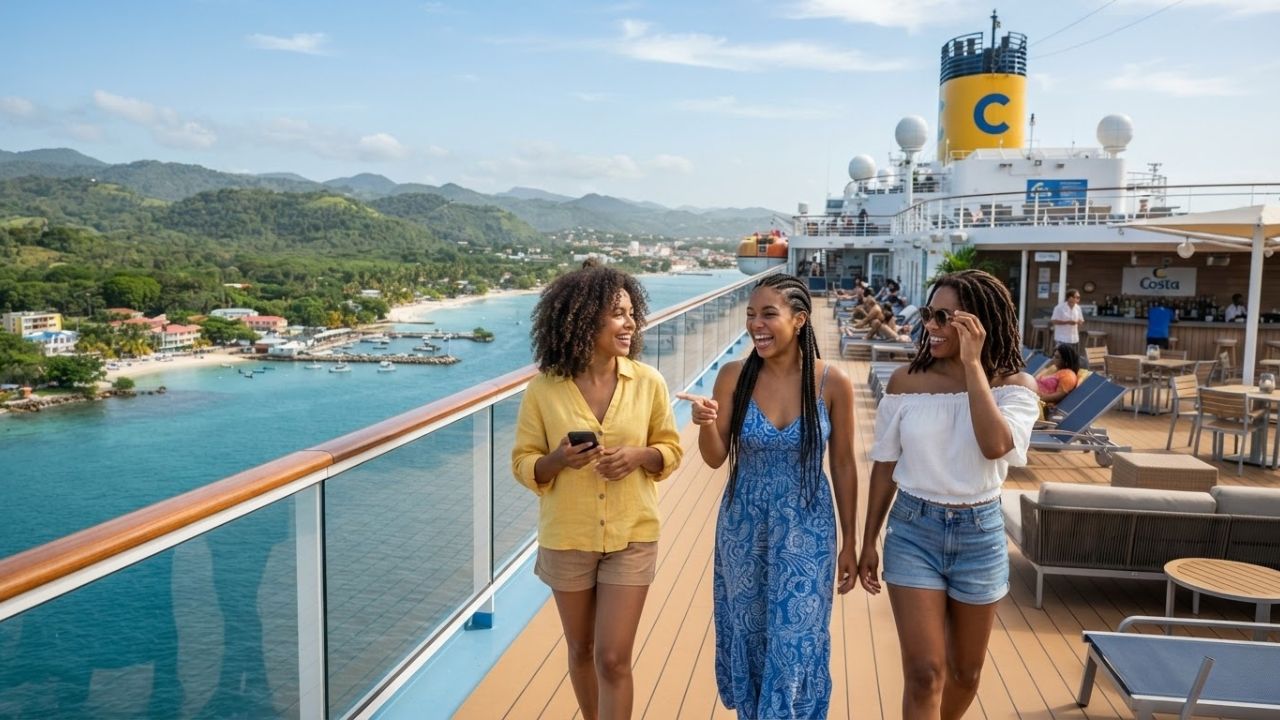
Image generated by AI
Costa Cruises is reshaping its Americas operations, appointing Dario Rustico to lead its commercial strategy and shifting key Caribbean departures to the Dominican Republic. By utilizing ports in La Romana and Santo Domingo, the Italian brand aims to diversify itineraries beyond traditional Florida ports and capture growing North American demand.
Americas Strategy: Leadership Focus and the European Experience
The travel sector in maritime cruising is experiencing a transition as planners build regional destinations to diversify visitor experiences. In August 2026, the structural reorganization of the Americas division is offering travelers a sustainable option that highlights international cruise options.
By establishing these seasonal travel corridors, the airline's management aims to support both business and leisure travel flows. Corporate travelers and travel agencies, which maintain strong relationships with global destination management organizations, benefit from direct seat capacity. This economic integration supports the travel sector, providing service providers with a reliable channel for high-value bookings.
By establishing these seasonal travel corridors, the airline's management aims to support both business and leisure travel flows. Canadian corporate travelers and travel agencies, which maintain strong relationships with European and Asian destination management organizations, would benefit from direct seat capacity. This economic integration supports the travel sector, providing service providers with a reliable channel for high-value bookings.
By establishing these seasonal travel corridors, the airline's management aims to support both business and leisure travel flows. Canadian corporate travelers and travel agencies, which maintain strong relationships with European and Asian destination management organizations, would benefit from direct seat capacity. This economic integration supports the travel sector, providing service providers with a reliable channel for high-value bookings.
By establishing these seasonal travel corridors, the airline's management aims to support both business and leisure travel flows. Canadian corporate travelers and travel agencies, which maintain strong relationships with European and Asian destination management organizations, would benefit from direct seat capacity. This economic integration supports the travel sector, providing service providers with a reliable channel for high-value bookings.
By establishing these seasonal travel corridors, the airline's management aims to support both business and leisure travel flows. Canadian corporate travelers and travel agencies, which maintain strong relationships with European and Asian destination management organizations, would benefit from direct seat capacity. This economic integration supports the travel sector, providing service providers with a reliable channel for high-value bookings.
By establishing these seasonal travel corridors, the airline's management aims to support both business and leisure travel flows. Canadian corporate travelers and travel agencies, which maintain strong relationships with European and Asian destination management organizations, would benefit from direct seat capacity. This economic integration supports the travel sector, providing service providers with a reliable channel for high-value bookings.
Dario Rustico guides commercial operations across North and South America for Costa Cruises.
Costa Cruises, headquartered in Genoa, Italy, utilizes its 70-year history and Italian heritage as its primary differentiator. The brand is part of Carnival Corporation's global portfolio, promoting a multicultural onboard environment to attract guests seeking a European-inspired cruise style rather than traditional domestic options.
Caribbean Diversification: Dominican Republic and Guadeloupe Ports
Developing alternative port itineraries helps cruise lines expand their regional travel routes.
This localized disruption also offers a unique opportunity for duty-free retailers and terminal operators to design services suited for stranded passengers. By monitoring passenger comfort levels during long delays, airport customer teams can provide complimentary amenities to ensure guest satisfaction. This proactive approach helps build traveler confidence, ensuring that regional transit routes remain competitive with global hub standards.
This localized disruption also offers a unique opportunity for duty-free retailers and terminal operators to design services suited for stranded passengers. By monitoring passenger comfort levels during long delays, airport customer teams can provide complimentary amenities to ensure guest satisfaction. This proactive approach helps build traveler confidence, ensuring that regional transit routes remain competitive with global hub standards.
The cruise brand shifts itineraries to depart from the Dominican Republic and Guadeloupe.
Instead of focusing on Florida ports like Miami and Fort Lauderdale, Costa operates routes from La Romana, Santo Domingo, and Guadeloupe. This gives guests options to combine sea voyages with land excursions in Santo Domingo's historic colonial district or the beach resorts of Punta Cana.
Digital Enablement: Educational Programs for Travel Advisors
Advanced reservation portals and digital education help streamline booking paths for agents.
This environmental focus is supported by regional climatologists and conservationists who monitor ecosystem health. By tracking tourist footprint signals, managers can ensure that natural areas remain protected. The integration of carrying-capacity policies with wilderness trails demonstrates how tourism planning can protect biodiversity while offering high-quality educational hikes.
This localized culinary focus also offers a unique opportunity for restaurant associations and culinary schools to design programs suited for premium travelers. By monitoring traveler culinary preferences during long stays, local chefs can provide customized dishes to ensure guest satisfaction. This proactive approach helps build traveler confidence, ensuring that Goan coastal dining remains competitive with global culinary standards.
This localized culinary focus also offers a unique opportunity for restaurant associations and culinary schools to design programs suited for premium travelers. By monitoring traveler culinary preferences during long stays, local chefs can provide customized dishes to ensure guest satisfaction. This proactive approach helps build traveler confidence, ensuring that Goan coastal dining remains competitive with global culinary standards.
The updated Costa Extra travel advisor platform provides access to real-time sales resources.
Complementing this portal, the Costa Cruisetelling digital education program teaches travel professionals about the company's onboard amenities. The brand also uses its Sea & Land program to link shipboard dining and activities directly with local port communities.
Community Support and Sustainable Cruise Practices
Directing cruise passenger spending to local businesses supports the regional economy.
For the visitor, the real impact is utilizing shore excursions that buy directly from independent artisans, municipal tour organizations, and local taxi fleets.
Sustainable initiatives include reducing waste in sensitive Caribbean ports, utilizing shore power connections, and supporting environmental protection programs in host nations.
Visitor Guide: Local Specialties, Port Transit, and Booking Rules
Coordinating port arrivals and exploring Caribbean districts involves planning shuttle connections, using advisor platforms, and trying regional foods.
Sample traditional culinary specialties during your stay. Savor Dominican La Bandera, a lunch plate of white rice, red beans, and stewed meat. Try fresh garlic-mashed Mofongo with pork cracklings and regional fruit juices.
Coordinate your local transport. Fly to Las Américas International Airport (SDQ) in Santo Domingo or La Romana International Airport (LRM). Take a municipal taxi or shuttle directly to the cruise terminal.
Observe booking guidelines and boarding rules. Confirm flight-to-port transfer schedules using the Costa Extra portal before departure. Bring physical copies of your cruise documents. Passports must have at least 6 months of validity.
Future Outlook: Rebuilding a Resilient Maritime Tourism Corridor
The long-term development of cruise tourism depends on integrating transport corridors with regional planning. Ship operators and tourist boards are collaborating to support regional travel pipelines.
Sustainable initiatives include building low-emission shuttle links, promoting eco-friendly guesthouses, and introducing cultural heritage guides. By combining smart visitor management with traditional agricultural preservation, the region aims to support travel innovation, securing a resilient and connected future for Central Europe's mountain communities.
Related Travel Guides
Disclaimer
This article is for informational and educational purposes only. It does not constitute legal, financial, or professional advice. While we strive to provide accurate and up-to-date information, travel policies, regulations, and conditions change rapidly. Always verify information with official sources before making travel decisions. Nomad Lawyer makes no representations about the accuracy, reliability, completeness, or suitability of the information provided. Readers should consult qualified professionals for advice specific to their circumstances. The views expressed in this article are those of the author and do not necessarily reflect the views of Nomad Lawyer.