
Tokyo's Experiential Travel Revolution: How Japan's Capital Is Redefining Luxury Tourism in 2026
Tokyo is sparking a global shift away from generic tourism toward authentic, immersive cultural experiences that reshape how travelers explore the world in 2026.

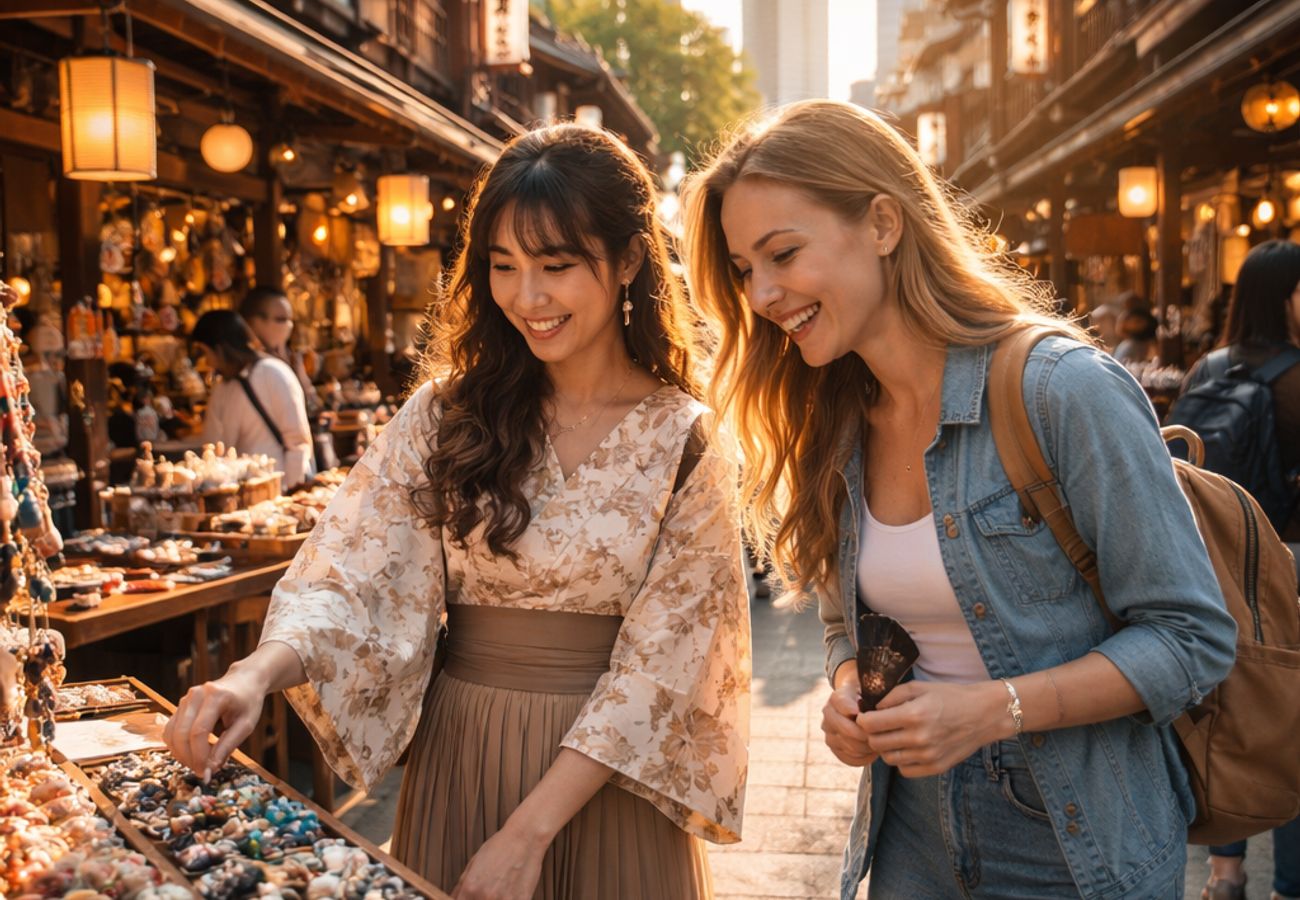
Image generated by AI
The Global Shift: From Tourist Traps to Authentic Encounters
The international travel industry is witnessing a seismic transformation. Travelers worldwide are abandoning pre-packaged itineraries and generic landmarks in favor of genuine, life-altering cultural connections. Tokyo sits at the epicenter of this movement, where adventurers now venture into quiet residential alleys, neighborhood gathering spaces, and hidden culinary gems rather than queuing at famous temples or observation decks.
This behavioral shift represents something fundamental about modern leisure travel. Reddit: "I spent three weeks in Tokyo avoiding every major tourist attraction. Best decision ever—I actually felt like I understood the city instead of just photographing it." — r/travel
The data backs this up. Tourism analysts tracking global vacation patterns notice that Tokyo's magnetic pull no longer rests on iconic commercial landmarks alone. Instead, the city thrives by weaving temporary visitors into the authentic fabric of everyday local life—a strategic approach now being studied by destination management organizations across Europe, Asia, and the Americas.
How Tokyo Became the Blueprint for Sustainable Urban Tourism
Metropolitan Tokyo has transformed itself into a masterclass in managing millions of international arrivals without eroding community character. The city accomplishes this by prioritizing cultural preservation alongside modern urban development—a balance that forces other competitive destinations to completely reevaluate their approach to tourism.
When municipal governments observe that foreign capital flows directly into preserved historical neighborhoods rather than newly constructed mega-malls, they are incentivized to protect genuine heritage. This structural change creates what tourism strategists call an "equitable tourism loop," where international visitor spending directly subsidizes long-term protection of a city's distinct cultural identity.
The cascading effects are profound. Cities worldwide are now allocating resources differently, ensuring that public works and infrastructure updates are tailored to keep historic districts functional and attractive. This represents a permanent shift in how international travel destinations market themselves—moving away from generic promotional packages toward showcasing the micro-elements of authentic local life.
Golden Gai: How Historic Nightlife Enclaves Command Global Fascination
Few neighborhoods better illustrate this transformation than Golden Gai, Tokyo's tightly clustered micro-district of narrow passageways and compact wooden structures. This vintage enclave functions as an active historical archive, where international wanderers escape the standardized luxury of massive commercial entertainment complexes.
Within these remarkably intimate venues—often operated by single proprietors for multiple decades—foreign guests and local citizens engage in profound cross-cultural dialogue impossible to replicate in sprawling hotels or entertainment megaplexes. Each independent establishment presents a unique social sanctuary, transforming ordinary evenings into meaningful human connections.
The long-term financial viability of these tiny venues offers a crucial lesson: preservation yields massive economic returns. Tourism strategists frequently cite Golden Gai's architectural integrity as a prime example of how strict zoning regulations protect vulnerable cultural assets while improving overall travel quality. This protective methodology now serves as a blueprint for historic preservation campaigns across major metropolitan hubs worldwide.
The universal fascination with this district reveals what modern travelers truly value: raw emotional authenticity outweighs traditional tourist attractions. As affluent, culturally curious demographics increasingly ignore tourist traps in favor of historically rich environments, safeguarding vintage neighborhoods becomes an indispensable economic strategy.
Engineering Marvels Meet Urban Landscape Context
Modern architectural masterpieces continue shaping Tokyo's visual identity, with structures like Tokyo Skytree providing unhindered 360-degree panoramic views across thousands of square miles. These high-altitude observation platforms serve as vital geographic anchors, allowing first-time travelers to comprehend the immense physical scale of the metropolis spreading far below.
The experience from these sky-high vantage points reveals something that ground-level tourism cannot: the striking juxtaposition of modern glass towers standing beside ancient residential zones. This visual contrast perfectly embodies Tokyo's fundamental appeal—a destination where cutting-edge infrastructure coexists with centuries-old cultural traditions.
Rather than viewing these architectural achievements as primary attractions, contemporary travelers increasingly see them as tools for understanding urban context. The Skytree or similar high-rise observation points help international visitors mentally map the city's distinct neighborhoods, which they then explore on foot seeking authentic local interactions.
Why Personalized Journeys Spark Self-Realization and Loyalty
The shift toward experiential travel reflects a deeper human craving for self-realization through cultural exploration. Modern vacationers demand personalized journeys that challenge their perspectives and expand their worldviews—precisely what Tokyo delivers through neighborhood immersion rather than package-tour convenience.
This evolution has generated sweeping financial advantages rippling across international aviation networks, multinational hospitality companies, local culinary sectors, and small neighborhood communities. Airlines report increased booking volumes to Tokyo specifically for extended stays rather than short urban breaks, while boutique accommodation providers thrive catering to travelers seeking localized neighborhood bases.
International visitor expenditure data shows that travelers spending time in historic districts and neighborhood restaurants generate higher overall spending than those following standardized tourist itineraries. Local communities benefit directly from this model, creating economic incentives for cultural preservation that transcend governmental mandates.
The Ripple Effect: Global Destinations Respond to Tokyo's Success
Competitive vacation destinations across multiple continents now face pressure to completely reevaluate their regional assets. The Tokyo model demonstrates that cities cannot simply construct new attractions and expect affluent travelers—they must actively showcase how everyday infrastructure, neighborhood character, and cultural authenticity serve as primary international tourism attractions.
This shift requires fundamental changes in how destination marketing organizations operate. Rather than producing generic brochures emphasizing "top 10 must-see landmarks," cities must now tell nuanced stories about neighborhood life, local cuisine traditions, and cultural preservation efforts. The travel industry is learning that transparency about authentic local life proves far more compelling than polished commercial messaging.
Metropolitan governments worldwide are observing Tokyo's success and implementing similar strategies. Historic districts receive increased investment. Local business owners receive support maintaining authentic establishments. Community leaders gain voice in tourism planning decisions. The result: sustainable tourism models that benefit residents, travelers, and local economies simultaneously.
What This Means for Your Next International Journey
The experiential travel boom fundamentally changes how you should approach international exploration. Rather than booking all-inclusive packages with scheduled photo stops, consider longer stays in single cities with neighborhood-based accommodations. Walk residential streets. Eat where locals eat. Engage in genuine conversation rather than transactional tourism.
Tokyo proves this approach yields incomparably richer travel experiences. As more global travelers embrace this methodology, competitive destinations will be forced to invest in cultural preservation, neighborhood authenticity, and local community partnerships. The age of sterile, commercialized tourism is fading.
The cities that thrive in 2026 and beyond will be those that recognize a fundamental truth: travelers increasingly value authentic human connection over architectural grandeur, cultural understanding over sightseeing efficiency, and meaningful local engagement over packaged convenience.
Tokyo isn't just redefining luxury tourism—it's redefining why we travel at all.
Related Travel Guides
Tourism Plans Scale Back: U.S. Reverses Social Media Collection Policy
Modi Launch Tourism: ₹67 Crore Heritage Modernization Across North Gujarat
Once Thriving Pocono Mountains Resorts Stand Abandoned in 2026
Disclaimer
This article is for informational and educational purposes only. It does not constitute legal, financial, or professional advice. While we strive to provide accurate and up-to-date information, travel policies, regulations, and conditions change rapidly. Always verify information with official sources before making travel decisions. Nomad Lawyer makes no representations about the accuracy, reliability, completeness, or suitability of the information provided. Readers should consult qualified professionals for advice specific to their circumstances. The views expressed in this article are those of the author and do not necessarily reflect the views of Nomad Lawyer.
Raushan Kumar
Founder & Lead Developer
Full-stack developer with 11+ years of experience and a passionate traveller. Raushan built Nomad Lawyer from the ground up with a vision to create the best travel and law experience on the web.
Learn more about our team →