
Modi Launch Tourism: ₹67 Crore Heritage Modernization Across North Gujarat
PM Modi inaugurates ₹67 crore tourism projects modernizing North Gujarat's heritage sites in 2026. Rani ki Vav and Vadnagar receive high-tech immersive experiences transforming visitor engagement across ancient landmarks.

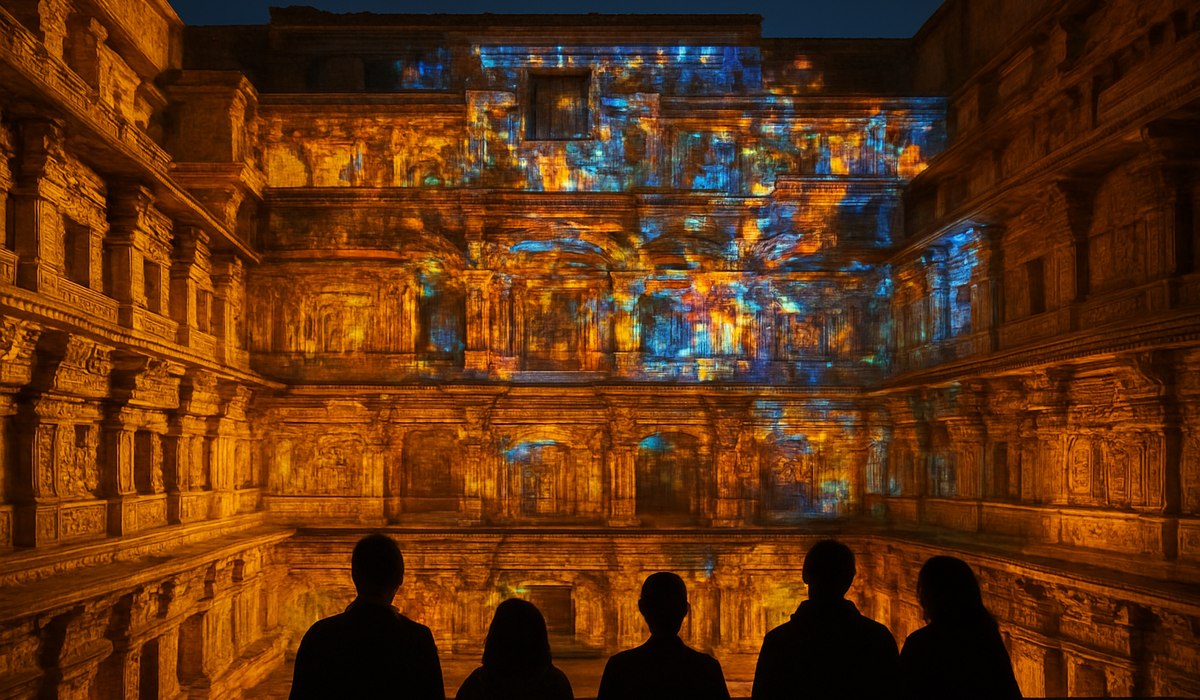
Image generated by AI
Historic Infrastructure Investment Transforms North Gujarat's Cultural Landscape
Prime Minister Narendra Modi will inaugurate heritage tourism projects valued at over ₹67 crore across North Gujarat on March 31, 2026. These ambitious initiatives target iconic destinations including Rani ki Vav, Vadnagar, and Balaram, integrating cutting-edge digital technology with centuries-old archaeological treasures. The modernization effort represents a significant advancement in India's cultural tourism infrastructure, positioning North Gujarat as a premier heritage destination for domestic and international travelers seeking immersive historical experiences.
Modi Launch Tourism: ₹67 Crore Heritage Sites Get High-Tech Makeover
The Modi launch tourism initiative focuses on transforming visitor experiences through projection mapping, light and sound shows, and advanced interpretive technologies. Rani ki Vav, the UNESCO World Heritage Site famous for its intricate stepwell architecture, will feature synchronized illumination systems that narrate the monument's 11th-century history. Vadnagar, an ancient city mentioned in Buddhist texts, receives enhanced navigation systems and interactive digital installations. These technological enhancements preserve historical authenticity while accommodating modern traveler expectations for engaging, multimedia-rich experiences.
The projects represent a paradigm shift in heritage conservation philosophy. Rather than maintaining sites in static preservation, authorities integrate living interpretations that educate visitors about regional dynasties, trade routes, and cultural significance. Local tourism boards expect visitor footfall to increase by 40-60 percent within the first year of completion. The investment demonstrates the Indian government's commitment to leveraging technology for heritage storytelling across underexplored cultural regions.
Visitor Experience Enhancements at Key North Gujarat Landmarks
Rani ki Vav's restoration includes specialized lighting choreography synchronized with audio narratives describing the stepwell's original functions, architectural innovations, and religious significance. Visitors can now access real-time multilingual information through augmented reality applications, transforming smartphone cameras into interactive guides. The projection mapping sequences operate during evening hours, creating immersive experiences that showcase the monument's sculptural details invisible to the naked eye.
Vadnagar's development incorporates smart wayfinding systems, heritage interpretation panels, and virtual reality installations demonstrating the city's historical prominence along ancient Silk Road trade networks. Balaram's infrastructure improvements address visitor comfort through improved amenities, parking facilities, and rest areas. These enhancements eliminate bottlenecks that previously discouraged extended heritage exploration.
The modernization strategy balances accessibility with conservation. Archaeological departments maintain strict oversight, ensuring technological installations don't damage original structures. International consultants collaborated with Indian heritage experts to establish protocols preventing environmental stress from increased visitor volumes. Sustainable tourism practices, including visitor quotas during peak seasons and designated walking routes, protect fragile archaeological remains while maximizing public access.
Travel Implications: What This Modi Launch Tourism Initiative Means for Heritage Explorers
The Modi launch tourism projects directly impact travel planning for heritage enthusiasts, digital nomads, and cultural tourists across India and Asia-Pacific regions. Enhanced technological infrastructure reduces interpretation barriers for non-specialist visitors, making ancient history accessible to families and casual travelers. Improved amenities and guided systems shorten learning curves for first-time heritage site visitors.
The initiatives create new itinerary opportunities. Previously disconnected monuments now form coherent heritage circuits combining Rani ki Vav, Vadnagar, and Balaram into multi-day exploration packages. Travel operators report growing interest in North Gujarat cultural tours, previously overshadowed by better-known sites in Rajasthan and South India. The tourism modernization simultaneously generates employment for local guides, hospitality professionals, and technology specialists, strengthening regional economies.
For digital nomads maintaining India-based travel bases, these enhanced heritage sites offer enriched workation destinations combining historical immersion with modern technological infrastructure. Coworking spaces and boutique accommodations emerging around these monuments provide reliable connectivity alongside cultural engagement opportunities previously unavailable in North Gujarat.
Key Data Table: Modi Launch Tourism Projects Overview
| Aspect | Details |
|---|---|
| Total Investment | ₹67 crore (approximately USD 8 million) |
| Primary Sites | Rani ki Vav, Vadnagar, Balaram |
| Technology Focus | Projection mapping, light shows, AR applications, smart wayfinding |
| Inauguration Date | March 31, 2026 |
| Expected Visitor Increase | 40-60% annual growth projection |
| Key Enhancement | Multilingual digital interpretations and evening immersive experiences |
| Conservation Approach | Technology integration without structural modifications |
| Regional Benefit | Enhanced tourism infrastructure across underutilized heritage circuit |
Actionable Takeaways for Heritage Travelers
1. Plan North Gujarat heritage visits during evening hours to experience the newly installed light and projection mapping shows at Rani ki Vav and Vadnagar, which operate during optimal viewing conditions after sunset.
2. Download mobile apps before visiting these sites to access augmented reality features that enhance understanding of architectural details, historical context, and artistic significance at each monument.
3. Allocate 3-4 days for comprehensive North Gujarat heritage exploration, utilizing improved visitor amenities and enhanced infrastructure that now support extended site engagement without fatigue.
4. Book accommodation near Balaram and Vadnagar in advance, as the completion of these tourism projects will substantially increase demand for heritage-adjacent lodging during peak seasons (October-March).
5. Engage professional heritage guides through official channels to complement technological interpretations with expert contextual knowledge about regional dynasties, architectural evolution, and cultural significance.
Frequently Asked Questions
Q: When do the light and sound shows operate at these heritage sites?
A: Evening performances typically begin at sunset, with multiple showings scheduled until 9:00 PM. Exact timings vary seasonally. Check official state tourism websites for current schedules before planning visits. Performances may be cancelled during monsoon season or special conservation periods.
Q: What's the entry fee structure for these modernized heritage sites?
A: Pricing hasn't been officially announced post-inauguration. Historically, North Gujarat heritage sites charge modest entry fees (₹50-200 per person), with potential premium charges for multimedia experiences. International visitors should verify current rates through official government tourism portals.
Q: Can the augmented reality features work offline or require continuous connectivity?
A: Most AR applications require initial download and periodic connectivity updates. Rural North Gujarat locations may experience inconsistent mobile networks. Download applications completely before visiting remote sites to ensure uninterrupted access to digital interpretations.
Q: Are these heritage sites accessible for travelers with mobility challenges?
A: The modernization initiative emphasizes universal accessibility. Improved pathways, resting areas, and accessible facilities now accommodate wheelchair users and elderly visitors. Contact site authorities directly to confirm specific accessibility features at each location.
Related Travel Guides
- Amsterdam Schiphol Leads European Aviation Chaos with Nearly 2,000 Flight Delays in 2026
- Fort Lauderdale Beach Park Parking Guide 2026: Rates, PayByPhone Zones, and Las Olas Garage Access
- Las Olas Beach vs Lauderdale-by-the-Sea: Comparing Fort Lauderdale's Top Coastal Hubs in 2026
Disclaimer
This article reports developments announced by India's Ministry of Tourism regarding heritage site modernization projects in North Gujarat. Information reflects official announcements as of March 2026. Verify current visitor policies, operating hours, entry fees, and accessibility accommodations directly through the Gujarat State Tourism Board website and official monument authorities before planning visits. Technology features and visitor amenities may differ from descriptions pending final implementation. Always confirm travel arrangements, accommodation availability, and transportation routes with local service
Disclaimer
This article is for informational and educational purposes only. It does not constitute legal, financial, or professional advice. While we strive to provide accurate and up-to-date information, travel policies, regulations, and conditions change rapidly. Always verify information with official sources before making travel decisions. Nomad Lawyer makes no representations about the accuracy, reliability, completeness, or suitability of the information provided. Readers should consult qualified professionals for advice specific to their circumstances. The views expressed in this article are those of the author and do not necessarily reflect the views of Nomad Lawyer.
Preeti Gunjan
Contributor & Community Manager
A passionate traveller and community builder. Preeti helps grow the Nomad Lawyer community, fostering engagement and bringing the reader experience to life.
Learn more about our team →