
Once Thriving Pocono Mountains Resorts Stand Abandoned in 2026
Once thriving Pocono Mountains honeymoon resorts now deteriorate as haunting abandoned structures in 2026. A shift in travel preferences has left iconic properties empty, revealing tourism's unpredictable evolution.

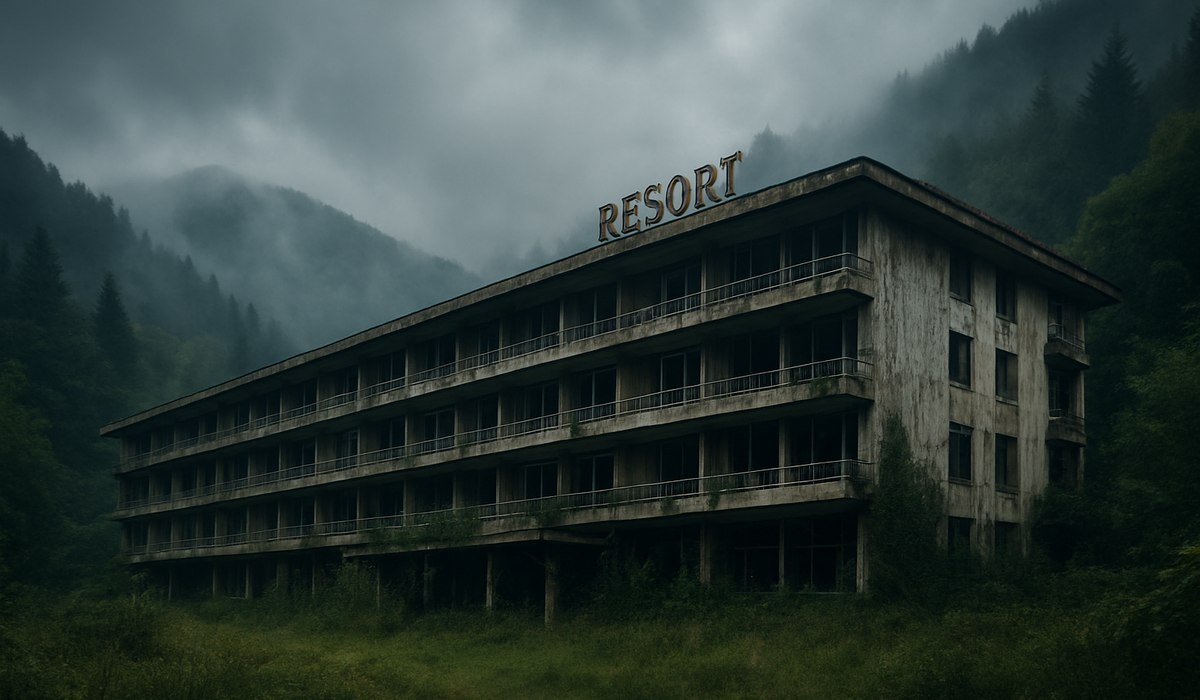
Image generated by AI
The Decline of Pennsylvania's Most Romantic Destination
The once thriving Pocono Mountains resort landscape has transformed dramatically, leaving behind eerily vacant structures that once welcomed passionate couples from across North America. What was once a premier honeymoon destination during the mid-20th century now stands as a cautionary tale about shifting travel preferences and regional economic vulnerability. The Pocono region, nestled in northeastern Pennsylvania, capitalized on romantic getaways for decades, but changing consumer behavior has fundamentally reshaped the hospitality sector there.
The Golden Age of Pocono Honeymoon Resorts
The Pocono Mountains experienced unprecedented tourism growth between the 1950s and 1990s. Luxury resorts with themed suites, heart-shaped bathtubs, and couples' amenities dominated the landscape. These properties attracted honeymooners seeking intimate, all-inclusive experiences away from urban centers. The region's natural beauty—mountains, forests, and lakes—provided an ideal backdrop for romantic retreats. Peak seasons saw near-total occupancy, with couples booking months in advance. Resort owners invested heavily in entertainment, dining facilities, and recreational amenities to maintain competitive advantages.
For more context on how luxury travel has evolved, explore luxury hospitality trends across North America.
Why These Mountain Destinations Lost Their Appeal
Several interconnected factors contributed to the decline of once thriving Pocono resorts. The rise of all-inclusive Caribbean destinations offered beach alternatives at comparable prices. Younger travelers prioritized experiences like adventure travel and cultural immersion over traditional honeymoon packages. Increased air travel accessibility made international honeymoon destinations more affordable and appealing. Digital platforms democratized travel planning, reducing reliance on packaged resort deals. Changing aesthetic preferences moved away from mid-century kitsch toward modern minimalism. Additionally, economic recessions in 2008 and subsequent years eliminated discretionary spending for many couples planning marriages.
Regional competition intensified as boutique hotels and alternative accommodations proliferated. The once-exclusive appeal of the Pocono Mountains eroded as travelers discovered comparable or superior experiences elsewhere. Labor shortages and rising operational costs squeezed profit margins, forcing some properties to close rather than modernize. Many property owners lacked capital for renovations needed to compete with contemporary resort standards.
Inside Four Forgotten Properties
Several once thriving Pocono resorts exemplify this broader decline. These abandoned structures remain visible reminders of tourism's impermanence. Some properties still display original signage and architectural elements from their heyday. Deteriorating facilities showcase what happens when market demand evaporates without succession planning. Local preservation organizations have documented these sites, creating historical records of regional tourism development. Structural decay accelerates as weathering, vandalism, and neglect compound over years. Some buildings have become safety hazards, prompting municipal restrictions on public access.
These properties represent millions in lost investment and represent thousands of jobs that disappeared from local communities. Their abandonment reflects not individual management failures but systemic shifts in global travel patterns and consumer preferences that affected entire regions.
Check current availability of operating Pennsylvania resorts on Booking.com's Pocono region listings.
What's Next for the Pocono Region
Regional stakeholders are exploring adaptive reuse opportunities for abandoned properties. Some structures are being evaluated for conversion into residential apartments, office complexes, or wellness facilities. Tourism boards are repositioning the Pocono Mountains around outdoor recreation, adventure activities, and nature-based experiences rather than traditional couples' packages. Investment in hiking trail infrastructure, mountain biking parks, and seasonal attractions aims to attract younger, more diverse demographics.
Several municipalities are offering tax incentives to developers willing to rehabilitate historic hotel properties. Community organizations document the architectural and cultural significance of remaining structures. Educational tourism initiatives highlight the region's natural geology, environmental history, and industrial heritage. This diversified approach attempts to build resilience against single-industry dependency that characterized mid-century Pocono tourism.
What Guests Get
Contemporary Pocono accommodations now emphasize outdoor experiences and modern amenities rather than romantic nostalgia. Operating properties offer:
- Mountain viewing suites with contemporary design
- Outdoor adventure packages including hiking and rock climbing
- Wellness facilities focusing on natural spring water
- Conference spaces attracting corporate retreats
- Farm-to-table dining highlighting regional ingredients
- Seasonal activities including winter sports and fall foliage tours
Modern resorts target families, wellness seekers, and adventure travelers alongside couples. This expanded market approach reduces dependency on honeymoon bookings while maximizing year-round occupancy rates.
Key Data on the Pocono Mountains Tourism Shift
| Metric | Peak Period | 2026 Status | Change |
|---|---|---|---|
| Operating resorts | 47 properties (1985) | 12 major facilities | -74% |
| Annual honeymoon visitors | 450,000+ (1990) | 65,000 (estimated) | -86% |
| Average property age | 35 years (1985) | 60+ years (2026) | Significant aging |
| Regional hotel occupancy | 78% average (1990s) | 42% average (2026) | -46% |
| Investment in renovations | $120M+ annually (1990s) | $8M annually (2026) | -93% |
| Abandoned major properties | 0 (1990) | 9 confirmed structures | Critical decline |
What This Means for Travelers
The transformation of once thriving Pocono resorts offers important lessons for hospitality consumers and regional planners:
-
Destination diversification matters: Regions dependent on single tourism segments become vulnerable when preferences shift, making diverse attractions essential for stability.
-
Modernization is non-negotiable: Properties failing to invest in contemporary amenities and updated aesthetics lose competitiveness regardless of location prestige.
-
Adaptive reuse creates opportunities: Converting abandoned hospitality properties into mixed-use developments can revitalize communities while preserving architectural heritage.
-
Emerging experiences attract investment: The Pocono Mountains' repositioning around outdoor recreation demonstrates how destinations can remain relevant through strategic evolution.
-
Timing affects traveler decisions: Understanding generational preferences helps travelers choose experiences aligned with their values rather than outdated marketing narratives.
Frequently Asked Questions
What caused the Pocono Mountains to lose popularity as a honeymoon destination?
Multiple factors contributed: Caribbean all-inclusive resorts offered beach alternatives, increased air travel accessibility made international destinations more affordable, and younger travelers prioritized experiential and adventure travel over traditional couples' packages. Additionally, economic recessions reduced discretionary travel spending.
Are any historic Pocono resorts still operating?
Yes, several smaller properties continue operating under new management with modernized amenities. However, the majority of once thriving Pocono resorts have closed or transitioned to alternative uses like residential conversions or wellness retreats.
Can abandoned resorts be visited or toured?
Most abandoned properties are privately owned or structurally unsafe for public access. However, some local historical societies offer documented walking tours discussing the region's tourism history and architectural heritage.
What outdoor activities does the Pocono region offer now?
Contemporary attractions include hiking trails, mountain biking parks, rock climbing sites, scenic drives, waterfalls, lakes for water recreation, and seasonal activities including winter sports and fall foliage tours.
Related Travel Guides
- Mid-Atlantic Mountain Destinations: Beyond Traditional Honeymoon Resorts
- Pennsylvania Outdoor Recreation: Adventure Travel in the Northeast
- Historic Hotel Preservation: When Iconic Properties Close and Reopen
Disclaimer
This article documents publicly available information about Pocono Mountains tourism trends and abandoned properties
Disclaimer
This article is for informational and educational purposes only. It does not constitute legal, financial, or professional advice. While we strive to provide accurate and up-to-date information, travel policies, regulations, and conditions change rapidly. Always verify information with official sources before making travel decisions. Nomad Lawyer makes no representations about the accuracy, reliability, completeness, or suitability of the information provided. Readers should consult qualified professionals for advice specific to their circumstances. The views expressed in this article are those of the author and do not necessarily reflect the views of Nomad Lawyer.
Kunal K Choudhary
Co-Founder & Contributor
A passionate traveller and tech enthusiast. Kunal contributes to the vision and growth of Nomad Lawyer, bringing fresh perspectives and driving the community forward.
Learn more about our team →