
US Tightens Grip on F-35 Fighter Jet Sales: Which Nations Face Export Restrictions
Breaking airline news and aviation industry updates for 2026.

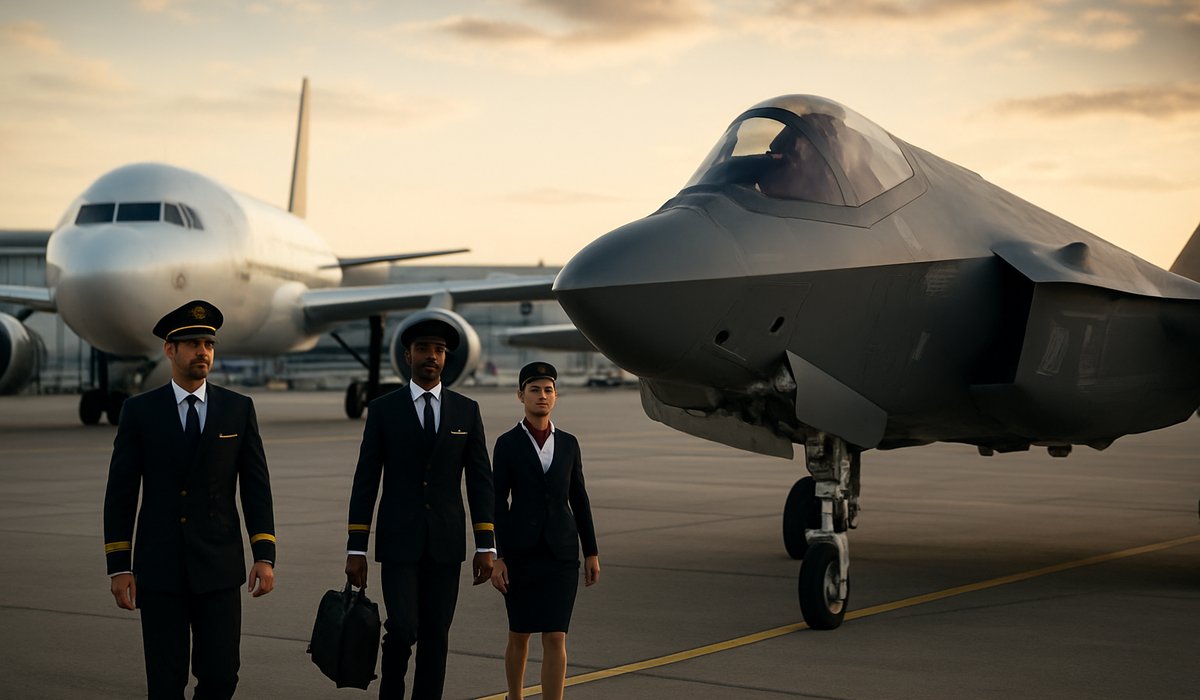
Image generated by AI
US Tightens Grip on F-35 Fighter Jet Sales: Which Nations Face Export Restrictions
Geopolitical tensions and strategic concerns reshape global arms trade as Washington enforces strict controls on advanced military technology
The Hidden Complexity Behind Fighter Jet Diplomacy
While the American defense industry aggressively markets cutting-edge weaponry across the globe, the reality of advanced fighter aircraft sales tells a markedly different story. The F-35 Lightning II—one of the world's most sophisticated combat platforms—remains subject to stringent export controls that far exceed typical commercial considerations. Rather than maximizing profits through indiscriminate sales, the United States government carefully curates which nations gain access to this transformative military technology, wielding aircraft sales as a potent diplomatic and strategic tool.
The sale of advanced fighter jets transcends ordinary commerce. These transactions sit at the volatile intersection of geopolitical rivalry, national security interests, and domestic political calculations. Washington's decision-making on F-35 exports reflects broader foreign policy objectives, regional power balancing, and concerns about technological proliferation to adversarial nations or unstable regimes.
Strategic Restrictions Reshape the Global Defense Market
The Pentagon and State Department maintain comprehensive lists of countries deemed ineligible for F-35 acquisition. These restrictions stem from multiple factors: allegations of human rights violations, regional instability, inadequate security protocols for protecting classified technology, or perceived alignment with rival powers. The criteria reveal how arms control remains fundamentally intertwined with geopolitical calculations rather than purely economic motives.
Nations facing partial or complete F-35 bans often include countries with contentious relationships toward American interests, questionable governance records, or concerning ties to China or Russia. Turkey's conditional access exemplifies this complexity—the NATO ally faced restrictions following its acquisition of Russian air defense systems, illustrating how a single strategic decision can trigger cascading diplomatic consequences.
Implications for Global Aviation and Defense Industries
These export restrictions reverberate throughout the international defense sector. Alternative fighter manufacturers in Europe, Russia, and China capitalize on American limitations, offering their own advanced platforms to excluded markets. The geopolitical landscape of military aviation becomes increasingly fragmented, with competing spheres of influence determined partly by weapons access.
For the broader aviation industry, these controls underscore how security concerns and national interests intermingle with commercial considerations. As jet fuel prices fluctuate and defense budgets tighten globally, restricted nations seek alternative solutions, sometimes triggering arms races in secondary markets or pushing countries toward less-regulated suppliers.
Washington's F-35 export strategy fundamentally shapes which international partners access next-generation combat capabilities, effectively determining the military balance across critical regions while maintaining American technological superiority in global conflicts.
FAQ: F-35 Export Restrictions and Global Defense Markets
Which countries cannot purchase the F-35 fighter jet from the United States? Nations facing restrictions include those with documented security concerns, human rights records under scrutiny, or insufficient safeguards for classified technology. Specifics remain classified for security reasons.
Why does the US restrict F-35 sales rather than maximize profits? National security, technology protection, and geopolitical strategy take precedence over commercial revenue. Uncontrolled proliferation could disadvantage American military capabilities globally.
How do F-35 export bans affect the aviation industry? Restrictions redirect defense spending toward alternative fighter manufacturers and create fragmented global military markets, influencing regional power dynamics and international security arrangements.
Can banned countries purchase alternative fighter jets? Yes. European, Russian, and Chinese manufacturers offer competing platforms, creating secondary markets and potentially destabilizing regional balances.
What triggers F-35 export restrictions for individual nations? Factors include alignment with rival powers, governance concerns, inadequate security infrastructure, regional instability, and human rights records.
Related Travel Guides
Flight Delay Compensation Guide 2026
Understanding Airline Route Changes
Airport Security Process Updated (2026)
External Resources
Disclaimer
This article is for informational and educational purposes only. It does not constitute legal, financial, or professional advice. While we strive to provide accurate and up-to-date information, travel policies, regulations, and conditions change rapidly. Always verify information with official sources before making travel decisions. Nomad Lawyer makes no representations about the accuracy, reliability, completeness, or suitability of the information provided. Readers should consult qualified professionals for advice specific to their circumstances. The views expressed in this article are those of the author and do not necessarily reflect the views of Nomad Lawyer.
Preeti Gunjan
Contributor & Community Manager
A passionate traveller and community builder. Preeti helps grow the Nomad Lawyer community, fostering engagement and bringing the reader experience to life.
Learn more about our team →