
Boeing 737 MAX: The MCAS System That Nearly Grounded Modern Aviation
Breaking airline news and aviation industry updates for 2026.

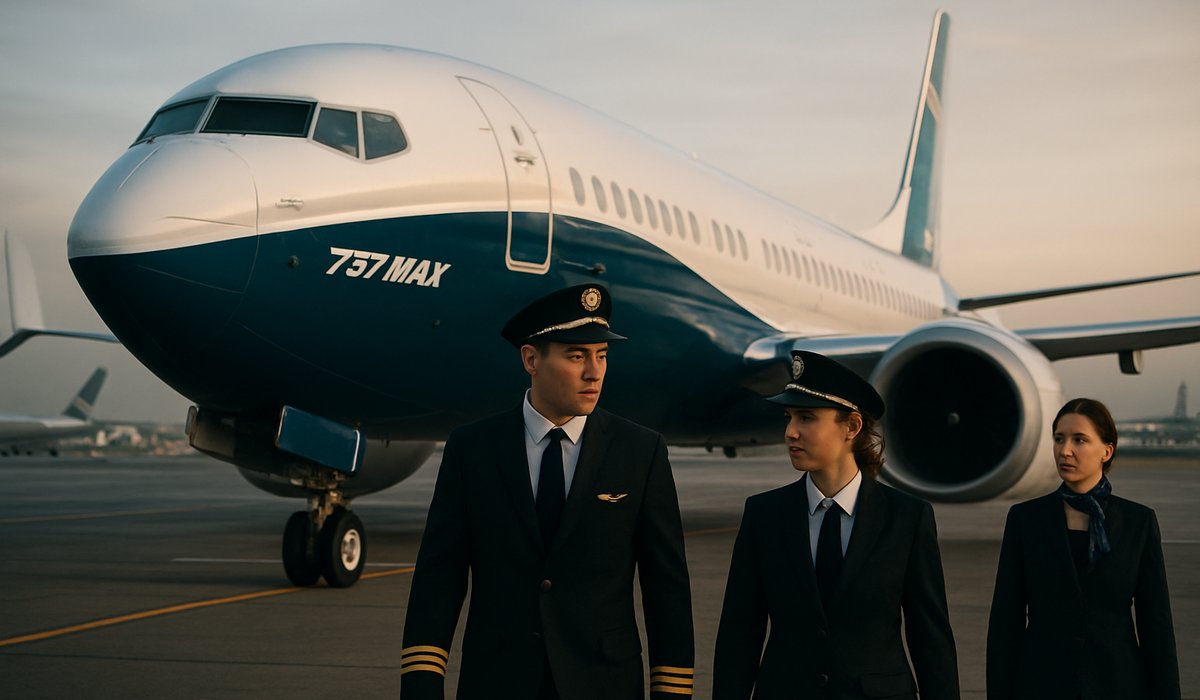
Image generated by AI
Boeing 737 MAX: The MCAS System That Nearly Grounded Modern Aviation
How a software safeguard became the aviation industry's defining crisis—and what the redesign reveals about aircraft certification
The Aircraft That Started an Industry Reckoning
Boeing's decision to develop the 737 MAX represented a pivotal moment in commercial aviation. Facing intense competitive pressure from Airbus's fuel-efficient A320neo, the American manufacturer committed to updating its bestselling 737 platform rather than designing an entirely new narrow-body aircraft. A blockbuster order from American Airlines for 100 jets—announced even before the aircraft's official unveiling—signaled market confidence. Yet within months of entering service, the 737 MAX would trigger the most significant aviation safety crisis in decades, exposing fundamental gaps in how new aircraft systems are tested and certified.
Why MCAS Existed: Engineering Necessity or Costly Compromise?
The 737 MAX's Maneuvering Characteristics Augmentation System (MCAS) was engineered to solve a specific problem. Unlike the A320neo, which featured entirely new engines mounted lower on the fuselage, Boeing's retrofit approach meant installing larger, more powerful engines on the 737 airframe without substantial structural redesign. This positioning shifted the aircraft's aerodynamic characteristics, creating a stall risk during certain high-altitude, low-speed scenarios.
Rather than extensively redesign the aircraft—a costlier, time-consuming alternative that would have delayed market entry—Boeing developed MCAS as an automated software solution. The system monitored angle-of-attack readings and automatically adjusted the tail plane if it detected stall conditions. In theory, this allowed pilots to operate the MAX without extensive new training, reducing airline operating costs and accelerating adoption.
When Software Failed: The Human Cost
The flaws in this approach became catastrophic. In October 2018, Lion Air Flight 610 crashed into the Java Sea, killing 189 people. Five months later, Ethiopian Airlines Flight 302 plummeted near Addis Ababa, claiming 157 lives. In both cases, faulty angle-of-attack sensors fed incorrect data to MCAS, triggering unintended nose-down commands. Critically, the pilots—operating under outdated training protocols—had no clear guidance on recognizing or overriding the system.
The disasters revealed a systemic oversight: MCAS had not been disclosed to airlines or pilots as a critical safety feature requiring specific training. Regulators had not demanded independent validation of the sensor inputs feeding the system.
The Redesign: Learning From Tragedy
The newly certified MCAS incorporates multiple safeguards: redundant sensor verification, reduced authority to prevent over-correction, and mandatory pilot training on the system's operation. Boeing's redesigned approach reflects hard-won lessons about automation's limits in aviation and the non-negotiable importance of transparency between manufacturers, regulators, and flight crews.
The 737 MAX's trajectory from industry solution to certification scandal to redemptive overhaul has reshaped how the aviation sector approaches aircraft certification and automation oversight globally.
Frequently Asked Questions
What is MCAS on the Boeing 737 MAX? MCAS (Maneuvering Characteristics Augmentation System) is an automated flight control system that prevents stalls by adjusting the aircraft's tail plane. It was added because the 737 MAX's larger engines altered aerodynamic handling compared to earlier 737 models.
Why did the original MCAS fail? The system relied on a single angle-of-attack sensor that, when faulty, provided incorrect stall warnings. Pilots lacked adequate training to recognize and override the automated commands, leading to the Lion Air and Ethiopian Airlines crashes.
What changed in the redesigned MCAS? The updated system uses dual sensor inputs for redundancy, limits its corrective authority to prevent over-correction, and requires mandatory pilot training on system operation and override procedures.
How did MCAS affect airline operations and certification timelines? The 737 MAX's 20-month grounding cost airlines billions in lost revenue and aircraft availability, prompting insurers and regulators worldwide to implement stricter certification protocols for automated flight systems.
Is the redesigned 737 MAX now safe to fly? Yes—international aviation authorities, including the FAA and EASA, have recertified the 737 MAX as airworthy following comprehensive system redesigns and enhanced pilot training protocols.
Related Travel Guides
Flight Delay Compensation Guide 2026
Understanding Airline Route Changes
Airport Security Process Updated (2026)
External Resources
Disclaimer
This article is for informational and educational purposes only. It does not constitute legal, financial, or professional advice. While we strive to provide accurate and up-to-date information, travel policies, regulations, and conditions change rapidly. Always verify information with official sources before making travel decisions. Nomad Lawyer makes no representations about the accuracy, reliability, completeness, or suitability of the information provided. Readers should consult qualified professionals for advice specific to their circumstances. The views expressed in this article are those of the author and do not necessarily reflect the views of Nomad Lawyer.
Preeti Gunjan
Contributor & Community Manager
A passionate traveller and community builder. Preeti helps grow the Nomad Lawyer community, fostering engagement and bringing the reader experience to life.
Learn more about our team →