
Boeing's Costly Reckoning: Manufacturing Defects Force Disassembly of Completed 737 MAX Aircraft
Breaking airline news and aviation industry updates for 2026.

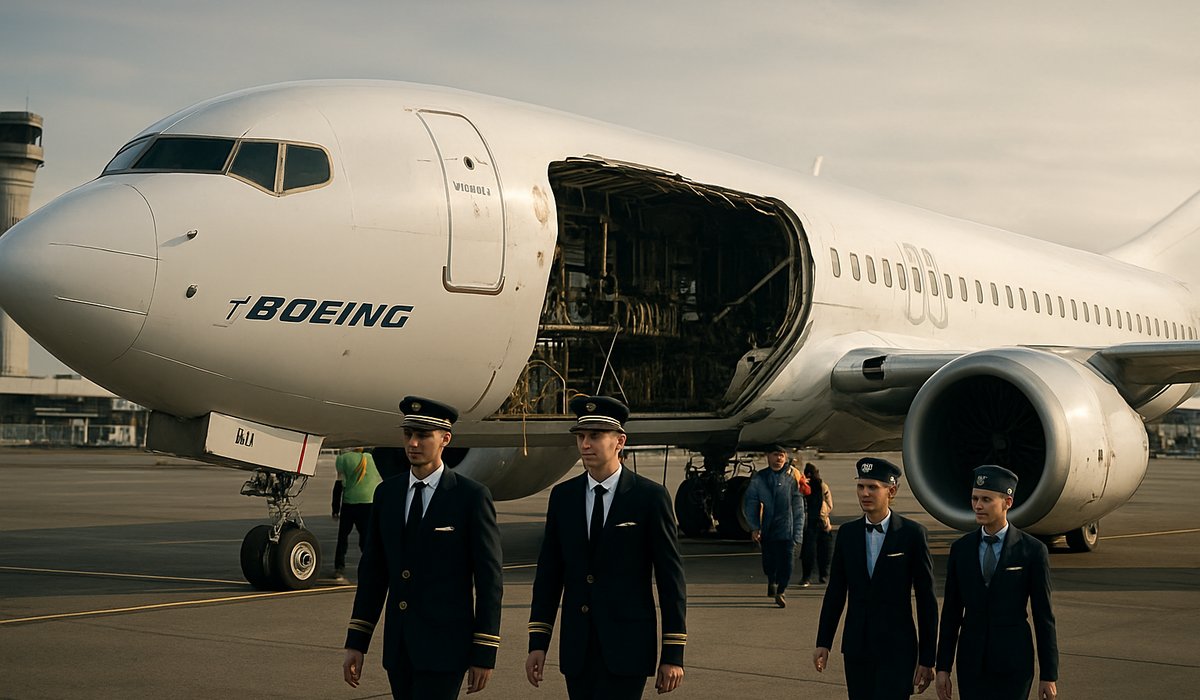
Image generated by AI
Boeing's Costly Reckoning: Manufacturing Defects Force Disassembly of Completed 737 MAX Aircraft
Quality control failures delay deliveries and heap financial pressure on aircraft manufacturer already reeling from safety crises
The Unexpected Setback
Boeing faced an extraordinary predicament in the early 2020s when it discovered that dozens of completed 737 MAX aircraft—ready for customer handover—required extensive dismantling and reconstruction before they could legally take to the skies. The revelation marked another significant stumbling block for the embattled airframer, compounding reputational damage and financial losses stemming from the MAX's prolonged grounding period.
Instead of facilitating immediate deliveries and revenue recognition, Boeing's Washington-based production facilities became de facto warehouses for jets that needed substantial reworking. The situation underscored persistent quality assurance challenges plaguing the world's largest commercial aircraft manufacturer, even as the aviation sector desperately sought new capacity following pandemic-driven fleet reductions.
Manufacturing Defects Demand Reconstruction
The root cause traced back to manufacturing imperfections discovered during pre-delivery inspections—the final safeguard before aircraft enter commercial service. Rather than addressing cosmetic issues, Boeing identified structural and systems-level defects requiring partial disassembly of completed fuselages and component replacement.
This approach proved economically damaging. Each aircraft subjected to teardown and reconstruction consumed additional labor, resources, and facility capacity. Delivery timelines slipped further, postponing the moment when airlines could deploy these jets on revenue-generating routes and when Boeing could officially recognize payments from customers.
Industry-Wide Implications
The manufacturing debacle highlighted systemic vulnerabilities in Boeing's production infrastructure—vulnerabilities that had become increasingly apparent following the 737 MAX's two fatal crashes (2018-2019) and subsequent 21-month grounding. With competitors like Airbus capitalizing on Boeing's production bottlenecks to capture market share, the rework crisis intensified pressure on the company's already-strained supply chain and balance sheet.
For airlines awaiting delivery, the delays perpetuated capacity constraints during a critical period of aviation recovery. Every month without new aircraft meant deferred revenue opportunities and continued reliance on aging, less fuel-efficient platforms—particularly consequential given volatile jet fuel prices affecting operating margins.
Path Forward
The incident served as a stark reminder that manufacturing excellence cannot be rushed, especially in commercial aviation where safety and regulatory compliance are non-negotiable. Boeing's recovery trajectory depends not merely on production volume acceleration, but on demonstrable operational reliability that restores confidence among regulators, customers, and the traveling public.
FAQ
Q1: Why did Boeing need to disassemble completed 737 MAX aircraft? Manufacturing defects and quality control issues discovered during final inspections required structural repairs and component replacement that necessitated partial disassembly before delivery compliance.
Q2: How did these delays impact airline customers? Postponed deliveries extended aircraft capacity shortages, limiting airlines' ability to add flights and revenue during the critical post-pandemic recovery period.
Q3: What does this reveal about Boeing's manufacturing standards? The rework crisis highlighted persistent quality assurance vulnerabilities in Boeing's production system, raising questions about systemic controls post-MAX grounding.
Q4: Did these delays affect Boeing's financial performance? Yes—delayed revenue recognition, increased rework costs, and extended facility occupation all negatively impacted Boeing's financial results during an already turbulent period.
Q5: How common are such manufacturing issues in aircraft production? While quality discoveries occur routinely, requiring full-scale disassembly of completed aircraft is exceptional and typically signals more serious systemic manufacturing problems.
Related Travel Guides
Flight Delay Compensation Guide 2026
Understanding Airline Route Changes
Airport Security Process Updated (2026)
External Resources
Disclaimer
This article is for informational and educational purposes only. It does not constitute legal, financial, or professional advice. While we strive to provide accurate and up-to-date information, travel policies, regulations, and conditions change rapidly. Always verify information with official sources before making travel decisions. Nomad Lawyer makes no representations about the accuracy, reliability, completeness, or suitability of the information provided. Readers should consult qualified professionals for advice specific to their circumstances. The views expressed in this article are those of the author and do not necessarily reflect the views of Nomad Lawyer.
Preeti Gunjan
Contributor & Community Manager
A passionate traveller and community builder. Preeti helps grow the Nomad Lawyer community, fostering engagement and bringing the reader experience to life.
Learn more about our team →