
Pentagon's Highest-Paying Flight Crew Roles: US Air Force Compensation Reaches Six Figures in 2026
Breaking airline news and aviation industry updates for 2026.

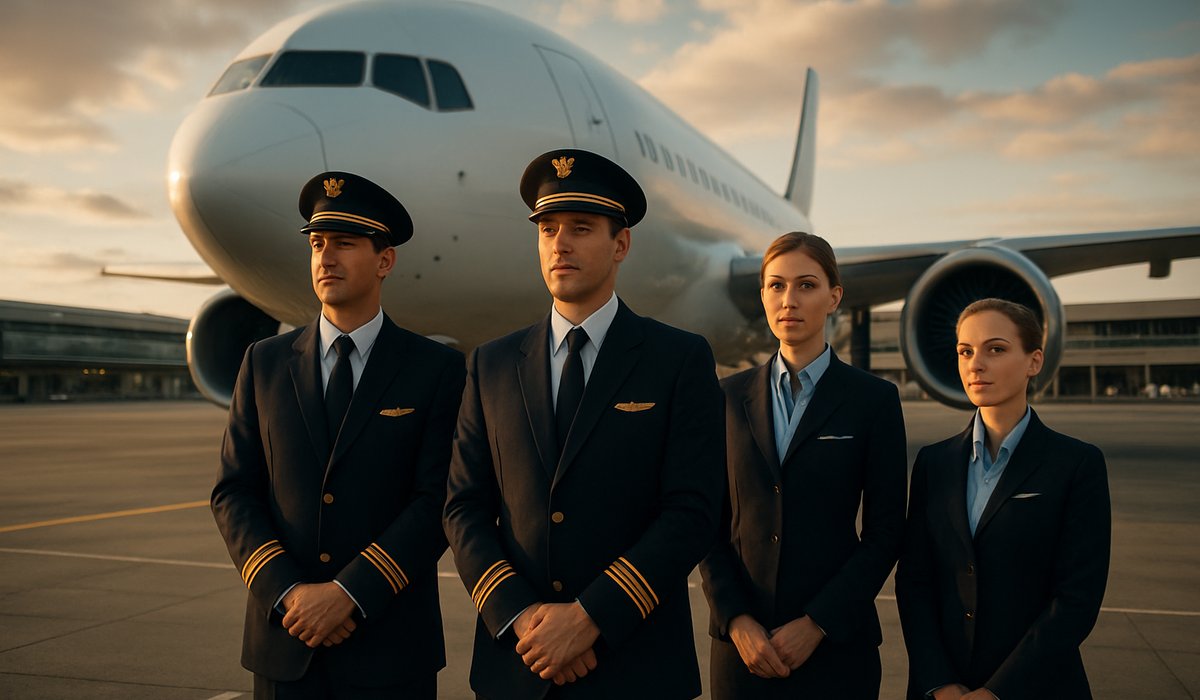
Image generated by AI
Pentagon's Highest-Paying Flight Crew Roles: US Air Force Compensation Reaches Six Figures in 2026
Senior aircrew positions command premium military salaries as Pentagon prioritizes retention of experienced aviation talent
Elite Aircrew Positions Commanding Top-Tier Military Compensation
The United States Air Force is deploying aggressive compensation strategies to retain its most experienced flight personnel, with senior aircrew roles now reaching six-figure earnings packages in 2026. This recruitment and retention push reflects broader military priorities to maintain operational readiness amid competitive private-sector aviation demand.
The variation in compensation across Air Force flying positions is substantial, driven by a complex formula encompassing rank progression, mission-critical bonuses, aviation-specific incentive pay, and geographic allowances. These financial incentives underscore the Pentagon's recognition that retaining seasoned flight crews—particularly in specialized roles—directly impacts national defense capabilities.
Compensation Structure: Beyond Base Salary
Military aircrew compensation extends far beyond standard base pay. The total package for senior positions integrates multiple revenue streams that collectively create lucrative career pathways for those willing to commit to extended service.
Flying incentive pay represents a significant component, rewarding personnel for maintaining active flight status and operational proficiency. Mission-specific bonuses further augment earnings, particularly for roles involving high-risk operations or extended deployment schedules. Housing allowances and location-based pay differentials add substantial value, especially for postings in high cost-of-living areas.
Career Trajectory and Rank Requirements
Not all Air Force aircrew positions offer equivalent earning potential. The highest-compensated roles typically require progression through multiple ranks, often spanning 15-20 years of service. This extended timeline creates a tiered compensation structure that incentivizes career longevity and professional development.
Senior pilot positions, aircraft commanders, and specialized mission roles consistently rank among the Pentagon's most generously compensated aviation positions. These roles carry elevated responsibility levels, requiring advanced certifications, extensive flight hours, and demonstrated leadership capability.
Strategic Retention in a Competitive Aviation Market
The Air Force's emphasis on competitive compensation reflects intensifying competition from commercial aviation operators. Major airlines actively recruit military-trained pilots, offering private-sector salary packages that increasingly rival or exceed military compensation. The Pentagon's salary enhancements represent a calculated response to this talent drain.
Retention of experienced aircrew directly impacts squadron readiness, aircraft maintenance standards, and mission execution capability. Each departing senior pilot represents substantial institutional knowledge loss and training investment write-offs.
FAQs: US Air Force Aircrew Compensation in 2026
What are the highest-paying Air Force aircrew roles currently? Senior pilot positions, aircraft commanders, and specialized mission operators represent the most generously compensated Air Force flight roles, often exceeding $100,000 annually when including bonuses and allowances.
How long does it take to reach top-paying Air Force aircrew positions? Most senior-compensated roles require 15-20 years of service and progression through multiple rank levels, starting from initial pilot training through aircraft commander certification.
What components comprise Air Force aircrew total compensation? Compensation includes base pay, flying incentive pay, mission-specific bonuses, housing allowances, and location-based pay differentials, collectively creating competitive packages.
How does military aircrew pay compare to commercial airline positions? Commercial airlines increasingly offer competitive or superior compensation packages, prompting the Pentagon to enhance military benefits to retain experienced flight personnel.
Why is the Air Force increasing aircrew compensation in 2026? Retention pressures from commercial aviation competition and the strategic importance of maintaining experienced flight crews drive Pentagon investment in enhanced military compensation structures.
Related Travel Guides
External Resources
Disclaimer
This article is for informational and educational purposes only. It does not constitute legal, financial, or professional advice. While we strive to provide accurate and up-to-date information, travel policies, regulations, and conditions change rapidly. Always verify information with official sources before making travel decisions. Nomad Lawyer makes no representations about the accuracy, reliability, completeness, or suitability of the information provided. Readers should consult qualified professionals for advice specific to their circumstances. The views expressed in this article are those of the author and do not necessarily reflect the views of Nomad Lawyer.
Preeti Gunjan
Contributor & Community Manager
A passionate traveller and community builder. Preeti helps grow the Nomad Lawyer community, fostering engagement and bringing the reader experience to life.
Learn more about our team →