
America's Most Costly Military Aircraft Programs: A Multi-Billion Dollar Reality Check
Breaking airline news and aviation industry updates for 2026.

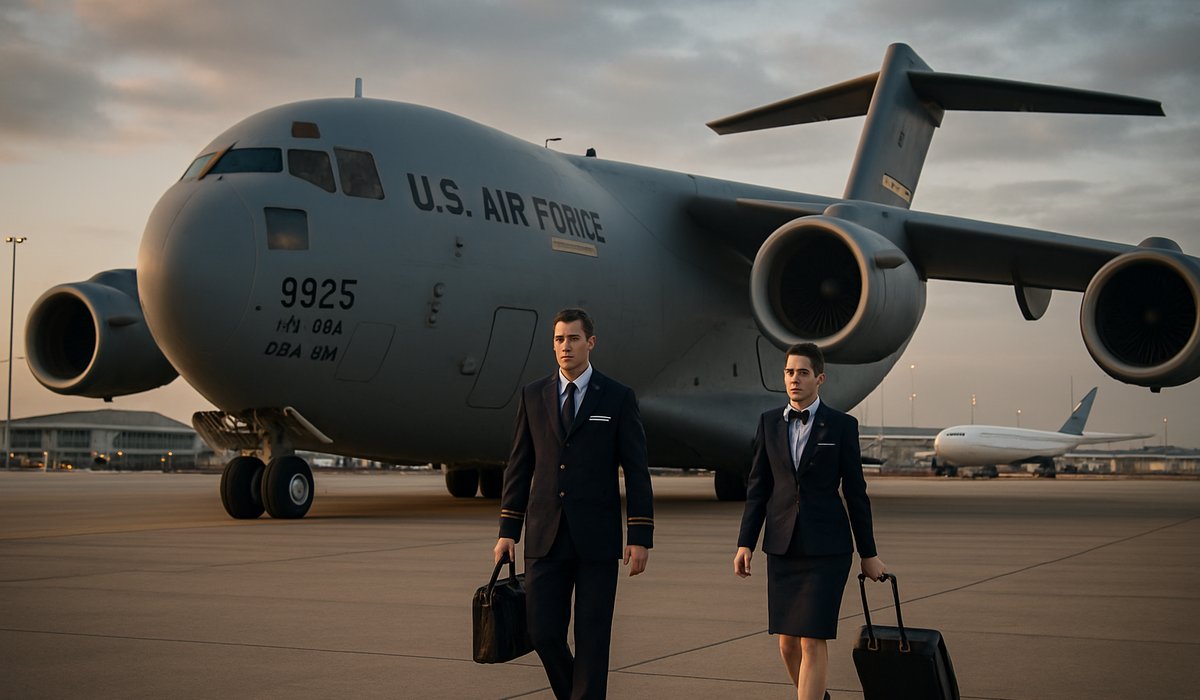
Image generated by AI
America's Most Costly Military Aircraft Programs: A Multi-Billion Dollar Reality Check
The U.S. defense establishment continues pouring unprecedented sums into next-generation fighter jets and aviation platforms, raising questions about spending priorities and technological necessity
The Pentagon's Aviation Investment Reaches Historic Levels
The United States military maintains its position as the world's dominant aerial force, a distinction built on decades of technological innovation and sustained financial commitment. Since the formal establishment of the U.S. Air Force as an independent service branch, American defense planners have consistently prioritized advanced aircraft development, transforming experimental weapons systems into operational realities that fundamentally reshape modern warfare capabilities.
This relentless pursuit of aerial superiority comes at a staggering financial cost. The Pentagon's portfolio of active aircraft programs now encompasses some of the most expensive defense initiatives ever undertaken, with costs measured in tens of billions of dollars across individual projects. These expenditures have generated significant debate within Congress, defense think tanks, and among fiscal conservatives questioning whether current spending levels align with genuine national security requirements.
From Military Innovation to Commercial Aviation
The historical relationship between military aircraft development and civilian aviation advancement remains undeniable. Technologies initially conceived for combat purposes—from jet engine design to materials science and avionics systems—have systematically migrated into the commercial aviation sector, ultimately benefiting everyday travelers worldwide.
The U.S. Navy's pioneering work in carrier aviation during the mid-20th century, alongside the Army Air Corps' strategic bombing campaigns, established developmental frameworks that influenced how commercial manufacturers approached aircraft design and safety protocols. This symbiotic relationship between defense spending and civilian technological progress continues shaping the aviation industry today.
The Scale of Military Aviation Spending
Current Pentagon budgeting reveals the magnitude of this commitment to aerial dominance. Major programs spanning fighter platforms, transport aircraft, surveillance systems, and rotary-wing capabilities collectively represent the most substantial defense procurement investments globally. These programs often extend across multiple decades, creating long-term financial obligations that transcend individual budget cycles and administration changes.
The complexity of modern military aviation systems—requiring advanced radar integration, stealth technologies, autonomous capabilities, and multi-domain connectivity—justifies some cost escalation. However, program overruns, design modifications, and manufacturing inefficiencies have frequently contributed to budget growth exceeding original estimates.
Looking Forward
As geopolitical tensions mount and peer-competitor nations accelerate their own advanced aircraft programs, the Pentagon shows no indication of moderating its aviation investment strategy. The implications for defense budgets, taxpayer resources, and long-term military readiness remain central to ongoing policy discussions.
FAQ: Military Aircraft Spending and Defense Programs
What are the most expensive active U.S. military aircraft programs? The Pentagon currently manages numerous multi-billion-dollar aviation initiatives, though specific rankings vary by total program cost versus annual expenditure metrics.
How do military aircraft programs influence commercial aviation? Defense sector innovations in propulsion, materials, avionics, and safety systems regularly transition into civilian aircraft manufacturing and design standards.
Why do military aircraft programs cost so much? Advanced capabilities including stealth technology, sensor integration, autonomous systems, and production complexity drive costs significantly higher than conventional aircraft development.
How long do typical military aircraft programs take? Most major programs span 15-30 years from initial concept through full operational deployment across fleet inventories.
What oversight exists for military aviation spending? Congressional appropriations committees, the Government Accountability Office, and Pentagon inspector general offices provide oversight, though program growth often exceeds initial estimates.
Related Travel Guides
-
Flight Attendant Awkward Upgrade Request Handled With Grace in 2026
-
Middle East Crisis: Major Airlines Rebuild Operations Amid Disruptions
External Resources
Disclaimer
This article is for informational and educational purposes only. It does not constitute legal, financial, or professional advice. While we strive to provide accurate and up-to-date information, travel policies, regulations, and conditions change rapidly. Always verify information with official sources before making travel decisions. Nomad Lawyer makes no representations about the accuracy, reliability, completeness, or suitability of the information provided. Readers should consult qualified professionals for advice specific to their circumstances. The views expressed in this article are those of the author and do not necessarily reflect the views of Nomad Lawyer.
Raushan Kumar
Founder & Lead Developer
Full-stack developer with 11+ years of experience and a passionate traveller. Raushan built Nomad Lawyer from the ground up with a vision to create the best travel and law experience on the web.
Learn more about our team →