
The Hidden Code Between Fighter Jets and Civilian Aircraft: How Silent Signals Prevent Aviation Disasters
Breaking airline news and aviation industry updates for 2026.

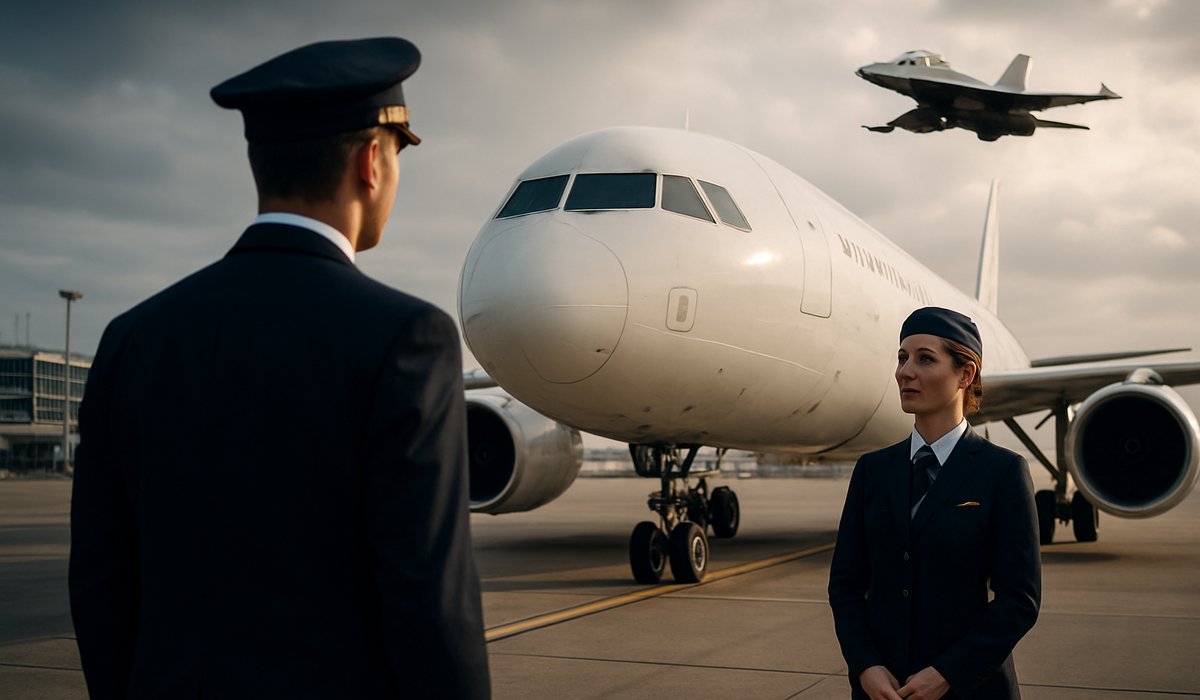
Image generated by AI
The Hidden Code Between Fighter Jets and Civilian Aircraft: How Silent Signals Prevent Aviation Disasters
Military intercepts follow strict international protocols—a single miscommunication could turn routine into catastrophic
A Global System Built on Visual Communication
When a military fighter jet closes in on a civilian airliner, no radio conversation may occur. Instead, fighter pilots and civilian cockpit crews rely on an intricate, internationally standardized visual language that has evolved over decades to prevent misunderstandings that could escalate dangerous situations within seconds.
This sophisticated system of hand signals, aircraft maneuvers, and standardized gestures is enshrined in International Civil Aviation Organization (ICAO) procedures outlined in Annex 2, Appendix 2—the definitive rulebook governing interception protocols worldwide. The framework exists precisely because miscommunication during these high-stakes encounters could transform a routine enforcement action into a tragedy.
The Signals That Matter
The lexicon of fighter-to-civilian communication relies on specific, unmistakable aircraft movements. A fighter pilot rocking their wings sharply signals immediate attention. Breakaway turns—aggressive maneuvers executed at precise angles—convey warnings or directives. Even flare deployment, though primarily a defensive countermeasure, communicates intent in certain contexts.
Federal Aviation Administration (FAA) guidance reinforces these ICAO standards, ensuring that whether an interception occurs over American airspace or international waters, both military and civilian pilots understand the same visual grammar.
Rising Intercept Activity Signals Growing Concerns
Recent data from North American Aerospace Defense Command (NORAD) underscores the frequency of these encounters. Between January 20 and March 10, 2025, airspace officials documented over 20 intercept-warranted aircraft tracks within a single Temporary Flight Restriction (TFR) zone—a concentration highlighting either elevated security vigilance or increased airspace violations.
These figures suggest that while interceptions remain statistically rare for most passengers, they're far more common than the flying public realizes.
Real-World Evidence of the Protocol in Action
A viral cockpit video circulating on Reddit recently provided an unusually candid glimpse into an active interception, with a civilian aircraft bound for India encountering a military escort. The footage—rarely captured and shared publicly—demonstrates how these encounters unfold in practice: calm, methodical, and governed entirely by established procedure.
Civilian pilots train extensively for such scenarios, though most complete their careers without experiencing one. The training emphasizes compliance, clear understanding of visual signals, and the critical importance of maintaining composure.
Why This Protocol Matters More Than Ever
The standardization of interception procedures represents one of aviation's most critical safety innovations. In an era of geopolitical tensions, airspace incursions, and security threats, the ability for military and civilian aircrew to communicate without words—and with absolute clarity—has prevented countless potential disasters.
Any breakdown in this visual language risks catastrophic consequences, making ongoing training, protocol updates, and international coordination essential to aviation safety.
FAQ: Understanding Military Aircraft Interceptions
What exactly triggers a military fighter jet intercept of a civilian aircraft? Intercepts typically result from loss of radio contact, airspace violations, suspected security threats, or unidentified flight patterns. NORAD and equivalent agencies worldwide maintain constant surveillance to identify potentially hazardous or suspicious aircraft.
How do pilots communicate if radio contact is unavailable during an intercept? Pilots rely exclusively on ICAO-standardized visual signals: wing rocking, breakaway maneuvers, flare deployment, and directional hand signals visible through cockpit windows. This silent language is universally understood across all nations and airlines.
Is it dangerous for civilian passengers when an intercept occurs? Modern interception protocols are designed to be non-aggressive and non-threatening. Fighter pilots follow strict guidelines to avoid alarming civilian crews or passengers. Intercepts are typically brief and conclude once identity is confirmed or the aircraft complies with directives.
How often do military aircraft intercept civilian planes? NORAD alone handles dozens of intercepts annually across North American airspace. The 2025 TFR zone data showing 20+ intercept-worthy tracks in under two months demonstrates the frequency often goes unnoticed by the public.
What happens if a civilian pilot doesn't understand or respond to interception signals? Misunderstanding is rare due to mandatory international pilot training, but non-compliance could escalate the situation. Most modern cockpit crews are extensively drilled on these procedures and would immediately recognize interception signals.
Related Travel Guides
Flight Delay Compensation Guide 2026
Understanding Airline Route Changes
Airport Security Process Updated (2026)
External Resources
Disclaimer
This article is for informational and educational purposes only. It does not constitute legal, financial, or professional advice. While we strive to provide accurate and up-to-date information, travel policies, regulations, and conditions change rapidly. Always verify information with official sources before making travel decisions. Nomad Lawyer makes no representations about the accuracy, reliability, completeness, or suitability of the information provided. Readers should consult qualified professionals for advice specific to their circumstances. The views expressed in this article are those of the author and do not necessarily reflect the views of Nomad Lawyer.
Kunal K Choudhary
Co-Founder & Contributor
A passionate traveller and tech enthusiast. Kunal contributes to the vision and growth of Nomad Lawyer, bringing fresh perspectives and driving the community forward.
Learn more about our team →