
What Flight Attendants Really Assess During Boarding: Safety Over Smiles
Breaking airline news and aviation industry updates for 2026.

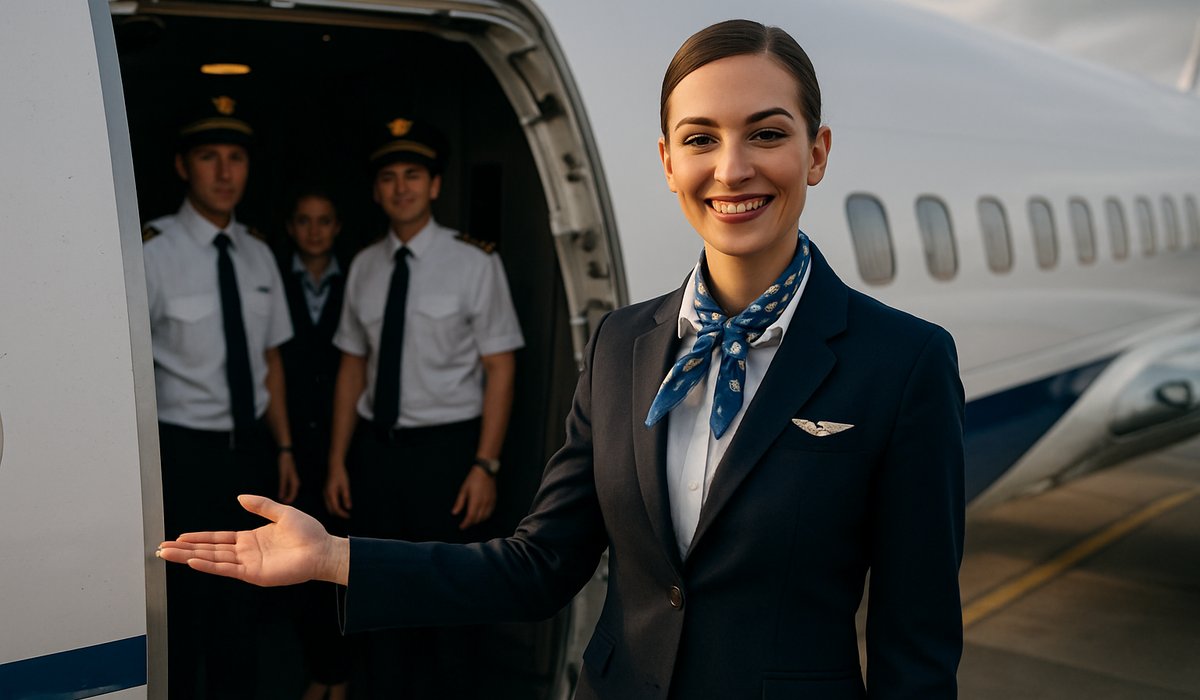
Image generated by AI
What Flight Attendants Really Assess During Boarding: Safety Over Smiles
Inside the critical first moments of air travel, crew members prioritize security checks over passenger pleasantries
The Hidden Reality Behind the Welcome Smile
When you step onto an aircraft and lock eyes with a flight attendant offering a warm greeting, you might assume their primary concern is hospitality. The truth tells a different story. Behind every handshake and boarding pass scan lies a systematic safety assessment that determines whether your flight proceeds as scheduled—or whether potential risks emerge before takeoff.
Flight attendants performing door-side welcome duties are simultaneously conducting a rapid-fire security and behavioral evaluation of each passenger entering the aircraft. This dual responsibility underscores a fundamental shift in modern aviation: passenger safety protocols now take precedence over traditional service-first interactions.
Beyond Customer Service: The Safety Screening Protocol
The boarding process represents far more than a logistical checkpoint. Crew members are trained to identify passengers who may pose risks—including those displaying signs of intoxication, medical distress, or behavioral instability. Their welcoming demeanor serves as a disarming technique that allows them to observe passengers naturally while maintaining professional composure.
This assessment is neither cynical nor paranoid. Industry standards, reinforced by regulatory bodies, mandate that flight attendants function as the airline's primary security layer during ground operations. Their observations directly influence decisions about flight readiness and passenger accommodation requirements.
The Multitasking Reality of Modern Crew Roles
Today's flight attendants juggle competing priorities that training programs now emphasize equally alongside beverage service. Verifying boarding passes remains routine, but their gaze extends deeper—monitoring gait stability, emotional state, and potential compliance issues before passengers settle into seats.
Airlines have increasingly invested in crew training programs that transform flight attendants from hospitality specialists into multi-skilled safety professionals. This evolution reflects post-2001 aviation industry changes, where crew awareness became a critical defense mechanism against airborne incidents.
The baggage assistance provided during boarding serves another practical function: crew members observe how passengers interact with cabin space and whether any medical conditions or mobility restrictions require special accommodation arrangements before flight departure.
Reframing the Greeting Ritual
What passengers perceive as pleasant small talk actually represents strategic observation. Flight attendants are answering questions beneath the surface: Are you fit to fly? Do you require assistance? Will you comply with safety procedures?
The smile remains genuine, but its purpose extends far beyond hospitality. It functions as both a deterrent to potential misconduct and a bridge for identifying passengers who need support during flight operations.
FAQs: Understanding Flight Attendant Screening
Why do flight attendants stare at boarding passengers? Flight attendants conduct visual safety assessments to identify potential medical issues, intoxication, or behavioral concerns before aircraft departure. This screening is a trained security protocol, not customer service evaluation.
What behaviors concern flight attendants during boarding? Significant intoxication, extreme agitation, difficulty walking, or signs of medical distress trigger crew alerts. These observations may result in flight delays, passenger denial, or medical resource deployment.
Can flight attendants refuse to let me board based on appearance? Yes. Airlines retain authority to deny boarding to passengers displaying safety risks, including visible intoxication or signs of unmanaged medical conditions, per federal aviation regulations.
How does boarding assessment improve flight safety? Early identification of at-risk passengers allows crews to arrange appropriate accommodations, alert medical personnel, or prevent incidents before aircraft doors close.
Are flight attendants trained specifically in passenger screening? Yes. Modern crew training programs dedicate significant hours to behavioral assessment, medical emergency recognition, and security protocol execution.
Related Travel Guides
Disclaimer
This article is for informational and educational purposes only. It does not constitute legal, financial, or professional advice. While we strive to provide accurate and up-to-date information, travel policies, regulations, and conditions change rapidly. Always verify information with official sources before making travel decisions. Nomad Lawyer makes no representations about the accuracy, reliability, completeness, or suitability of the information provided. Readers should consult qualified professionals for advice specific to their circumstances. The views expressed in this article are those of the author and do not necessarily reflect the views of Nomad Lawyer.
Kunal K Choudhary
Co-Founder & Contributor
A passionate traveller and tech enthusiast. Kunal contributes to the vision and growth of Nomad Lawyer, bringing fresh perspectives and driving the community forward.
Learn more about our team →