
Boeing Shifts 737 MAX Production to Everett Facility, Signaling Major Supply Chain Reorganization
Breaking airline news and aviation industry updates for 2026.

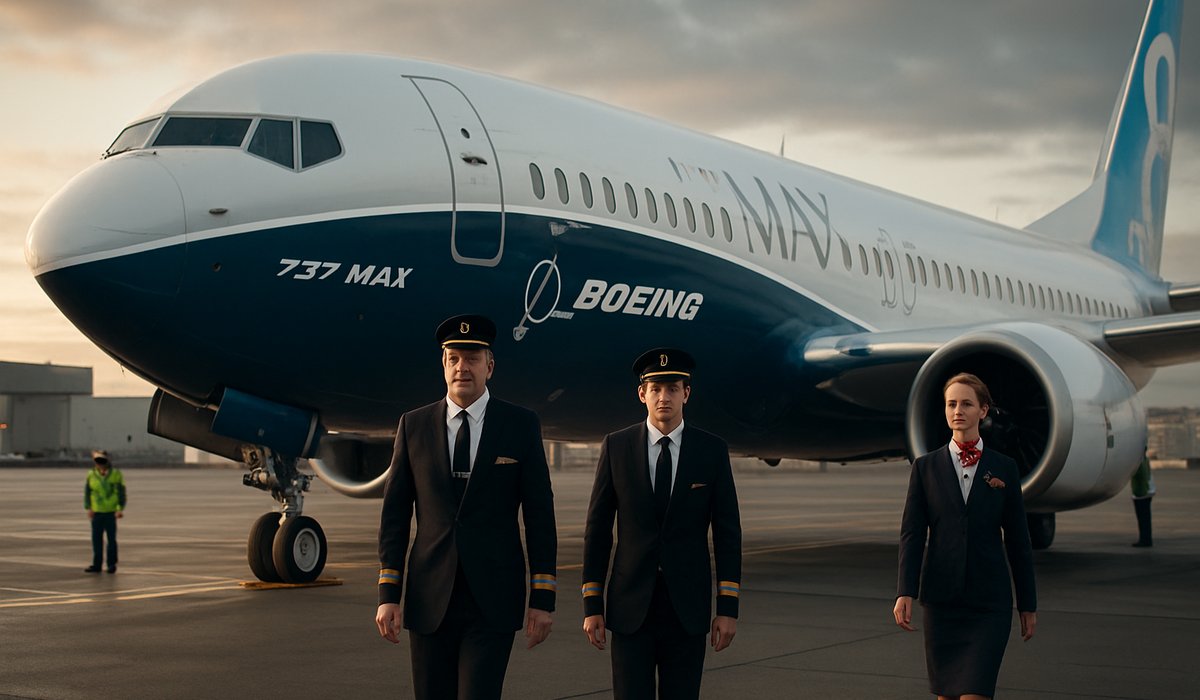
Image generated by AI
Boeing Shifts 737 MAX Production to Everett Facility, Signaling Major Supply Chain Reorganization
Manufacturing consolidation move comes as aerospace giant seeks to optimize output amid sustained global demand for single-aisle aircraft
Production Relocation Underway at Boeing's Washington Complex
Boeing is preparing its sprawling Everett, Washington manufacturing facility to absorb 737 MAX production, marking a significant operational restructuring for the world's largest commercial aircraft manufacturer. The strategic shift comes as the company winds down operations of its iconic 747 freighter program at the same location, freeing substantial production capacity for the high-demand narrow-body segment.
Historically, Boeing's 737 assembly operations have been concentrated in the nearby Renton facility, which has served as the primary production hub for the manufacturer's best-selling aircraft family for decades. The reallocation represents one of the most substantial manufacturing realignments in the company's recent history and reflects broader industry pressures to maximize efficiency across its production network.
Strategic Capacity Optimization Following 747 Phase-Out
The discontinuation of 747 production at the Everett complex has created an unprecedented opportunity for Boeing to expand its 737 MAX manufacturing footprint. The 747, once the industry's flagship wide-body aircraft, has experienced declining commercial demand in recent years as airlines increasingly pivot toward more fuel-efficient twin-engine jets and as cargo operators favor converted passenger aircraft for freight operations.
By consolidating single-aisle production across multiple Washington State facilities, Boeing aims to address persistent supply chain constraints and meet accumulated orders for the 737 MAX—aircraft that returned to service following a comprehensive safety review and software modifications. Industry analysts suggest the move could significantly enhance Boeing's production rates, potentially reaching the manufacturer's stated goal of 38-50 aircraft monthly by mid-decade.
Broader Industry Context
The reorganization unfolds amid intensifying competition from Airbus, which continues expanding production of its competing A320 family. Additionally, global supply chain disruptions, semiconductor shortages, and raw material cost pressures have forced major aerospace manufacturers to optimize their operational footprints. Jet fuel price volatility and sustained airline demand for modern, fuel-efficient aircraft have reinforced the commercial viability of increased 737 MAX production volumes.
Boeing's decision to leverage the Everett facility also reflects confidence in sustained long-term demand for narrow-body aircraft, despite recent macroeconomic uncertainties affecting the travel sector. The move positions the manufacturer to capitalize on pent-up airline fleet renewal demands, particularly from carriers across Asia-Pacific and emerging markets seeking to modernize aging fleets.
FAQ: Boeing's 737 MAX Production Expansion
Q: Why is Boeing moving 737 MAX production to Everett? A: The completion of 747 production has created available manufacturing capacity at the facility, allowing Boeing to expand single-aisle aircraft assembly and optimize production efficiency across its Washington State operations.
Q: What is the impact on 737 MAX delivery timelines? A: The expanded production capacity is expected to accelerate delivery rates, helping Boeing address its substantial order backlog and potentially increasing monthly output from current levels toward the company's target of 38-50 aircraft monthly.
Q: Will this affect Renton facility operations? A: While Everett will absorb additional production, Renton remains a critical manufacturing hub. Boeing has not announced facility closures, suggesting both locations will continue 737 production operations.
Q: How does this impact airline travel costs? A: Increased 737 MAX production may help airlines modernize fleets more quickly, potentially reducing fuel surcharges and baggage fees by enabling deployment of more fuel-efficient aircraft, though market dynamics and jet fuel prices remain primary cost drivers.
Q: When will the transition be complete? A: Boeing has not disclosed specific timelines, though the transition is expected to occur gradually throughout the coming months as 747 production concludes and 737 MAX operations scale upward.
Related Travel Guides
Flight Delay Compensation Guide 2026
Understanding Airline Route Changes
Airport Security Process Updated (2026)
External Resources
Disclaimer
This article is for informational and educational purposes only. It does not constitute legal, financial, or professional advice. While we strive to provide accurate and up-to-date information, travel policies, regulations, and conditions change rapidly. Always verify information with official sources before making travel decisions. Nomad Lawyer makes no representations about the accuracy, reliability, completeness, or suitability of the information provided. Readers should consult qualified professionals for advice specific to their circumstances. The views expressed in this article are those of the author and do not necessarily reflect the views of Nomad Lawyer.
Preeti Gunjan
Contributor & Community Manager
A passionate traveller and community builder. Preeti helps grow the Nomad Lawyer community, fostering engagement and bringing the reader experience to life.
Learn more about our team →