
Flight Attendants' Critical 3-Second Security Assessment: What They're Really Observing During Boarding
Breaking airline news and aviation industry updates for 2026.

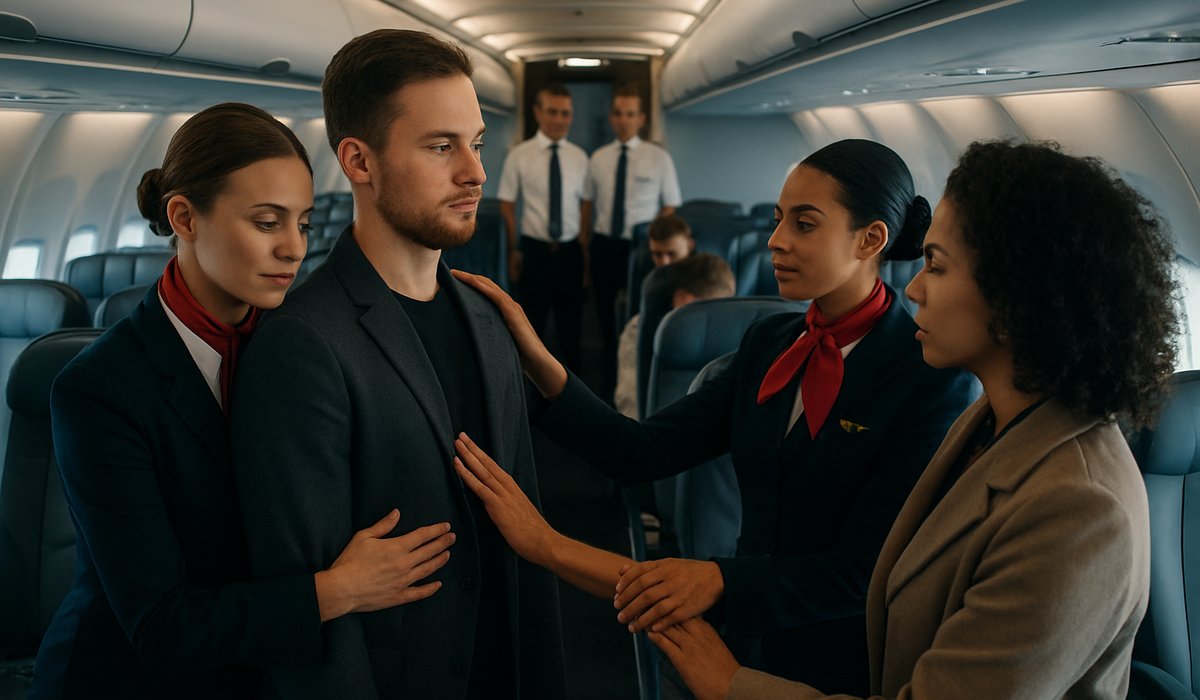
Image generated by AI
Flight Attendants' Critical 3-Second Security Assessment: What They're Really Observing During Boarding
How airline crew members conduct real-time threat assessment and passenger evaluation before takeoff
The Hidden Safety Protocol Behind Routine Boarding Interactions
Every passenger boarding a commercial aircraft undergoes a rapid but purposeful evaluation conducted by flight attendants—a three-second assessment that extends far beyond polite pleasantries and cabin service preparation. This systematic observation, executed during initial passenger contact, represents a crucial layer of aviation security and emergency preparedness that operates largely unnoticed by travelers.
Flight crew members worldwide are trained to conduct real-time behavioral and physical assessments as passengers enter the cabin. This practice, developed through international aviation safety standards, enables airline personnel to identify potential security threats while simultaneously evaluating which passengers possess the physical capability and psychological demeanor to assist during emergency situations.
What Flight Attendants Are Actually Evaluating
During the boarding process, crew members observe multiple indicators in rapid succession. These include passenger demeanor, sobriety levels, ability to move independently, overall physical condition, and behavioral patterns that might signal aggressive intent or instability. The assessment also extends to identifying passengers who appear composed and capable—individuals who could potentially aid crew members in managing emergencies or assisting other travelers.
This three-second window of observation has become standard protocol across major international carriers and is reinforced through mandatory crew training programs. The evaluation occurs naturally within the context of greeting passengers, creating no disruption to the boarding experience while simultaneously fortifying aircraft security.
Balancing Service with Safety
The dual purpose of these boarding interactions—delivering hospitality while conducting security surveillance—reflects the evolving responsibilities of modern flight attendants. Cabin crew members function as both service professionals and trained safety personnel, required to maintain situational awareness throughout every flight operation.
Industry experts emphasize that these observations complement formal security screening conducted by airport authorities. While Transportation Security Administration (TSA) protocols and international equivalents screen for prohibited items and flagged individuals, flight attendants provide a secondary human-based evaluation layer that can detect behavioral anomalies or physical impairments that mechanical screening processes might miss.
Broader Aviation Safety Implications
This screening methodology aligns with post-9/11 aviation security frameworks that distribute security responsibilities across multiple stakeholder groups. Flight attendants have become front-line security personnel, their training encompassing threat recognition, de-escalation techniques, and emergency response protocols.
The practice underscores why comprehensive crew training remains non-negotiable in commercial aviation. Airlines continue investing substantial resources in behavioral recognition and emergency management instruction, recognizing that cabin crew represent the final human security layer protecting passengers during flight operations.
FAQ: Flight Attendant Security Assessments and Cabin Safety
What specific traits do flight attendants look for when screening passengers during boarding? Flight crew members assess demeanor, sobriety, physical mobility, overall health indicators, and behavioral patterns that might suggest potential safety risks or the capacity to assist during emergencies.
Is the 3-second security scan mandated by aviation authorities? Yes, this assessment protocol aligns with international aviation safety standards and is incorporated into mandatory flight attendant training programs across major carriers worldwide.
Can flight attendants refuse boarding based on their observations? Flight attendants can report concerns to airline management and pilots, who retain authority to deny boarding if safety risks are identified. However, decisions typically involve multiple personnel rather than individual crew member judgment.
How does this crew-based screening complement airport TSA screening? Airport security screens for prohibited items and flagged individuals, while flight attendants provide behavioral observation and real-time threat assessment capabilities that automated or mechanical screening processes cannot deliver.
What training do flight attendants receive for security assessment and emergency response? Comprehensive crew training includes threat recognition, de-escalation techniques, emergency medical response, evacuation procedures, and behavioral psychology to identify potential security concerns during flight operations.
Related Travel Guides
Flight Delay Compensation Guide 2026
Understanding Airline Route Changes
Airport Security Process Updated (2026)
External Resources
Disclaimer
This article is for informational and educational purposes only. It does not constitute legal, financial, or professional advice. While we strive to provide accurate and up-to-date information, travel policies, regulations, and conditions change rapidly. Always verify information with official sources before making travel decisions. Nomad Lawyer makes no representations about the accuracy, reliability, completeness, or suitability of the information provided. Readers should consult qualified professionals for advice specific to their circumstances. The views expressed in this article are those of the author and do not necessarily reflect the views of Nomad Lawyer.
Preeti Gunjan
Contributor & Community Manager
A passionate traveller and community builder. Preeti helps grow the Nomad Lawyer community, fostering engagement and bringing the reader experience to life.
Learn more about our team →