
Southeast Asia Climate-Resilient Aviation: Secondary Airports and Travel Guide 2026
Following severe Bangkok flooding that grounded 30% of Thai Airways flights, Southeast Asian travelers are shifting toward climate-resilient secondary hubs like Chiang Mai and Da Nang.

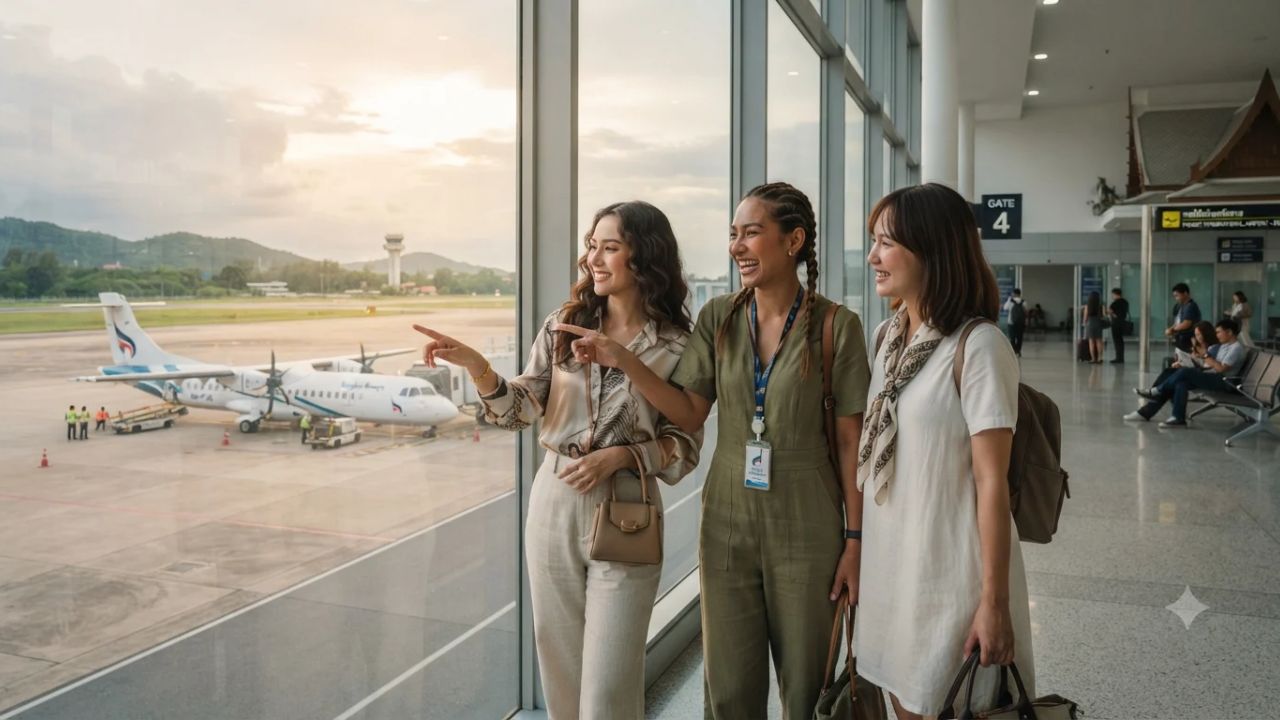
When late-September monsoons inundated access corridors surrounding Bangkok's Suvarnabhumi Airport, leaving over 5,600 pieces of luggage stranded in terminal halls and prompting the emergency deployment of 69 Royal Thai Air Force personnel to restore ground operations, the financial fallout exceeded US$320 million across Central Thailand. The operational crisis forced Thai Airways to cancel nearly 30% of its scheduled flights, with airline Chief Executive Officer Chai Eamsiri confirming on September 29 that fewer than 3% of flights operated on schedule over a forty-eight-hour standstill. This massive disruption has catalyzed an unprecedented structural shift across Southeast Asian aviation, accelerating direct international connectivity to weather-resilient secondary hubs like Chiang Mai, Da Nang, and Fukuoka.
The Fragility of Centralized Mega-Hubs in an Era of Monsoon Volatility
The vulnerability of single-point mega-airports became starkly evident during the monsoon season, which previously disrupted over 5,400 regional flights across Asia in July alone. When arterial highways leading to major terminals submerge, ground handling crews, baggage loaders, and catering staff cannot report to their posts. As a result, multi-million-dollar runways sit paralyzed despite clear skies overhead.
According to airport operations data monitored by Airports of Thailand, centralized aviation models expose long-haul passengers to cascading delays across the entire continent. Airlines such as Cathay Pacific, Emirates, and regional low-cost carriers are actively adjusting flight dispatch algorithms, replacing fixed seasonal schedules with dynamic meteorological routing that redirects passengers away from flood-prone coastal capitals.
Concurrently, the Tourism Authority of Thailand is collaborating with regional carriers to position provincial international airports as self-sufficient gateways. By channeling leisure and business travelers directly into northern and southern provinces, destination planners mitigate severe financial exposure while insulating tourists from urban transport bottlenecks.
Secondary City Gateways: Geographic Advantages and Risk Mitigation
Rather than routing every international itinerary through Bangkok or Hanoi, airlines are expanding direct long-haul and regional routes into elevated or geographically sheltered secondary cities. These provincial hubs offer modern immigration facilities, shorter taxi times, and localized surface transport networks that remain operational during heavy precipitation.
| Secondary Destination Hub | Primary Passenger Appeal | Geographic Risk Mitigation Factor | Aviation & Transit Infrastructure |
|---|---|---|---|
| Chiang Mai (CNX), Thailand | Lanna cultural heritage, wellness retreats | Elevated inland valley avoids coastal storm surges | Expanded international terminal, direct regional jet links |
| Da Nang (DAD), Vietnam | Luxury coastal resorts, Hoi An heritage access | Isolated from southern low-pressure typhoon paths | Widebody-capable runways, rapid seaside terminal access |
| Fukuoka (FUK), Japan | Regional gastronomy, hot spring retreats | Avoids Tokyo airspace congestion, advanced drainage | Subway linked directly to terminal in five minutes |
| Phuket (HKT), Thailand | Andaman beaches, island-hopping charters | Direct maritime radar and dual runway operations | Direct transatlantic and Middle Eastern charter links |
Visitor Insider Tips for Booking Weather-Resilient Itineraries
Travelers planning journeys across Southeast Asia during the transition months of September, October, and November can protect their schedules through smart route selection.
- Bypass Primary Capital Layovers: When traveling to northern Thailand or central Vietnam, book direct international connections into Chiang Mai International Airport (CNX) or Da Nang International Airport (DAD) to eliminate tight domestic transfers in Bangkok or Ho Chi Minh City.
- Buffer Days for Urban Departures: If your international departure must depart from Bangkok Suvarnabhumi (BKK), schedule your return from provincial destinations at least twenty-four hours before your long-haul flight, utilizing the State Railway of Thailand's elevated rail links rather than road transfers.
- Scrutinize Travel Insurance Weather Clauses: Comprehensive travel policies are tightening claim parameters for weather delays. Ensure your policy covers missed flight connections caused by localized airport ground-staff shortages, not merely runway closures.
- Carry Essential Medicine and Clothing in Hand Luggage: Given that airport ground-crew shortages can strand checked baggage inside sorting facilities for days, always pack three days of essential attire and prescription medication in your overhead carry-on bag.
Cultural and Environmental Context: Regional Dispersal and Rural Economic Health
Decentralizing air traffic away from congested mega-cities delivers profound economic benefits to provincial communities. In regions like Northern Thailand and Central Vietnam, direct international air links funnel visitor spending straight to family-operated boutique hotels, organic agricultural cooperatives, and indigenous craft guilds.
This dispersal model mirrors successful infrastructure policies like India’s regional connectivity initiatives, balancing urban growth with rural investment. Moreover, eliminating unnecessary domestic connecting flights reduces total aviation carbon burn per passenger trip. By distributing traveler volume across modern provincial airports, Southeast Asian nations preserve the ecological integrity of their metropolitan centers while fostering resilient, community-centered tourism economies.
FAQ: Climate-Resilient Southeast Asian Travel 2026
What caused the major flight cancellations at Bangkok Suvarnabhumi in late September 2026?
Severe regional flooding submerged surrounding roadways, preventing ground handling crews from reaching the airport, which stranded over 5,600 bags and forced Thai Airways to cancel nearly 30% of its flights.
Which secondary airports in Southeast Asia offer direct international flights?
Chiang Mai (CNX) and Phuket (HKT) in Thailand, alongside Da Nang (DAD) and Cam Ranh (CXR) in Vietnam, handle extensive direct international flights from across Asia, Australia, and Europe.
How does direct booking to secondary cities reduce travel risks?
Direct regional flights bypass congested metropolitan airspace and surface-transport chokepoints, drastically lowering the risk of missed connections and lost luggage during severe weather events.
Is traveling to Thailand safe during the autumn monsoon season?
Yes. Inland and northern regions such as Chiang Mai and Chiang Rai offer pleasant weather with minimal flood disruptions, particularly when accessed via direct provincial air corridors.
Choosing direct regional flight paths into Southeast Asia's cultural heartlands turns potential travel delays into tranquil, uninterrupted highland escapes.
Related Travel Guides
Disclaimer
This article is for informational and educational purposes only. It does not constitute legal, financial, or professional advice. While we strive to provide accurate and up-to-date information, travel policies, regulations, and conditions change rapidly. Always verify information with official sources before making travel decisions. Nomad Lawyer makes no representations about the accuracy, reliability, completeness, or suitability of the information provided. Readers should consult qualified professionals for advice specific to their circumstances. The views expressed in this article are those of the author and do not necessarily reflect the views of Nomad Lawyer.
Kunal K Choudhary
Co-Founder & Contributor
A passionate traveller and tech enthusiast. Kunal contributes to the vision and growth of Nomad Lawyer, bringing fresh perspectives and driving the community forward.
Learn more about our team →