
California and New York Smart Tourism Networks: Digital Transit and Travel Guide 2026
California and New York unite to deploy decentralized digital identity, predictive route analytics, and interoperable transit networks to transform transcontinental US travel.

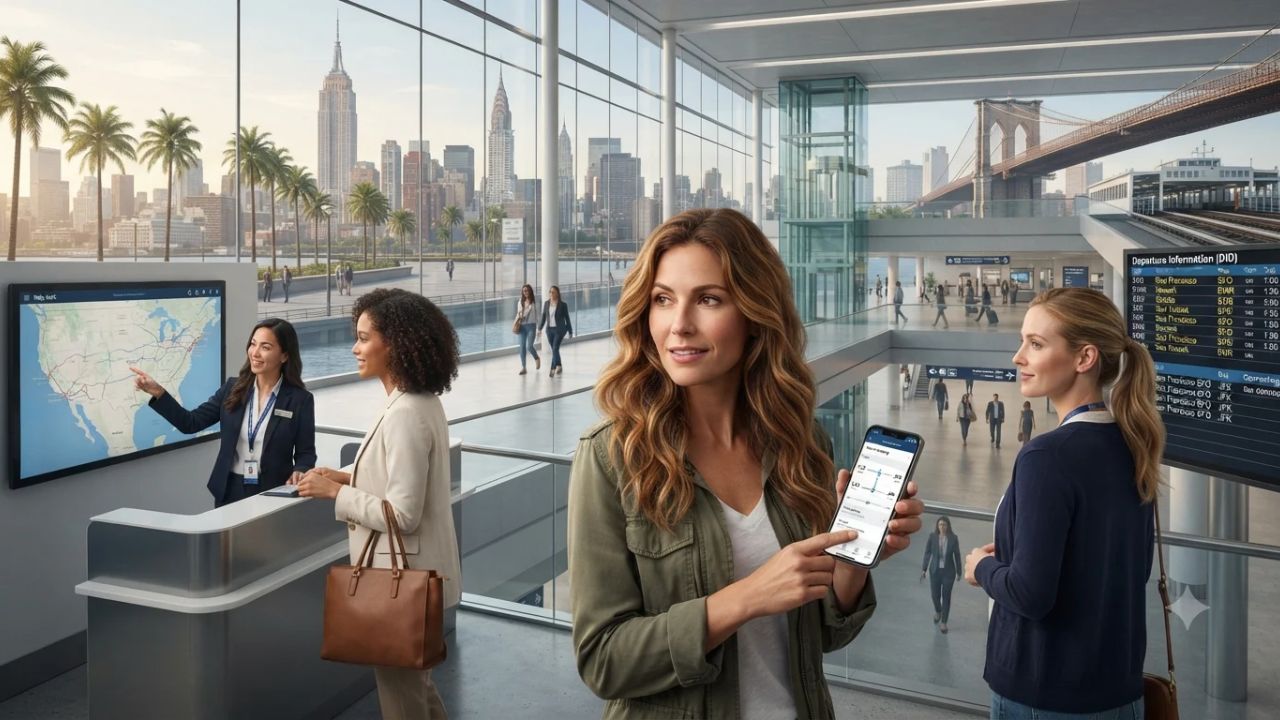
While travel advisors historically dedicated up to 80% of their working hours to repetitive clerical inputs, rate cross-referencing, and manual booking entries, the unification of transcontinental digital networks between California and New York is automating low-level logistics to empower high-touch human advocacy. By harmonizing open application programming interfaces (APIs) across the nation's two largest regional tourism economies, destination leaders coordinated through Visit California and I LOVE NY are dismantling fragmented service silos. From the Pacific rim to the Atlantic seaboard, this cross-country initiative combines decentralized digital passenger credentials, contactless multimodal transit, and real-time visitor dispersal modeling to deliver effortless transcontinental journeys.
Dismantling Service Silos Across the Transcontinental Corridor
For decades, domestic and international travelers traversing the United States encountered disconnected booking engines, incompatible transit tap-to-pay standards, and isolated airline manifest systems. When disruptions occurred, passengers faced redundant manual identity checks, lost luggage transfers, and chaotic airport queues.
Under modern frameworks supported by the U.S. Travel Association, public authorities and private technology developers are implementing shared data conduits. These interoperable systems transmit live flight status changes, baggage tracking telemetry, and hotel preference profiles instantaneously between regional providers. By creating continuous digital threads that accompany travelers from San Francisco and Los Angeles to New York City, the initiative removes administrative friction while strictly respecting state and federal data privacy standards.
The Synergy of Predictive Computing and Seasoned Human Expertise
A foundational principle of this cross-state modernization strategy is that autonomous algorithms enhance rather than replace professional travel consultants. While predictive software scans global inventory in seconds and pinpoints irregular operations, resolving complex disruptions—such as severe weather grounding transcontinental flights—demands seasoned human intervention.
Because automated systems can leave travelers stranded when standard vendor rules fail, experienced advisors step in to negotiate carrier waivers, re-route connecting rail segments, and provide reassuring personal care. Liberated from routine administrative chores, travel specialists now focus entirely on bespoke itinerary curation, regional culinary recommendations, and high-level passenger protection.
Modernization Matrix Across Major Travel Segments
| Travel Sector | Legacy Operational Hurdles | Integrated Smart Frameworks | Measurable Traveler Benefits |
|---|---|---|---|
| Aviation Infrastructure | Disparate booking platforms and isolated baggage tracking | Universal open APIs and centralized manifest telemetry | Real-time connection updates and minimized lost luggage |
| Hospitality Management | Fragmented loyalty records and physical front-desk queues | Interoperable mobile keycards and shared guest preferences | Contactless digital room entry and custom room amenities |
| Rail & Regional Transit | Independent ticketing engines across municipal lines | Consolidated digital fare payments and synchronized timetables | Multimodal city transfers using single payment credentials |
| Travel Advisory Networks | Repetitive manual data entry (occupying up to 80% of time) | Predictive booking dashboards and automated rate scanning | Rapid itinerary rebooking and dedicated emergency support |
Visitor Insider Tips for Smart Transcontinental Journeys
Travelers planning cross-country journeys between California and New York can optimize their itineraries using emerging smart transit tools.
- Enrolling in Interoperable Biometric Identity: Sign up for verified digital travel credential programs before departing major hubs like John F. Kennedy (JFK), Newark Liberty (EWR), Los Angeles International (LAX), or San Francisco International (SFO). Utilizing facial biometric gates cuts security checkpoint transit times by more than half.
- Universal Mobile Wallet Tap-to-Pay: When navigating metropolitan rail grids—such as New York’s OMNY subway readers or the San Francisco Bay Area’s Clipper network—use the same contactless digital payment card or mobile device for direct fare capping benefits without buying physical paper tickets.
- Leveraging Real-Time Crowd Heatmaps: Before visiting high-density attractions such as Yosemite Valley or Manhattan’s museum mile, consult official state tourism apps that publish hourly footfall forecasts to plan visits during tranquil morning or twilight windows.
- Transcontinental Luggage Telemetry: Utilize airline mobile applications equipped with Bluetooth baggage tags and real-time scanning notifications to verify that checked luggage has transferred between coast-to-coast connecting flights before boarding.
Cultural and Environmental Context: Regional Dispersal and Local Business Equity
Smart tourism networks play a pivotal role in protecting delicate natural preserves and historical urban districts from overtourism. In high-demand zones like Lake Tahoe, Big Sur, and the Hudson Valley, centralized data systems monitor seasonal carrying capacities and dynamically redirect incoming visitor flows toward emerging cultural communities.
Moreover, standardized open platforms grant independent boutique hotels, farm-to-table restaurants, and indigenous artisans direct visibility within mainstream consumer booking tools. By leveling the commercial playing field against multinational booking aggregators, connected digital infrastructure ensures tourism spending circulates directly into local neighborhoods, preserving community character and sustaining regional employment.
FAQ: Smart Tourism Networks California and New York 2026
What is the goal of the California–New York smart tourism network?
The initiative connects open digital transit data, universal payment standards, and decentralized digital credentials to remove travel friction across transcontinental journeys.
Will automated travel software replace human travel advisors?
No. Software automates repetitive data entry, freeing travel advisors to provide personalized route design, VIP upgrades, and crucial problem-solving during travel emergencies.
How does decentralized identity protect traveler privacy?
Decentralized credentials authenticate passenger identity locally at airport gates and hotels without storing sensitive personal data on third-party commercial servers.
How does shared data help prevent overtourism?
Live footfall tracking allows tourism authorities to identify congestion spikes early and route visitors toward lesser-known regional parks and cultural districts.
From the sunset bluffs of the Pacific Coast Highway to the illuminated skyline of Manhattan, interconnected digital intelligence is crafting a frictionless era for American exploration.
Related Travel Guides
Disclaimer
This article is for informational and educational purposes only. It does not constitute legal, financial, or professional advice. While we strive to provide accurate and up-to-date information, travel policies, regulations, and conditions change rapidly. Always verify information with official sources before making travel decisions. Nomad Lawyer makes no representations about the accuracy, reliability, completeness, or suitability of the information provided. Readers should consult qualified professionals for advice specific to their circumstances. The views expressed in this article are those of the author and do not necessarily reflect the views of Nomad Lawyer.
Kunal K Choudhary
Co-Founder & Contributor
A passionate traveller and tech enthusiast. Kunal contributes to the vision and growth of Nomad Lawyer, bringing fresh perspectives and driving the community forward.
Learn more about our team →