
Thailand and Uzbekistan Lead 2026 Asian Transit Realignment: New Visa and Route Guides
Thailand and Uzbekistan are spearheading a massive shift in Asian travel corridors for 2026, introducing mutual transit regimes and visa liberalization to connect India, China, and Sri Lanka.

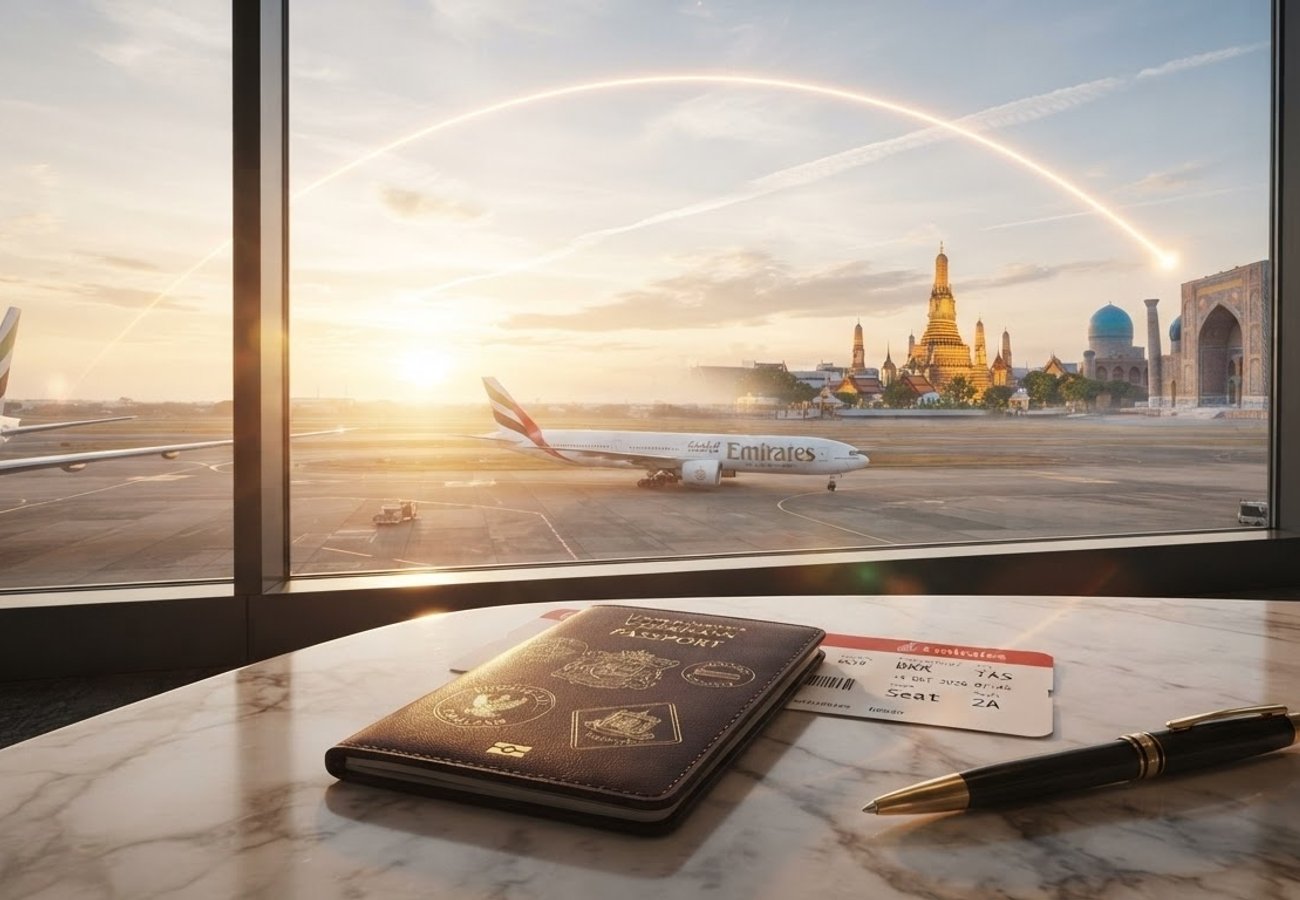
Image generated by AI
Are you planning a multi-city itinerary across Asia in 2026? New diplomatic agreements between Thailand, Uzbekistan, and several neighboring nations are fundamentally changing how you enter and move through these regions.
The 2026 Asian Transit Realignment
A significant strategic shift is currently unfolding across Asian travel corridors as Thailand and Uzbekistan lead a regional movement toward visa liberalization and mutual transit regimes. This realignment is not merely a diplomatic gesture but a calculated effort to capture the expanding outbound tourism market from the middle class in India, China, and Sri Lanka. By dismantling bureaucratic barriers, these nations are creating friction-free zones designed to stimulate economic recovery and bilateral trade.
The transition follows a period of strict entry regulations implemented to enhance national security and prevent the over-saturation of local infrastructure. However, the current trajectory favors "targeted regulatory frameworks." This means that while security remains a priority, genuine leisure and business travelers are seeing a reduction in paperwork. For those eyeing Central Asia, the introduction of sweeping thirty-day exemptions for specific demographics is the most notable change, making the region more accessible than ever before.
Route and Schedule Details
The success of these visa shifts depends entirely on the physical infrastructure of aviation. New direct commercial flight paths are being established to ensure that "open borders" are matched by "open skies." The following table outlines the primary corridors currently seeing the most significant growth and policy synchronization.
| Route Corridor | Primary Hubs | Focus | Status | Impact |
|---|---|---|---|---|
| Southeast Asia $\leftrightarrow$ Central Asia | Bangkok $\leftrightarrow$ Tashkent | Visa Liberalization | Active | High |
| South Asia $\leftrightarrow$ Southeast Asia | New Delhi/Colombo $\leftrightarrow$ Bangkok | Mutual Transit | Expanding | High |
| East Asia $\leftrightarrow$ Southeast Asia | Beijing/Shanghai $\leftrightarrow$ Bangkok | Economic Zones | Active | Moderate |
| Central Asia $\leftrightarrow$ South Asia | Tashkent $\leftrightarrow$ New Delhi | Commercial Trade | Developing | Moderate |
Traveler Logistics Guide
Navigating these new corridors requires a shift in how you plan your transit. Because these policies are being "calibrated" in real-time to prevent overstay abuses, you must be precise with your documentation.
1. Digital Verification and Entry Do not rely on outdated blog posts or third-party agents. The first step for any traveler is to verify their current status via official government portals. For those entering Thailand, use the Royal Thai Government e-Visa Portal to check if your nationality now falls under the new liberalization rules. Similarly, travelers heading to Central Asia should consult the Official Tourism Portal of Uzbekistan to confirm if they qualify for the 30-day exemption.
2. Optimal Connection Strategies With the expansion of direct flights between metropolitan hubs, the "hub-and-spoke" model is becoming more efficient. If you are traveling from India or Sri Lanka to Uzbekistan, routing through Bangkok is now a strategic choice due to the synchronized transit pacts. Ensure your layover is at least 4 hours if you are changing terminals, as the influx of passengers in these "vibrant frontiers" can lead to congestion at immigration checkpoints.
3. Baggage and Customs Compliance As these countries move toward "friction-free economic zones," customs procedures are becoming more digitized. However, the push to prevent "unauthorized commercial activities" means that customs officers are more strictly scrutinizing goods that look like commercial imports. Keep digital copies of your purchase receipts for high-value electronics or luxury goods to avoid delays.
4. Visa-Free vs. Visa-on-Arrival Distinguish clearly between a "visa-free exemption" and "visa-on-arrival." The 2026 realignment favors exemptions for specific demographics. If you have an exemption, you simply present your passport. If you are using a visa-on-arrival system, ensure you have the exact fee in USD or the local currency, as digital payment systems at border points can be inconsistent.
Regional Connectivity Impact
This realignment is reshaping the geopolitical map of Asian tourism. By linking the purchasing power of the Indian and Chinese middle classes with the emerging destinations of Central Asia and the established hubs of Southeast Asia, these governments are using tourism as a tool for regional stability.
The synergy between open skies and open borders is turning Asia into a more integrated travel market. For the nomad or frequent traveler, this means the ability to execute complex, multi-country itineraries without the traditional "visa run" fatigue. The focus has shifted from simply attracting the highest volume of tourists to attracting "sustainable" tourism—visitors who contribute to the economy without straining the local infrastructure. This move protects developing economies from the "deluge" of tourists that previously threatened to crush local resources.
FAQ: Asian Transit Realignment 2026
Do I need a transit visa for Thailand in 2026? It depends on your nationality and the length of your stay. Many travelers from India, China, and Sri Lanka now benefit from mutual transit regimes. Always verify your specific status on the official e-Visa portal before departure.
How long is the new visa exemption for Uzbekistan? Emerging corridors in Central Asia have introduced 30-day exemptions for key demographic segments to encourage cultural and commercial exchange. Check the official Uzbekistan tourism portal to see if your passport qualifies.
Can I check my bags through to my final destination in these new corridors? Yes, provided you are flying on partner airlines that have synchronized their schedules. However, if you are switching between different regional carriers in Bangkok or Tashkent, you may be required to clear customs and re-check your luggage.
What is the best way to ensure my entry is "friction-free"? Carry a printed copy of your return flight and hotel bookings. Because authorities are actively working to prevent overstay abuses, proving your intent to exit the country is the fastest way to clear immigration.
Stay agile with your documentation and the Asian corridors of 2026 will open doors you never thought possible.
Related Travel Guides
Disclaimer
This article is for informational and educational purposes only. It does not constitute legal, financial, or professional advice. While we strive to provide accurate and up-to-date information, travel policies, regulations, and conditions change rapidly. Always verify information with official sources before making travel decisions. Nomad Lawyer makes no representations about the accuracy, reliability, completeness, or suitability of the information provided. Readers should consult qualified professionals for advice specific to their circumstances. The views expressed in this article are those of the author and do not necessarily reflect the views of Nomad Lawyer.
Preeti Gunjan
Contributor & Community Manager
A passionate traveller and community builder. Preeti helps grow the Nomad Lawyer community, fostering engagement and bringing the reader experience to life.
Learn more about our team →