
Wisconsin Agritourism 2026: Complete Guide to Harvest Festivals, Corn Mazes, and Farm Tours
Wisconsin's 2026 autumn agritourism season is now active, offering travelers immersive harvest experiences, from Door County orchards to Driftless Area vineyards, running through November 1.

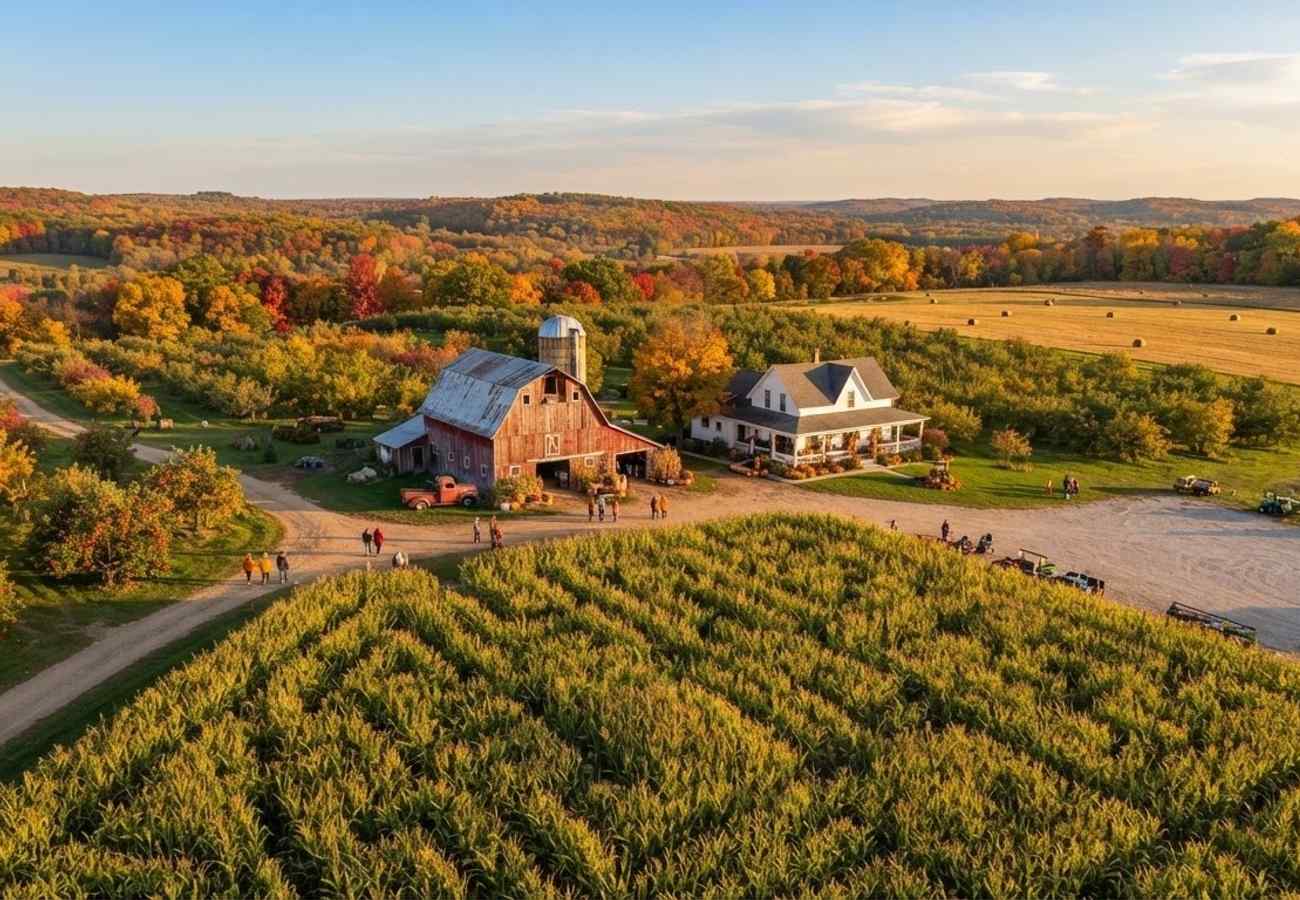
Image generated by AI
[Madison, September 14, 2026] — The 2026 autumn agritourism season is officially underway across Wisconsin, with rural attractions operating through November 1 to capitalize on peak harvest cycles and fall foliage.
Travelers are currently flooding into the state's rural corridors to engage in experiential tourism, ranging from complex geometric corn mazes to heritage apple orchards. The surge in seasonal visits is supported by a diversified network of family-run farms that have integrated educational outreach with recreational leisure, transforming traditional agriculture into a primary tourist draw for the Midwest.
The Economic Driver of Rural Tourism
The current influx of visitors is not merely a leisure trend but a critical financial pillar for the state's interior. Data provided by the Wisconsin Department of Agriculture, Trade and Consumer Protection (DATCP) indicates that agritourism serves as a vital economic engine, bringing hundreds of thousands of seasonal travelers into rural communities.
This economic activity is concentrated in specific geographic clusters. The Door County peninsula remains a primary hub for fruit production, while the rolling terrain of the Driftless Area attracts those seeking diverse topography and specialized agricultural products. These regions utilize their unique landscapes to ensure a varied experience for tourists, preventing destination fatigue by offering distinct specialties in every county.
Seasonal Attractions and Family Programming
The 2026 season emphasizes a blend of entertainment and agricultural science. Corn mazes have evolved into high-tech attractions, with many farms deploying GPS-mapped designs. These labyrinths are tiered by difficulty, offering simple paths for children and high-complexity puzzles for adults.
Beyond the entertainment value, these sites are functioning as open-air classrooms. Many destinations have installed educational signage that teaches visitors about:
- Soil conservation techniques and crop science.
- The biological lifecycle of corn and other staple crops.
- Biosecurity measures used to protect heritage livestock.
Pumpkin patches have similarly expanded, moving beyond standard pumpkins to offer a wide array of ornamental gourds and specific squash varieties intended for culinary use. To complement these activities, farms are operating farm-to-table stands featuring regional staples like homemade apple cider doughnuts and petting zoos focused on rare livestock breeds.
Orchard Traditions and Cider Production
Fruit harvesting remains a central pillar of the Wisconsin autumn identity. Orchards are currently inviting the public to participate in "pick-your-own" events, focusing on high-demand varieties including Honeycrisp, Cortland, and McIntosh.
The timing of these harvests is strictly tied to local microclimates. Early-season varieties typically peak in September, while late-season harvests extend throughout October. This staggered ripening allows for a prolonged tourism window.
A significant draw for 2026 is the presence of on-site cider mills. These facilities utilize traditional wooden presses to create unpasteurized cider. Visitors can take guided tours that explain the technical aspects of fruit cultivation, including:
- The science of grafting to ensure fruit quality.
- Integrated pest management strategies.
- The historical evolution of Midwest fruit farming.
The Expansion of Cold-Hardy Viticulture
Wisconsin's wine industry has seen a notable expansion in 2026, with vineyards increasingly integrated into the agritourism circuit. The state's continental climate has proven successful for cold-hardy grape varieties such as Itasca, Frontenac, and Marquette.
Autumn vineyard tours are currently focusing on the "crush"—the final stage of grape ripening and processing. These experiences are often paired with artisanal cheese tastings, highlighting the synergy between the state's dairy and viticulture sectors.
Many of these wineries are now adhering to strict sustainable farming guidelines. Visitors are encouraged to learn about eco-friendly management, including canopy management and the use of cover cropping to maintain soil health, all while viewing the seasonal change in foliage.
What This Means for Travelers
For those planning a visit to Wisconsin's rural districts this season, the experience is highly dependent on real-time agricultural conditions. Unlike traditional theme parks, these attractions are subject to weather volatility and crop availability.
Passenger and Visitor Impact:
- Scheduling: Visitors must verify operational hours daily, as harvest windows can shift based on temperature and rainfall.
- Pet Policies: Due to strict biosecurity and food safety standards, many working farms prohibit outside animals. Travelers should confirm pet policies via official websites before arrival.
- Direct Support: Admission fees and produce purchases go directly to local growers, making this a high-impact form of sustainable travel.
- Planning Tools: It is highly recommended to use official state agricultural directories or the Wisconsin Department of Tourism to ensure itineraries are current.
The Road to Winter Frost
As the season progresses toward the November 1 cutoff, the focus will shift from active harvesting to winter preparation. The current trend toward "experiential travel" suggests that 2026 will see a record number of visitors seeking an authentic connection to food systems.
The integration of educational components—from soil science in corn mazes to grafting techniques in orchards—indicates a shift in agritourism from simple recreation to a more mindful, educational journey. Travelers are encouraged to visit before the first hard frost, which typically signals the end of the open-air harvest season.
FAQ: Wisconsin Agritourism 2026
When is the best time to visit Wisconsin farms for fall colors and harvest? The peak window runs from September through late October. Apple picking typically begins in September, while pumpkin patches and complex corn mazes reach their prime in October. Most attractions close for the season by November 1.
Are pets allowed at Wisconsin agritourism sites? Many working farms have strict "no pet" policies to maintain biosecurity and protect livestock from disease. Always check the specific farm's guidelines or the state agricultural directory before bringing animals.
Which apple varieties are most common for picking in 2026? The primary varieties available for public picking include Honeycrisp, McIntosh, and Cortland. Availability depends on the specific microclimate of the orchard and the timing of your visit.
What is the "crush" in Wisconsin vineyards? The "crush" refers to the period when grapes are harvested and pressed for winemaking. In 2026, vineyard tours are offering guided insights into this process, specifically for cold-hardy grapes like Marquette and Frontenac.
Experience the harvest before the frost sets in.
Related Travel Guides
Disclaimer
This article is for informational and educational purposes only. It does not constitute legal, financial, or professional advice. While we strive to provide accurate and up-to-date information, travel policies, regulations, and conditions change rapidly. Always verify information with official sources before making travel decisions. Nomad Lawyer makes no representations about the accuracy, reliability, completeness, or suitability of the information provided. Readers should consult qualified professionals for advice specific to their circumstances. The views expressed in this article are those of the author and do not necessarily reflect the views of Nomad Lawyer.
Preeti Gunjan
Contributor & Community Manager
A passionate traveller and community builder. Preeti helps grow the Nomad Lawyer community, fostering engagement and bringing the reader experience to life.
Learn more about our team →