
Thailand Hotel Standards 2026: The Definitive Gap Between 3-Star and 5-Star Luxury Experiences
Explore the stark divide between Thailand's 3-star and 5-star hotel sectors, analyzed through the Ministry of Tourism and Sports' official quality frameworks for 2026.

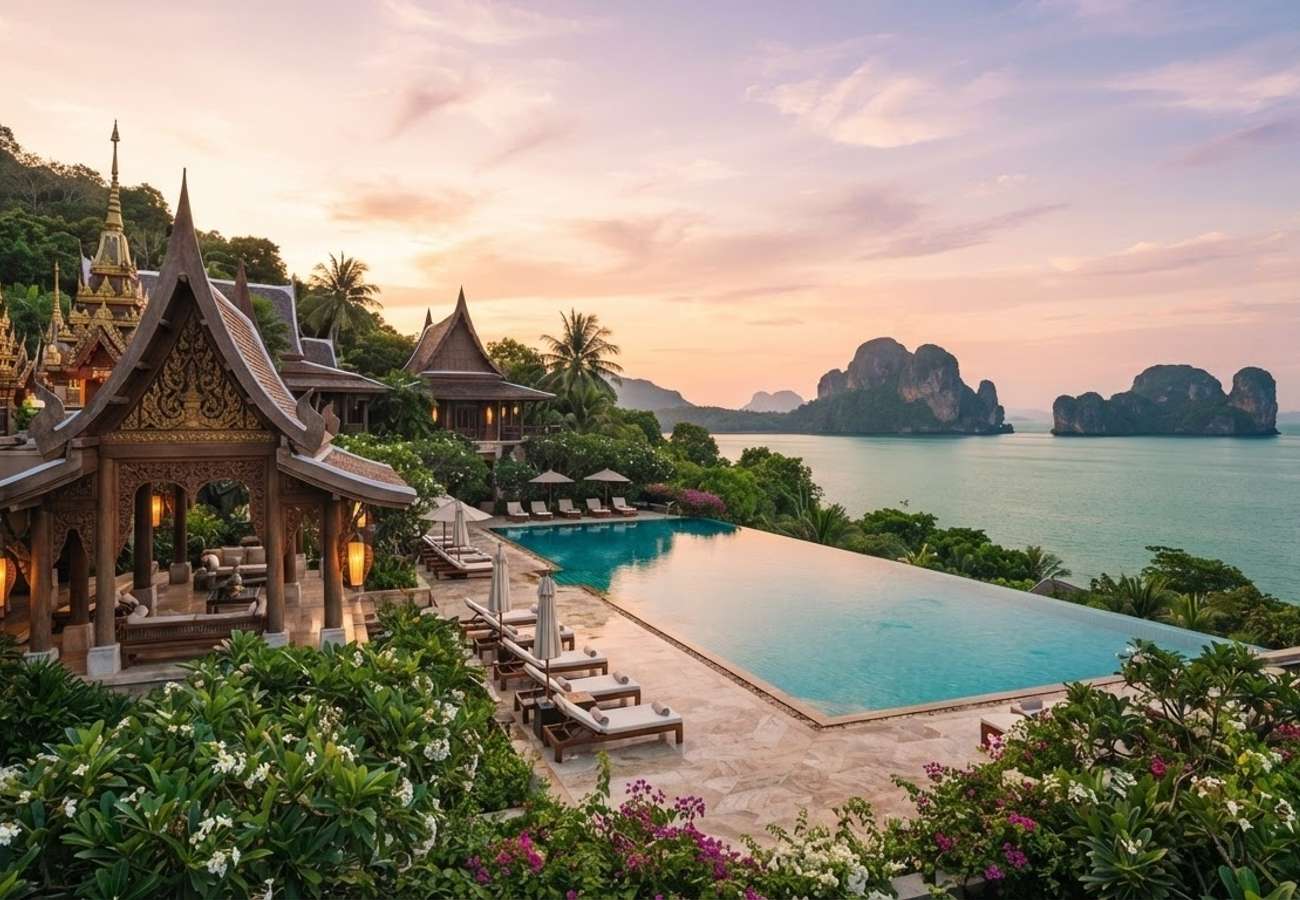
Image generated by AI
Thailand’s hospitality sector is shifting as travelers move beyond price tags to seek "true value," creating a widening divide between mid-range reliability and ultra-luxury immersion.
The Evolution of Thai Hospitality Standards
The distinction between a 3-star and 5-star property in Thailand is no longer just a marketing label; it is a regulated benchmark of operational quality. To maintain international confidence, the Ministry of Tourism and Sports and the Department of Tourism have implemented rigorous tourism quality systems. These frameworks ensure that star ratings correlate directly with safety, service quality, and visitor satisfaction.
Central to this is the Thailand Hotel Standard Foundation, which manages a strict assessment system for categories ranging from two to five stars. For the traveler, this means that certification is not self-assigned but is linked to the Department of Tourism, providing a guaranteed baseline of what to expect upon check-in.
The Mid-Range Anchor: 3-Star Hotel Value
Three-star properties serve as the backbone of Thailand's tourism economy, catering to the "explorer" demographic—travelers who prioritize the destination over the duvet thread count. These hotels focus on efficiency and practical guest needs.
The 3-star experience is defined by:
- Functional Comfort: Clean, reliable rooms with essential amenities.
- Operational Efficiency: Basic reception and housekeeping services without the overhead of luxury fluff.
- Strategic Location: Often situated near transit hubs or cultural landmarks to facilitate easy exploration.
For those spending their days navigating the street markets of Bangkok or the temples of Chiang Mai, these properties offer the optimal balance of cost and comfort.
The Luxury Ecosystem: 5-Star Immersive Experiences
In contrast, 5-star hotels in Thailand have transitioned from providing "accommodation" to curating "hospitality journeys." According to the Thailand Hotel Standard Foundation, the 5-star assessment requires a vastly more extensive set of capabilities.
The luxury segment competes on the depth of the experience rather than just the physical room. This includes:
- Anticipatory Service: While 3-star staff respond to requests, 5-star staff are trained to anticipate needs before they are voiced.
- Comprehensive Wellness: Integration of high-end spas, executive lounges, and multiple fine-dining concepts.
- Personalization: Dedicated concierge operations that handle bespoke travel arrangements and cultural curation.
The Service Divide: Reactive vs. Proactive
The most significant gap between these two tiers is not the gold leaf in the lobby, but the service delivery model.
3-star hotels operate on a standard service model, where assistance is provided upon request. 5-star properties utilize a relationship management model. Research into Thailand's luxury sector indicates that guest trust and reputation are directly tied to this proactive approach. Every interaction, from the airport greeting to the turn-down service, is designed to be a seamless, personalized touchpoint.
Facility Comparison: Essential vs. Extensive
The physical infrastructure further separates the two categories. While a 3-star hotel provides the basics—breakfast services and standard meeting rooms—the 5-star property functions as a destination in itself.
| Feature | 3-Star Standard | 5-Star Standard |
|---|---|---|
| Dining | Basic breakfast / Simple cafe | Multiple specialty restaurants / Fine dining |
| Wellness | Basic gym or small pool | Full-service luxury spa / Infinity pools |
| Support | Standard reception | 24/7 Personalized concierge / Butler service |
| Rooms | Functional, clean, essential | Premium design, high-end linens, smart tech |
| Events | Basic meeting rooms | Extensive ballroom and executive event facilities |
Visitor Insider Tips
To get the most out of Thailand's diverse hotel landscape, consider these local expert recommendations:
- The "Hybrid" Strategy: Many seasoned nomads split their trip—staying in high-quality 3-star boutique hotels in urban centers to save budget for a 3-day "splurge" at a 5-star resort in Phuket or Koh Samui.
- Verify the Seal: Look for the official certification from the Department of Tourism. In a market with many "self-proclaimed" luxury villas, the government-backed seal is the only guarantee of safety and service standards.
- Off-Peak Luxury: Visit during the "green season" (May to October). 5-star properties often drop rates significantly, allowing you to experience world-class service at a mid-range price point.
- Cultural Etiquette: In 5-star environments, the "Wai" (traditional greeting) is standard. Reciprocating this gesture to hotel staff is highly appreciated and aligns with the local culture of mutual respect.
Tourism Outlook
As Thailand continues to compete with other Asian powerhouses, the pressure on luxury properties to innovate is increasing. We are seeing a shift toward "regenerative luxury," where 5-star hotels integrate community support and eco-tourism initiatives into their guest experiences. Meanwhile, 3-star hotels are upgrading their digital infrastructure to attract a younger, tech-savvy generation of independent travelers.
Choosing between a 3-star and 5-star hotel in Thailand is ultimately a choice between a place to sleep and a place to be pampered.
Related Travel Guides
Disclaimer
This article is for informational and educational purposes only. It does not constitute legal, financial, or professional advice. While we strive to provide accurate and up-to-date information, travel policies, regulations, and conditions change rapidly. Always verify information with official sources before making travel decisions. Nomad Lawyer makes no representations about the accuracy, reliability, completeness, or suitability of the information provided. Readers should consult qualified professionals for advice specific to their circumstances. The views expressed in this article are those of the author and do not necessarily reflect the views of Nomad Lawyer.
Raushan Kumar
Founder & Lead Developer
Full-stack developer with 11+ years of experience and a passionate traveller. Raushan built Nomad Lawyer from the ground up with a vision to create the best travel and law experience on the web.
Learn more about our team →