
Kurdistan Region Mandates Cultural Integration for 5-Star Hotels and Luxury Dining in 2026
The Kurdistan Region’s Board of Tourism has implemented strict new regulations requiring five-star hotels and high-end restaurants to integrate authentic Kurdish handicrafts, arts, and local employment to prevent cultural homogenisation.

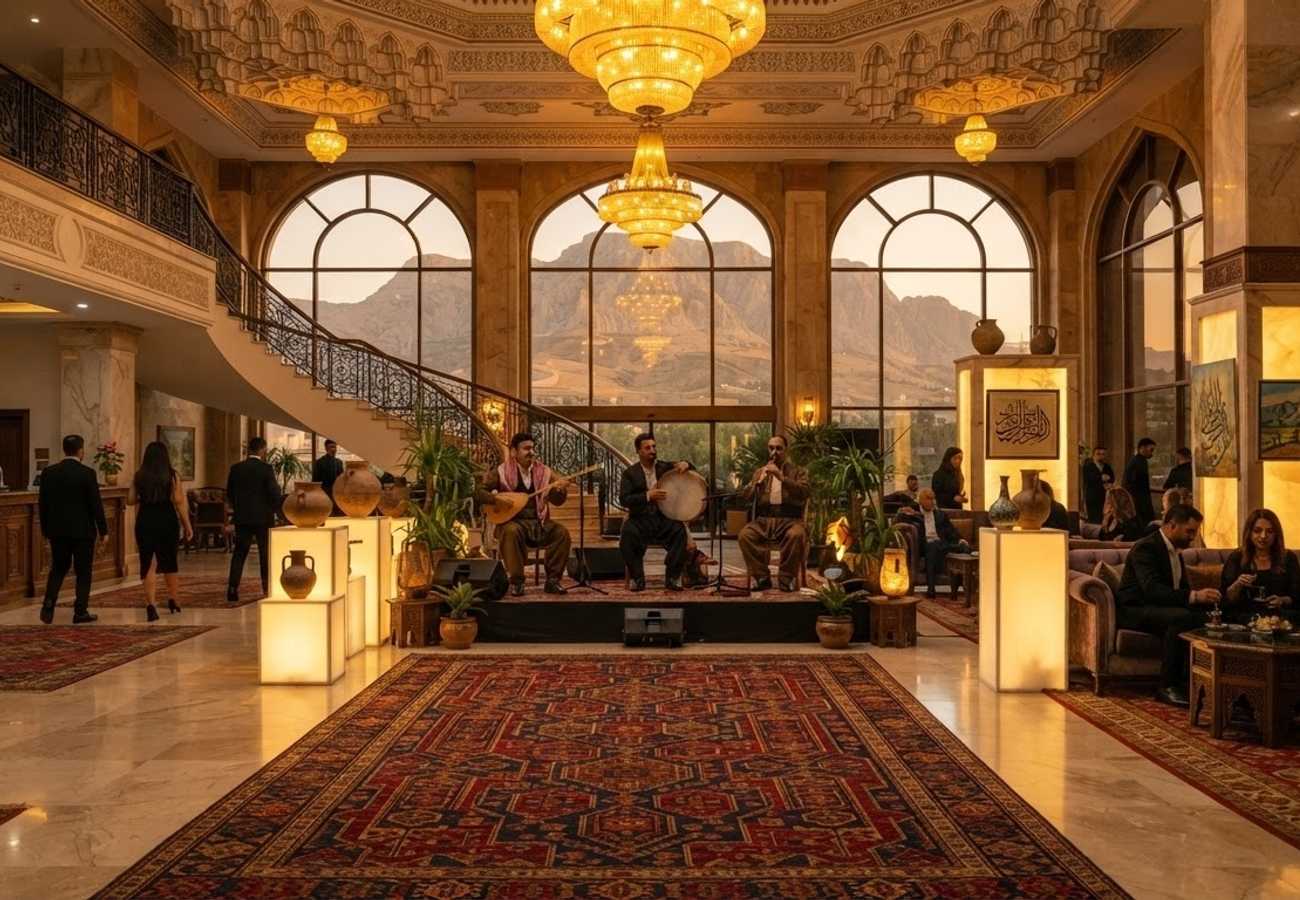
Image generated by AI
The Kurdistan Region’s Board of Tourism has shifted luxury hospitality from a service-based model to a mandate of cultural stewardship, requiring top-tier establishments to actively preserve indigenous heritage.
The Kurdistan Region is implementing a seismic shift in its hospitality sector. Under new directives from the Board of Tourism, five-star hotels and high-end restaurants must now integrate local cultural heritage into their core operations. This is no longer a voluntary aesthetic choice but a regulatory requirement enforced through strict field-monitoring.
The mandate targets the risk of cultural homogenisation often found in global luxury chains. By forcing the integration of regional identity, the government aims to ensure that the expansion of the tourism sector directly benefits local creators and preserves the unique Kurdish identity.
Regulatory Requirements for Luxury Establishments
Compliance is now measured by how effectively a venue incorporates regional identity. The Board of Tourism has outlined three primary pillars of integration:
- Visual Arts and Handicrafts: Properties must curate and display authentic Kurdish rugs, pottery, and contemporary visual artworks produced by local artists.
- Employment Mandates: Establishments are required to prioritize the hiring of local talent, specifically targeting recent university graduates, skilled artisans, and regional hospitality professionals.
- Auditory Heritage: Live performances by regional musicians must be integrated into the venue's programming to ensure indigenous soundscapes are represented.
Enforcement and Penalty Framework
To ensure these rules are not ignored, the Board of Tourism has deployed field-monitoring teams. These teams conduct unannounced inspections to verify that cultural and employment mandates are being met.
The region has adopted a graduated penalty system to handle non-compliance:
- Initial Phase: Warnings and minor fines are issued to allow for corrective action.
- Escalation: Persistent failure to meet standards results in increasing financial and administrative penalties.
- Final Action: Severe or repeated non-compliance leads to formal suspension and the permanent closure of the business.
Economic Pipeline for Local Talent
This legislation transforms luxury hotels into economic conduits for the local population. Historically, high-end tourism often bypassed independent creators. The new framework creates a direct commercial pipeline for:
- University Graduates: Direct integration into high-growth hospitality networks.
- Traditional Artisans: Guaranteed exhibition and commercial spaces within high-traffic, luxury environments.
- Regional Musicians: Consistent professional opportunities within the premium dining and lodging sectors.
Why This Matters: Industry Analysis
From a logistical and market perspective, this is a bold move to decouple "luxury" from "Westernization." For too long, five-star ratings have been synonymous with a standardized, globalized aesthetic that looks the same in Erbil as it does in Dubai or London.
For travelers, the real impact is the elimination of the "tourist bubble." By mandating that the art on the walls and the music in the lobby be authentic to the region, the Kurdistan Region is effectively turning its luxury infrastructure into a living museum. For investors and hotel operators, the risk profile has changed; operational success is now tied to community integration and cultural authenticity rather than just service KPIs.
Forward Outlook
Expect a surge in demand for certified Kurdish artisans and cultural consultants as hotels scramble to meet these mandates. We anticipate that other regions in Iraq and neighboring territories may adopt similar "cultural quotas" to protect their heritage from the diluting effects of mass tourism. The next phase of this rollout will likely include more specific quotas on the percentage of local hires versus expatriate management in the luxury sector.
Luxury is being redefined as authenticity in the heart of Kurdistan.
Related Travel Guides
Disclaimer
This article is for informational and educational purposes only. It does not constitute legal, financial, or professional advice. While we strive to provide accurate and up-to-date information, travel policies, regulations, and conditions change rapidly. Always verify information with official sources before making travel decisions. Nomad Lawyer makes no representations about the accuracy, reliability, completeness, or suitability of the information provided. Readers should consult qualified professionals for advice specific to their circumstances. The views expressed in this article are those of the author and do not necessarily reflect the views of Nomad Lawyer.
Naina Thakur
Contributor & Travel Specialist
Travel enthusiast and legal writer covering visa regulations, responsible tourism, and cultural journeys across global destinations.
Learn more about our team →