
Dubai Tourism Hotels Face Occupancy Crisis Despite $400M Aid Package
Dubai's $400 million tourism stimulus fails to reverse the occupancy crisis in 2026, with hotels reporting 10% occupancy rates and 90% vacant rooms as the peak summer season approaches.

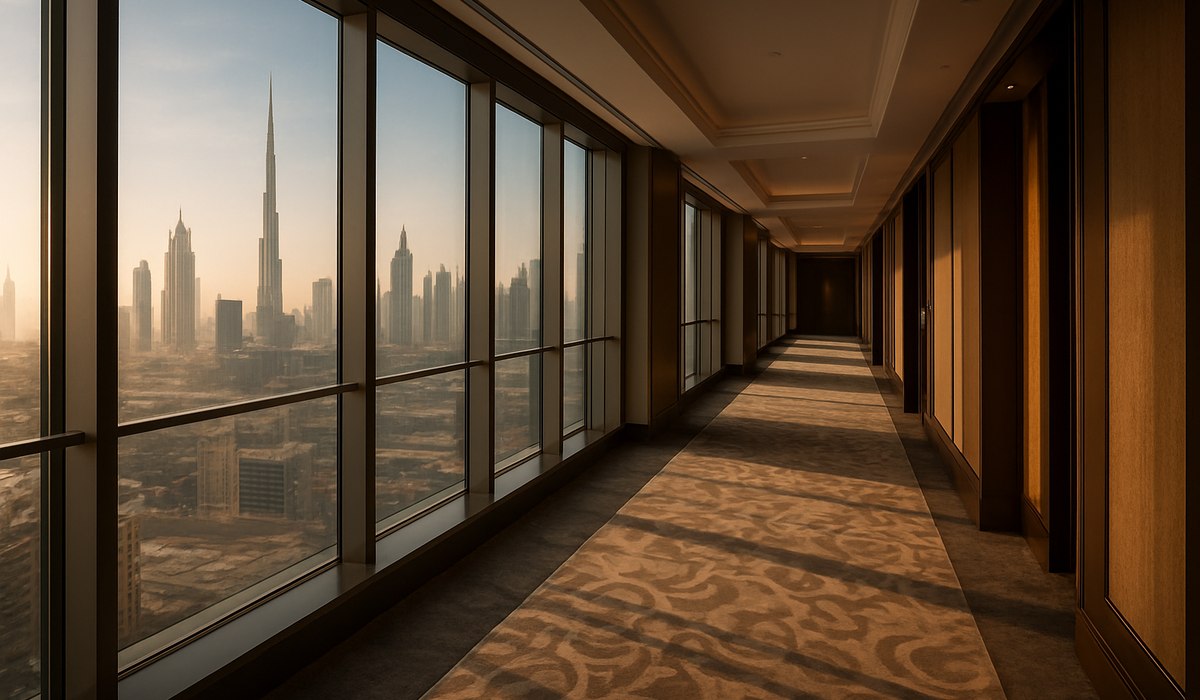
Image generated by AI
Dubai's $400M Tourism Bailout Fails to Fill Empty Rooms
Dubai's hotel industry faces a critical turning point in 2026 as government intervention falls short of reversing alarming occupancy rates. Despite injecting $400 million in stimulus measures, the emirate's accommodation sector continues struggling with a devastating 10% occupancy rate heading into the summer season. With nine out of every ten hotel rooms sitting empty, operators are questioning whether fee exemptions and subsidies can address the fundamental demand problem plaguing Dubai tourism hotels.
The financial aid package, while substantial, represents a temporary band-aid rather than a long-term solution for an industry grappling with unprecedented market conditions. Hotel operators acknowledge the government's efforts but warn that structural market forces demand more aggressive intervention strategies.
Dubai's $400M Tourism Bailout: What's Actually Included
The government relief package targets multiple pain points affecting Dubai tourism hotels. Fee exemptions represent the cornerstone initiative, eliminating licensing charges, municipality fees, and utility surcharges for qualifying properties. The stimulus also includes waived tourism promotion fees and reduced operational levies designed to improve hotel profitability during this demand crisis.
Additional components include workforce development funding and marketing support aimed at attracting regional and international visitors. However, these measures primarily reduce costs rather than generate new demand. Industry analysts note that while the $400 million allocation demonstrates government commitment, the distribution mechanism prioritizes mid-range and budget properties over luxury establishments. Access to these funds requires meeting specific occupancy thresholds, creating a paradoxical situation where hotels most severely impacted struggle to qualify. Many operators view the assistance as temporary relief insufficient to address the two-year demand vacuum affecting Dubai tourism hotels throughout 2026.
Why Fee Exemptions Aren't Solving the Occupancy Problem
Fee elimination provides measurable cost savings but cannot manufacture guest arrivals. With occupancy rates hovering at 10%, hotels face a demand crisis unrelated to operational expenses. The fundamental issue stems from reduced international travel, regional economic uncertainty, and increased competition from emerging destinations.
Subsidies improve bottom-line margins for operators but leave pricing structures unchanged. Hotels cannot reduce rates below break-even points, creating a ceiling on competitive positioning. Guest acquisition costs remain elevated while conversion rates decline. The exemptions essentially preserve cash flow rather than accelerate recovery. Tourism economists warn that this approach treats symptoms rather than underlying causes. Dubai tourism hotels need aggressive marketing campaigns, strategic partnerships, and demand-stimulation initiatives rather than administrative relief. Many operators report that fee savings represent only 3-5% of daily operational costs, insufficient to offset revenue shortfalls from 90% vacancy rates.
Summer Season Looms as Hotel Industry Faces Reality Check
Peak summer season traditionally underperforms in Dubai due to extreme heat, yet 2026 presents additional challenges. Historically, summer occupancy rates typically reach 25-35%. Current trajectory suggests rates may remain below 15%, marking an unprecedented contraction.
Corporate travel patterns have shifted fundamentally post-2025. Conference tourism, which traditionally drives summer demand, shows diminished recovery. Family leisure travelers increasingly select cooler destinations. Airlines continue reducing flight frequency to Dubai, limiting visitor supply. Hotel operators prepare for what many consider an inevitability: significant property closures or extended maintenance periods.
The summer months represent a critical test of industry viability. Properties unable to achieve break-even occupancy during traditionally softer periods face difficult strategic choices. Some operators consider temporary closures to reduce cash burn. Others accelerate employee reductions despite government discouragement. The $400 million stimulus essentially buys time until September when conventional travel patterns typically resume. This breathing room allows operators to stabilize finances but provides no assurance of recovery.
Operator Sentiment: When Subsidies Can't Fix Demand
Hotel executives acknowledge appreciation for government support while expressing realistic skepticism about recovery timelines. Industry surveys reveal that 72% of operators expect occupancy rates below 20% throughout summer 2026. Sentiment regarding the $400 million package remains cautiously positive but unoptimistic regarding impact on bookings.
"Fee exemptions help our P&L," stated representatives from multiple mid-range properties anonymously, "but they don't drive reservations." This sentiment pervades operator conversations across Dubai tourism hotels of all categories. The psychological reality that subsidies provide temporary relief rather than solution looms large. Many operators question whether demand stimulation funding will materialize as promised. Others point to neighboring emirates successfully capturing displaced Dubai tourism through competitive positioning.
Hotel industry associations report membership sentiment shifting toward acceptance of lower profitability targets through 2026. Operators increasingly view survival through summer as primary objective rather than revenue recovery. This defensive posture reflects realistic assessment of market conditions affecting Dubai tourism hotels and regional travel patterns.
| Metric | Current Status | Expected Peak Season | Year-Over-Year Change |
|---|---|---|---|
| Overall Occupancy Rate | 10% | ~15% (projected) | -72% decline |
| Vacant Rooms | ~90% | ~85% (projected) | Historically lowest |
| Fee Exemption Coverage | ~$400M allocated | Partial utilization | First-time stimulus |
| Hotel Properties Affected | 700+ establishments | Industry-wide impact | Unprecedented scope |
| Average Daily Rate | Severely discounted | Marginal improvement | -45% from 2025 |
| Expected Recovery Timeline | Q4 2026 at earliest | Gradual improvement | 18-24 month outlook |
What Guests Get
Travelers booking Dubai tourism hotels in summer 2026 benefit from unprecedented value propositions. Occupancy rates below 10% force properties to offer substantial rate reductions and complimentary upgrades. Many establishments provide executive lounge access, spa credits, and enhanced amenities at standard room prices.
The silver lining for budget-conscious travelers involves accessing luxury properties at mid-range rates. Newly renovated facilities compete aggressively with deep discounts. Booking flexibility improves markedly, with properties offering flexible cancellation policies and date modifications. Group bookings and extended stays attract additional incentives. Properties waiving resort fees represent another meaningful benefit. Travelers should capitalize on current market conditions while supply significantly exceeds demand, resulting in exceptional value across Dubai tourism hotels.
What This Means for Travelers
The occupancy crisis creates unique opportunities for strategic travelers:
-
Secure luxury accommodations at fraction of standard rates. Top-tier properties implement aggressive discounting to attract any occupancy gains. Compare standard rates against 2025 pricing to identify genuine savings.
-
Negotiate package deals directly with hotels. Occupancy pressure encourages properties to bundle amenities, dining credits, and activities with room bookings at no additional cost.
-
Plan visits during shoulder periods for maximum negotiating leverage. June through early September offer lowest rates but also extreme heat. Consider October for improved weather with persistent occupancy advantages.
-
Book longer stays to attract volume-based incentives. Hotels desperate for any occupancy extend significant discounts for week-plus bookings or monthly arrangements.
-
Monitor cancellation policies carefully. Properties implement flexible terms to encourage bookings, but verify specific terms before commitment.
-
Consider alternative emirates offering better demand stability. Abu Dhabi and Sharjah maintain healthier occupancy, potentially offering better service quality if budget permits.
FAQ: Dubai Tourism Hotels Occupancy Crisis
Q: How low are Dubai occupancy rates in May 2026? A: Dubai tourism hotels report approximately 10% occupancy rates, with some segments experiencing rates as low as 8%. This represents a 72% decline from previous years and coincides with reduced international travel and regional economic uncertainty affecting the broader hospitality sector.
Q: Will the $400 million stimulus package increase hotel bookings? A: The $400 million primarily reduces operational costs rather than generating demand. Fee exemptions improve hotel profitability but cannot independently drive reservations. Observers expect marginal booking increases as tourists respond to reduced rates rather than subsidy-driven improvements.
**Q: When might Dubai tourism hotels recover normal occupancy rates?
Disclaimer
This article is for informational and educational purposes only. It does not constitute legal, financial, or professional advice. While we strive to provide accurate and up-to-date information, travel policies, regulations, and conditions change rapidly. Always verify information with official sources before making travel decisions. Nomad Lawyer makes no representations about the accuracy, reliability, completeness, or suitability of the information provided. Readers should consult qualified professionals for advice specific to their circumstances. The views expressed in this article are those of the author and do not necessarily reflect the views of Nomad Lawyer.
Kunal K Choudhary
Co-Founder & Contributor
A passionate traveller and tech enthusiast. Kunal contributes to the vision and growth of Nomad Lawyer, bringing fresh perspectives and driving the community forward.
Learn more about our team →