
Thailand Aviation Boom Could Unlock New Tourism Growth Through US$18.8 Billion Aircraft Deal
Thailand Aviation Boom Could Unlock New Tourism Growth Through US$18.8 Billion Aircraft Deal

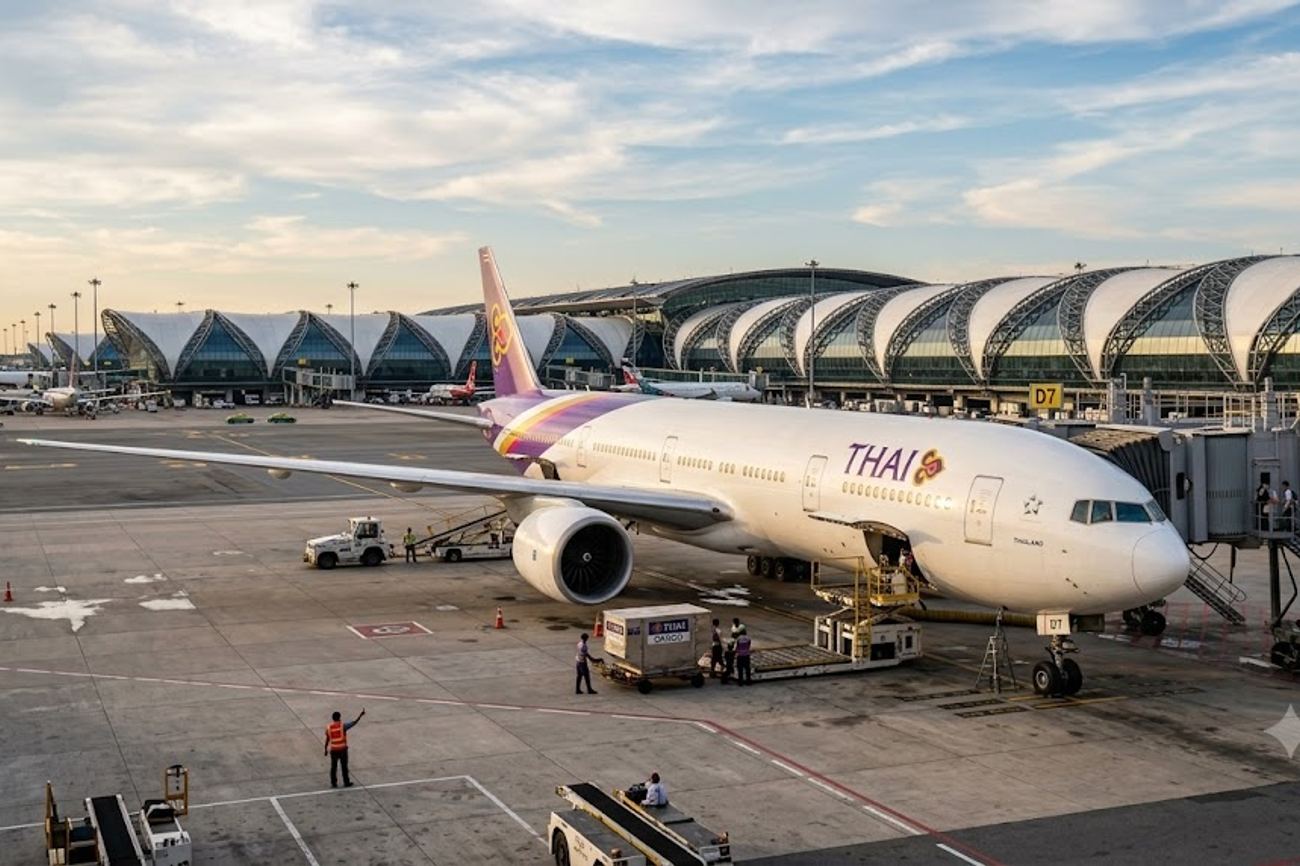
Image generated by AI
[Bangkok, January 2026] — Thailand has proposed the acquisition of 80 American-made passenger aircraft valued at $18.8 billion as a cornerstone of a sweeping new trade framework with the United States.
The proposal follows a reciprocal trade agreement established in October 2025 between the two nations. The deal, coordinated through the Office of the United States Trade Representative (USTR), seeks to stabilize Thailand's aviation sector, which has struggled with escalating operational costs and inconsistent international flight schedules. While the framework outlines the commercial commitment for the 80 aircraft, the specific delivery timelines, aircraft models, and the identity of the purchasing carriers remain undisclosed.
The Trade Framework Trigger
The massive aviation procurement is not a standalone purchase but a primary component of a broader geopolitical and economic alignment. To secure the aircraft deal and broader trade benefits, Thailand has committed to eliminating tariffs on 99% of goods imported from the United States. This includes significant annual procurement targets for other American sectors, specifically $5.4 billion in energy purchases and $2.6 billion in agricultural products.
In exchange, the United States will maintain a 19% reciprocal tariff on Thai imports, though certain products may qualify for a zero-rate tariff if they are placed on a specialized list for aligned trading partners. Beyond the hardware and tariffs, the framework incorporates strict mandates on digital trade, labor protections, environmental enforcement, and the security of global supply chains.
Affected Travelers, Airlines and Logistics
The impact of this procurement is distributed across the aviation supply chain, government agencies, and the tourism sector. Because the framework is a high-level commercial commitment rather than a finalized delivery schedule, the immediate effects are strategic rather than operational.
| Stakeholder | Primary Impact |
|---|---|
| Thai Airlines | Potential fleet modernization and reduction in fuel expenditures. |
| US Manufacturers | Massive order book increase totaling $18.8 billion. |
| Bangkok Airports | Increased pressure on gates, stands, and immigration at Suvarnabhumi Airport. |
| Regional Hubs | Potential for increased feeder traffic to Phuket, Chiang Mai, and Koh Samui. |
| US Exporters | Expanded market access due to the removal of 99% of Thai tariffs. |
Practical Traveler Advisory and Strategic Insights
For the average passenger, this announcement does not translate to immediate changes in flight availability or ticket pricing. Despite the scale of the aircraft order, there are currently no confirmed plans to launch new long-haul routes. Furthermore, the cost of flying to distant destinations is unlikely to decrease in the near term.
The practical implications for travelers are as follows:
- Fleet Modernization: Passengers may eventually see newer, more fuel-efficient aircraft on existing routes, which typically offers better cabin amenities and reliability.
- Capacity Stability: The addition of new aircraft allows airlines to better manage maintenance cycles, potentially reducing the number of cancellations caused by mechanical failures of aging fleets.
- No Immediate Fare Drops: Do not expect "sale" fares to long-haul destinations based on this news; aircraft procurement is a long-term capital investment, not a short-term pricing strategy.
- Booking Trends: Current data shows a shift toward last-minute bookings. With a three-month advance booking rate dropping to 18.06% in July 2026, travelers are behaving with more spontaneity, despite the overall increase in arrivals.
Infrastructure and Economic Outlook
The success of this aviation boom depends entirely on Thailand's ability to scale its ground infrastructure. Adding 80 aircraft to the national fleet without expanding airport capacity would lead to severe bottlenecks. The primary gateways in Bangkok must expand their immigration halls, baggage handling systems, and gate availability to prevent congestion from erasing the benefits of increased seat capacity.
The economic recovery remains uneven across the country. While July 2026 saw a surge to 2.55 million international arrivals—up from 1.84 million in June—the benefits are not felt equally across all provinces. Accommodation occupancy in the central region (72.40%) and southern region (71.65%) significantly outperforms northern Thailand (60.58%) and the north-east (67.74%).
The strategic expansion of Thailand's aviation fleet is expected to significantly increase seat capacity and connectivity to global hubs. This growth aligns with the broader promotional efforts of the Tourism Authority of Thailand, which aims to diversify visitor demographics and boost arrivals through enhanced air accessibility.
If Thai carriers successfully deploy these new aircraft to feed secondary destinations, it could bridge this regional gap. However, this requires coordinated scheduling between international arrivals in Bangkok and domestic connections to regional hubs.
FAQ: Thailand Aviation Expansion 2026
Will this deal lead to cheaper flights to the US or Europe? No. The framework focuses on fleet capacity and trade relations. There is no indication that these aircraft will be used to lower passenger fares for long-haul travel in the foreseeable future.
When will the new planes start flying? Specific delivery dates have not been released. The 80 aircraft represent a commercial commitment within a trade framework, not a scheduled delivery list.
Which airlines are getting the new planes? The USTR framework does not name the specific purchasing airlines. It is an aggregate commitment for the Thai aviation industry.
How does this affect tourism in northern Thailand? While the planes land in Bangkok, the goal is to increase overall capacity. If airlines use the new fleet to improve connections to the north, occupancy rates in that region could rise from the current 60.58%.
Aviation growth is a numbers game, but the real victory for Thailand will be found in the immigration queues and airport gates.
Related Travel Guides
- Japan–Thailand Keeps Pace With Asia’s Expanding Travel Corridors as Air Connectivity Shapes Longer Stays
- UK Holidaymakers Face New TUI Warning As Airport Currency Exchange Mistakes Could Raise Travel Costs Abroad
- Minneapolis Saint Paul International Airport Prepares for 2026 MEA Travel Rush Amid Reduced Airline Seat Capacity
Disclaimer
This article is for informational and educational purposes only. It does not constitute legal, financial, or professional advice. While we strive to provide accurate and up-to-date information, travel policies, regulations, and conditions change rapidly. Always verify information with official sources before making travel decisions. Nomad Lawyer makes no representations about the accuracy, reliability, completeness, or suitability of the information provided. Readers should consult qualified professionals for advice specific to their circumstances. The views expressed in this article are those of the author and do not necessarily reflect the views of Nomad Lawyer.
Naina Thakur
Contributor & Travel Specialist
Travel enthusiast and legal writer covering visa regulations, responsible tourism, and cultural journeys across global destinations.
Learn more about our team →