
Strings Hotel Tokyo InterContinental Rebrands as InterContinental Tokyo Shinagawa in December 2026
The Strings Hotel Tokyo InterContinental will officially transition to InterContinental Tokyo Shinagawa on December 1, 2026, to better align its luxury branding with its strategic location near one of Tokyo's primary transport hubs.

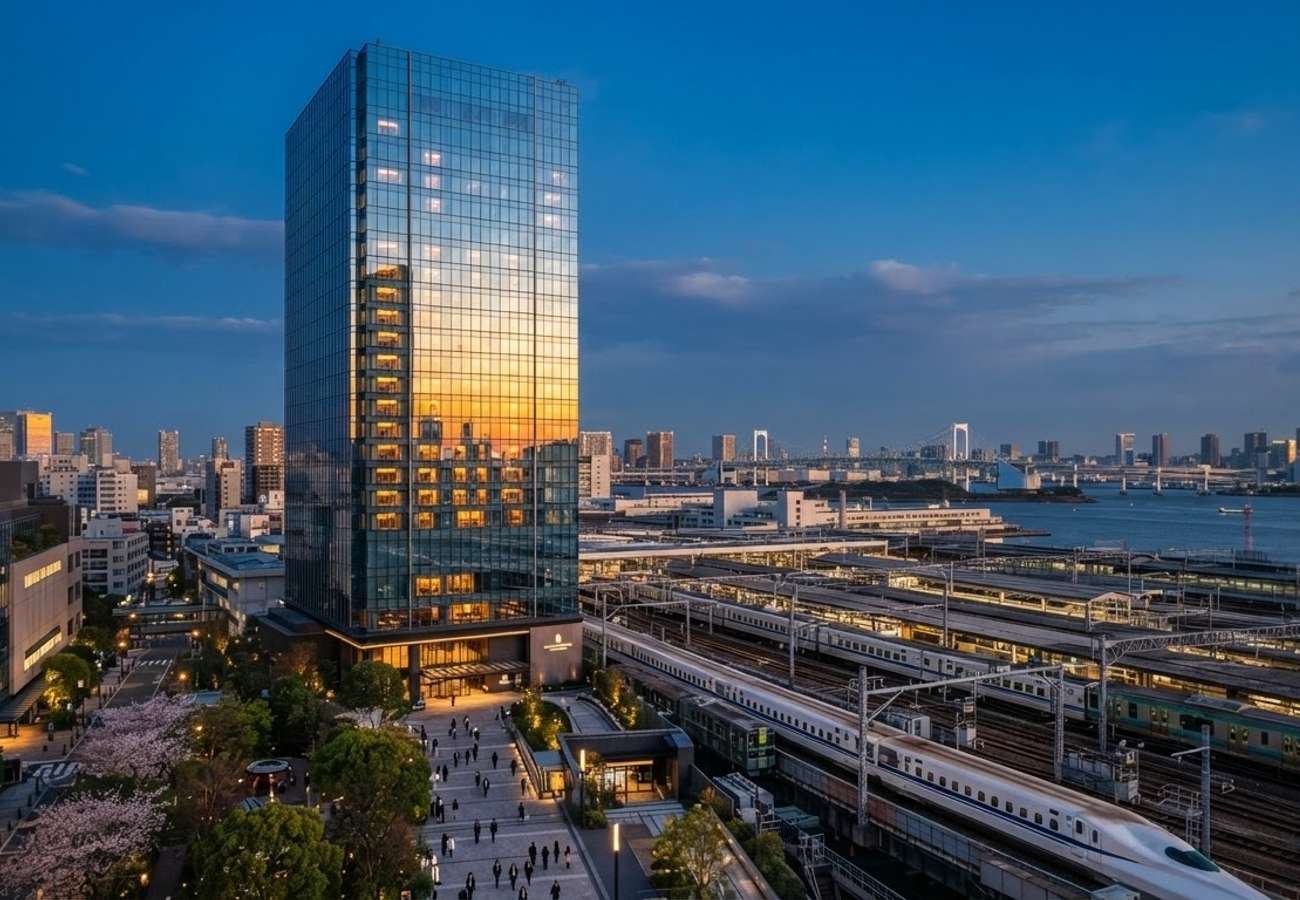
Image generated by AI
The Strings Hotel Tokyo InterContinental will officially transition to the InterContinental Tokyo Shinagawa name on December 1, 2026. This strategic rebranding aims to immediately signal the property's proximity to one of Japan's most critical transport gateways for international arrivals.
Strategic Identity Shift in Tokyo's Gateway District
The transition from The Strings by InterContinental Tokyo to InterContinental Tokyo Shinagawa is an identity update rather than a change in ownership or operational structure. The property will continue to function as a luxury pillar within the InterContinental Hotels & Resorts portfolio.
Our analysis indicates that this move is a response to evolving traveler behavior, where guests increasingly prioritize neighborhood identity and transit connectivity over abstract brand names. By embedding "Shinagawa" into the primary title, the hotel optimizes its visibility for travelers utilizing the Shinkansen high-speed rail network.
Operational Impact and Property Specifications
The rebranding process is designed to be seamless, with no disruption to guest services or existing contractual obligations.
Key Transition Details:
- Effective Date: December 1, 2026.
- Reservation Status: All existing bookings remain valid; no action is required from guests.
- Digital Transition: Website and Third-Party Booking (OTA) updates will occur gradually across different platforms.
- Physical Location: The hotel remains situated on floors 26 through 32 of the Shinagawa East One Tower.
- Capacity: The property continues to offer 203 luxury guest rooms.
Transport Connectivity and Location Analysis
The property is positioned approximately a one-minute walk from JR and Keikyu Shinagawa Station. This location is a primary advantage for both corporate and leisure travelers due to the following connectivity factors:
- Airport Logistics: Direct and efficient access routes to Haneda Airport.
- Intercity Travel: Immediate proximity to the Shinkansen network, facilitating rapid transit to Osaka, Kyoto, and other major Japanese cities.
- Urban Access: Local rail links providing streamlined access to central Tokyo's primary sightseeing and business districts.
Guest Experience and Facility Overview
Despite the name change, the service offering remains focused on high-end luxury and business utility. The property continues to provide:
- Premium Accommodations: Rooms featuring panoramic Tokyo skyline views.
- Exclusive Services: Access to Club InterContinental for eligible guests.
- Corporate Infrastructure: Specialized meeting facilities and dining venues tailored for business events.
Passenger Rights & Advisory (Information Gain)
For the affected traveler, a hotel rebranding can occasionally lead to confusion during check-in or when coordinating airport transfers. Our analysis of hospitality standards suggests the following precautions:
For guests with existing reservations: Since the rebranding occurs on December 1, 2026, those with bookings spanning this date should ensure their confirmation vouchers are updated. While the hotel confirms reservations remain valid, presenting a voucher with the "old" name at a "newly" branded entrance can cause minor delays. We recommend saving a digital copy of the original confirmation.
For those booking new stays: If you are searching for the property on aggregators (Expedia, Booking.com, etc.), be aware that some platforms may list the hotel under both names during the transition period. To avoid duplicate bookings, verify the address (Shinagawa East One Tower) rather than relying solely on the name.
For transport coordination: If you have pre-arranged private chauffeur services or airport shuttles, notify your provider of the name change to ensure drivers are searching for "InterContinental Tokyo Shinagawa" to avoid routing errors.
Industry Analyst View
This rebranding reflects a broader trend in global luxury hospitality where "destination-centric" branding is replacing "concept-centric" naming. In a hyper-competitive market like Tokyo, the ability to instantly communicate a hotel's proximity to a major transit hub like Shinagawa is a significant competitive advantage.
By shifting the focus to the district, the InterContinental brand is not only simplifying the decision-making process for international tourists but also supporting the decentralization of Tokyo's tourism, pushing demand toward the Shinagawa business district.
A strategic pivot to location-based branding ensures the property remains a first-choice hub for the modern, transit-oriented luxury traveler.
Related Travel Guides
Disclaimer
This article is for informational and educational purposes only. It does not constitute legal, financial, or professional advice. While we strive to provide accurate and up-to-date information, travel policies, regulations, and conditions change rapidly. Always verify information with official sources before making travel decisions. Nomad Lawyer makes no representations about the accuracy, reliability, completeness, or suitability of the information provided. Readers should consult qualified professionals for advice specific to their circumstances. The views expressed in this article are those of the author and do not necessarily reflect the views of Nomad Lawyer.
Preeti Gunjan
Contributor & Community Manager
A passionate traveller and community builder. Preeti helps grow the Nomad Lawyer community, fostering engagement and bringing the reader experience to life.
Learn more about our team →