
Switzerland Luxury Tourism Growth 2026: Badrutt’s Palace Leads Alpine Hospitality Surge
Switzerland's luxury tourism sector continues its upward trajectory in 2026, driven by record-breaking overnight stays and the global recognition of iconic institutions like Badrutt’s Palace in St. Moritz.

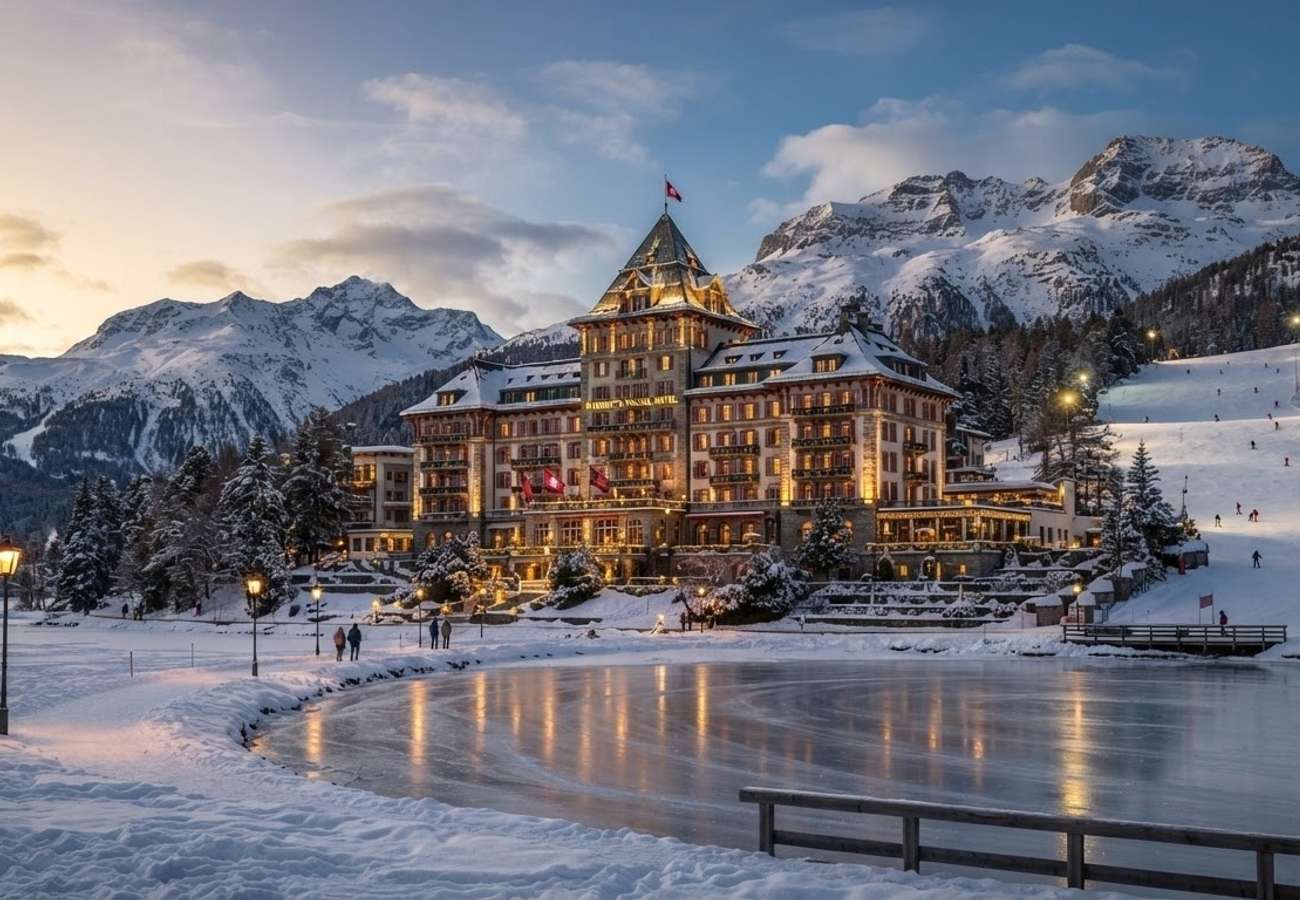
Image generated by AI
Switzerland is cementing its status as the premier global hub for high-end travel, leveraging a combination of historic heritage and modern service excellence to drive record-breaking visitor numbers in 2026.
The Swiss hospitality sector is currently experiencing a significant surge in demand, particularly within its elite mountain regions. This growth is characterized by a shift toward "experiential luxury," where high-net-worth travelers prioritize personalized service and authentic cultural connections over standard luxury amenities.
Global Recognition for Alpine Hospitality
A pivotal moment for the sector occurred with Badrutt’s Palace in St. Moritz receiving the SeiBellissimi Art of Hospitality Award 2026 at The World’s 50 Best Hotels. This accolade underscores the critical role that personalized attention and heritage play in attracting the modern luxury traveler.
Located in the Engadin Valley, Badrutt’s Palace serves as a benchmark for the Swiss hospitality model. By integrating historic architecture with contemporary service standards, the property reinforces Switzerland's ability to maintain a competitive edge in the global luxury market.
Quantifying the Swiss Tourism Boom
Data from the Swiss Federal Statistical Office reveals a robust trajectory for the national hotel sector. The industry is not merely recovering but expanding, with overnight stay figures hitting historic peaks.
In 2025, Switzerland recorded a staggering 43.9 million hotel overnight stays. This momentum has carried into 2026, with approximately 16 million overnight stays already logged between January and May. This steady influx of both domestic and international visitors provides a stable economic foundation for premium properties and regional service providers.
St. Moritz: The Epicenter of High-Value Travel
The canton of Graubünden, and specifically St. Moritz, remains the primary engine for Alpine luxury. The region's appeal lies in its diversified offering, combining world-class winter sports and wellness retreats with high-end lifestyle tourism.
Badrutt’s Palace, often described as the “living room of St. Moritz,” has been central to this identity since its founding by Caspar Badrutt in 1896. Situated at an altitude of 1,830 metres above Lake St. Moritz, the hotel utilizes its unique geography and history to attract a global clientele of celebrities and luxury enthusiasts.
Operational Profile: Badrutt’s Palace St. Moritz
The following data outlines the scale and positioning of one of Switzerland's most influential luxury assets:
| Feature | Specification |
|---|---|
| Opening Year | 1896 |
| Primary Destination | St. Moritz, Graubünden |
| Altitude | 1,830 metres |
| Total Rooms | 163 |
| Total Suites | 47 |
| 2026 Recognition | SeiBellissimi Art of Hospitality Award |
The Shift Toward Experiential Luxury
The growth observed in 2026 signals a broader trend across Europe: luxury hotels are evolving from mere accommodation providers into destinations in their own right.
Switzerland is uniquely positioned to capitalize on this trend due to several systemic advantages:
- Infrastructure: Seamless transport connectivity combined with high safety ratings.
- Natural Assets: Unparalleled Alpine landscapes that support wellness and outdoor luxury.
- Service Heritage: A long-standing tradition of precision and excellence in hospitality.
By focusing on quality-driven experiences rather than volume, the Swiss tourism strategy is successfully encouraging longer stays and increasing the average spend per visitor.
Economic Impact and Regional Synergy
The success of iconic properties like Badrutt’s Palace creates a "halo effect" that benefits the wider regional economy. High-value tourism drives significant spending beyond the hotel walls, impacting:
- Local Gastronomy: Increased demand for fine dining and authentic Swiss culinary experiences.
- Retail: Growth in luxury shopping sectors within St. Moritz and the Engadin Valley.
- Transport: Higher utilization of premium transport services for international arrivals.
Summary of Tourism Indicators
The current state of the Swiss market can be summarized by the following key performance metrics:
| Indicator | Data Point |
|---|---|
| 2025 Total Hotel Overnight Stays | 43.9 million |
| Jan–May 2026 Hotel Overnight Stays | 16 million |
| Primary Growth Driver | Experiential Luxury & Heritage |
| Key Regional Hub | Graubünden / St. Moritz |
| Data Authority | Swiss Federal Statistical Office |
Switzerland continues to prove that the intersection of tradition and innovation is the ultimate formula for luxury tourism resilience.
Related Travel Guides
Disclaimer
This article is for informational and educational purposes only. It does not constitute legal, financial, or professional advice. While we strive to provide accurate and up-to-date information, travel policies, regulations, and conditions change rapidly. Always verify information with official sources before making travel decisions. Nomad Lawyer makes no representations about the accuracy, reliability, completeness, or suitability of the information provided. Readers should consult qualified professionals for advice specific to their circumstances. The views expressed in this article are those of the author and do not necessarily reflect the views of Nomad Lawyer.
Kunal K Choudhary
Co-Founder & Contributor
A passionate traveller and tech enthusiast. Kunal contributes to the vision and growth of Nomad Lawyer, bringing fresh perspectives and driving the community forward.
Learn more about our team →