
Gulf Alliance Intensifies Pressure on Iran as US Launches ‘Project Freedom’ to Break Hormuz Blockade
In an unprecedented move, Oman and six other Gulf nations have united to pressure Iran into reopening the Strait of Hormuz, as the U.S. launches 'Project Freedom' to secure the world's most critical energy chokepoint.

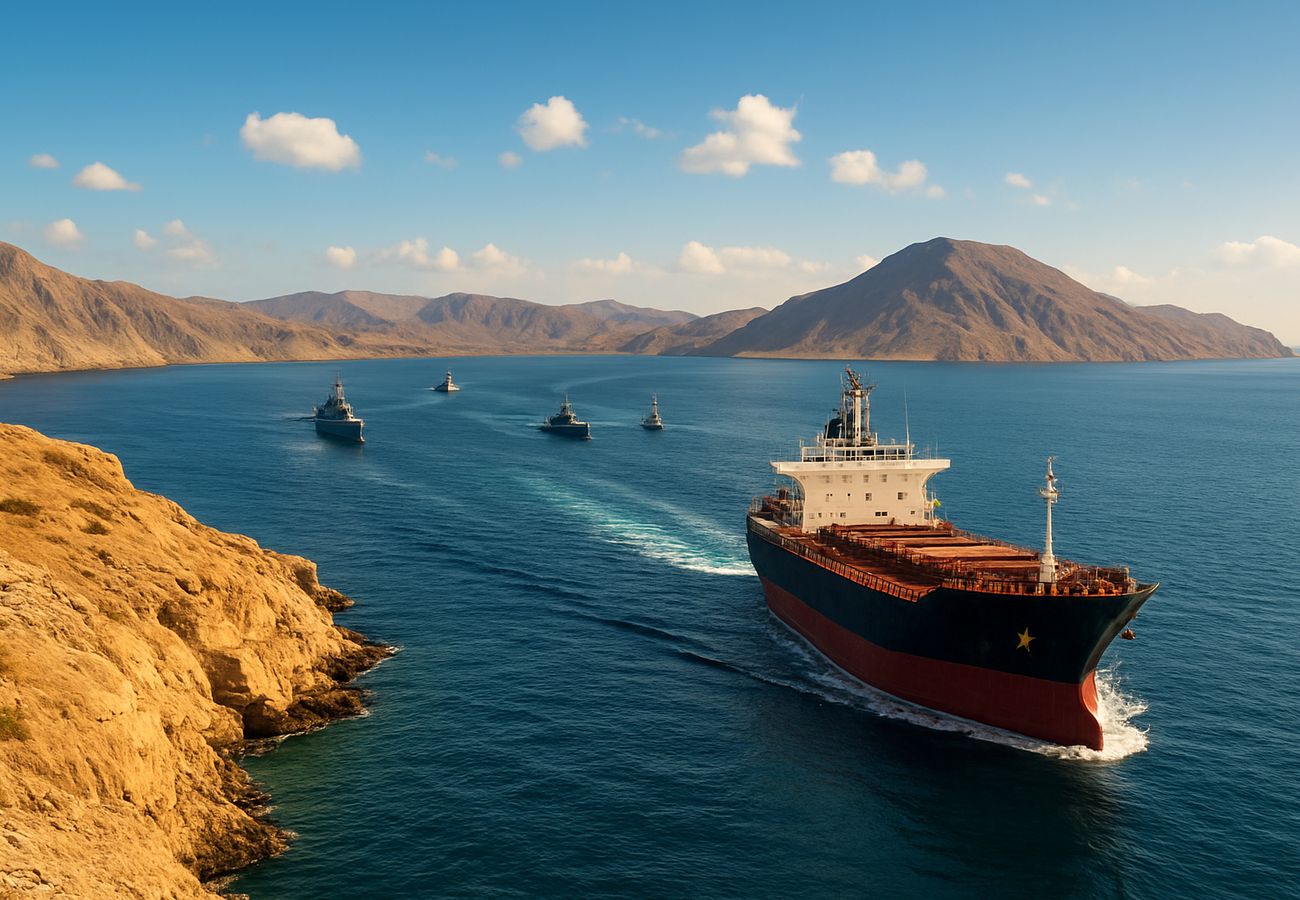
Image generated by AI
Quick Summary
- A powerful new regional coalition led by Oman, Saudi Arabia, Qatar, the UAE, Bahrain, Iraq, and Kuwait has intensified diplomatic and economic pressure on Iran to end its blockade of the Strait of Hormuz.
- The escalation follows the total collapse of U.S.-Iran peace talks in early May 2026, leading Washington to announce “Project Freedom” — a maritime security initiative designed to force the reopening of the strait for global commerce.
- The Strait of Hormuz handles approximately one-quarter of the world's seaborne oil trade, and its continued closure has caused a near-collapse of export volumes for nations like Iraq and Kuwait, which lack major bypass pipeline infrastructure.
- While Oman has historically acted as a diplomatic bridge to Tehran, the severe economic strain on its ports and maritime services has forced Muscat to join the regional bloc demanding immediate freedom of navigation.
The Middle East energy landscape has reached a historic breaking point. Following the failure of high-level diplomatic negotiations, the Strait of Hormuz remains under a stringent Iranian blockade, threatening to derail the global economy and destabilize the regional balance of power.
In response, a unified front of Gulf nations has emerged, aligning with a new U.S.-led maritime strategy to restore the flow of oil and liquefied natural gas (LNG) through the world's most vital maritime chokepoint.
Regional Energy Stakes: The Impact of the Blockade
The closure of Hormuz has created varying levels of crisis for the regional powers. The following table highlights the critical vulnerabilities driving the new Gulf alliance.
| Nation | Key Vulnerability | Strategic Response |
|---|---|---|
| Iraq | 90% of government revenue at risk | Vocal demands for blockade termination |
| Kuwait | No major pipeline bypass route | Alignment with regional pressure bloc |
| Qatar | Global LNG contract obligations | Support for Project Freedom via economic necessity |
| Oman | Reduced port throughput & security risk | Assertive diplomatic stance against Iran |
| UAE & Saudi | Logistical rerouting & pricing pressure | Deployment of bypass pipelines and support for US initiative |
Project Freedom: Breaking the Deadlock
With the collapse of the peace process, the United States has officially launched Project Freedom. This initiative is a multi-national maritime effort aimed at securing freedom of navigation through the strait.
- Security Escorts: The project involves the deployment of naval assets to guide and protect commercial merchant vessels through contested waters.
- Coalition Presence: While led by the U.S. Fifth Fleet (headquartered in Bahrain), the initiative seeks to integrate regional naval power to provide a permanent security corridor.
- Iran's Stance: Tehran continues to insist on exclusive control over the strait's security, rejecting external involvement and threatening "militia-style" strikes against foreign warships.
Country Spotlight: The Regional Shift
Oman: The Strategic Balancer Historically a conciliatory bridge between Tehran and the GCC, Oman has been "cornered" into a more assertive posture. The blockade has significantly reduced traffic at Omani ports and increased maritime security risks in adjacent Omani waters, forcing Muscat to prioritize economic stability over its traditional neutrality.
Iraq: The Revenue Crisis Baghdad is currently grappling with a near-total collapse of its oil export volumes. Leaders in Iraq have become some of the most vocal stakeholders demanding an end to the obstruction, arguing that the blockade directly undermines the nation's social and economic recovery.
The UAE and Qatar: Hubs Under Siege The UAE’s major ports, including Fujairah and Jebel Ali, have seen a sharp decline in ship-to-ship transfers and bunkering services. Meanwhile, Qatar is facing increased shipping costs and logistical hurdles as it attempts to meet its global LNG supply commitments to Asia and Europe.
FAQ: The Hormuz Blockade and Project Freedom
What is the Strait of Hormuz? It is a narrow waterway connecting the Persian Gulf with the Gulf of Oman. It is the only maritime route for one-quarter of the world's seaborne oil shipments.
Why did peace talks fail? Negotiations collapsed in May 2026 when Iran rejected a U.S.-proposed framework for shared maritime security and insisted on unilateral control over the strait’s navigation rights.
Is it safe for commercial ships to transit now? Under Project Freedom, commercial ships are expected to receive naval escorts. However, tensions remain high, and travelers are advised that regional shipping costs and fuel prices have surged as a result of the ongoing standoff.
Related Travel Guides
Disclaimer
This article is for informational and educational purposes only. It does not constitute legal, financial, or professional advice. While we strive to provide accurate and up-to-date information, travel policies, regulations, and conditions change rapidly. Always verify information with official sources before making travel decisions. Nomad Lawyer makes no representations about the accuracy, reliability, completeness, or suitability of the information provided. Readers should consult qualified professionals for advice specific to their circumstances. The views expressed in this article are those of the author and do not necessarily reflect the views of Nomad Lawyer.
Raushan Kumar
Founder & Lead Developer
Full-stack developer with 11+ years of experience and a passionate traveller. Raushan built Nomad Lawyer from the ground up with a vision to create the best travel and law experience on the web.
Learn more about our team →