
Middle East Tourism Faces Challenges Amid Strait of Hormuz Tensions
Rising Strait of Hormuz tensions challenge aviation routes, cruise itineraries, and passenger confidence across Iran and the wider Gulf region.

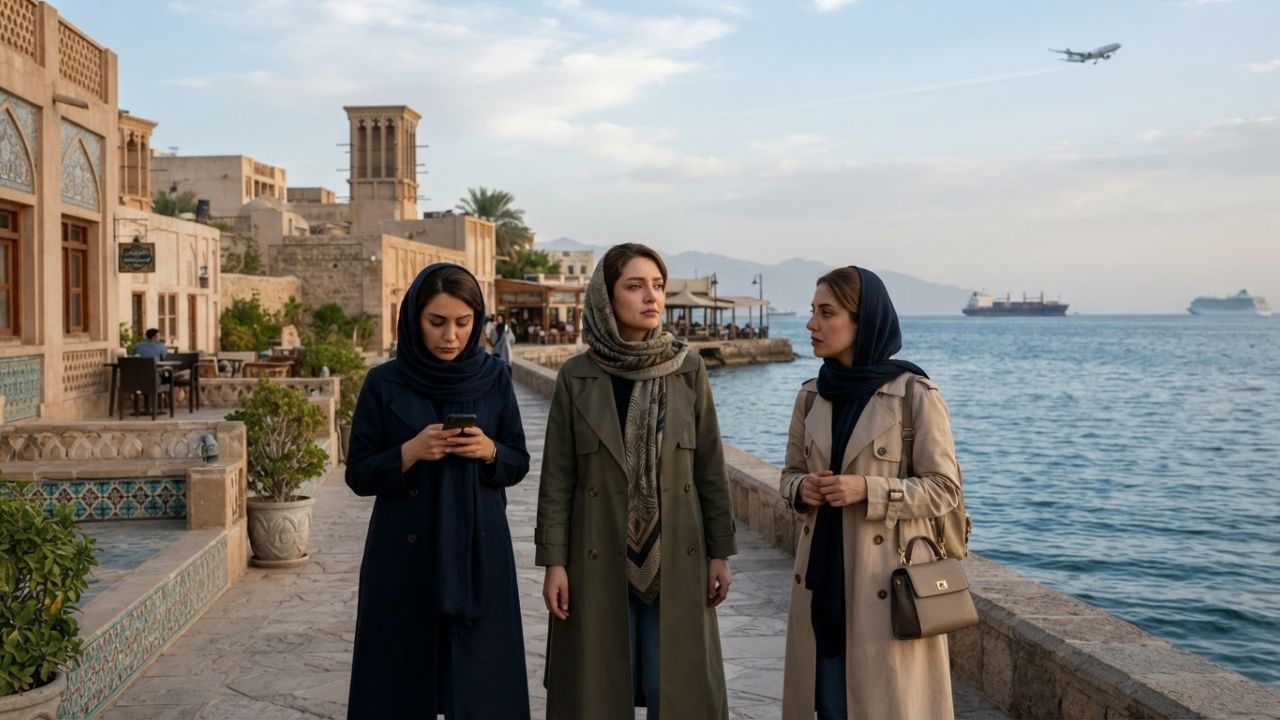
Image generated by AI
Rising geopolitical tensions around the Strait of Hormuz are disrupting regional transport corridors, threatening visitor confidence and prompting route reviews for international airlines and cruise operators.
Regional Repercussions: Aviation and Shipping Routes Under Strain
Diplomatic friction between the United States and Iran is impacting the transport networks of the Persian Gulf. As communication channels between Washington and Tehran experience strain, international airlines are rerouting flights around sensitive airspace, resulting in longer flight times, increased fuel burn, and higher insurance premiums.
These aviation adjustments impact the connectivity of major Gulf transit hubs. Any prolonged disruption to regional air networks can affect both direct travelers and transit passengers connecting between Europe, Asia, and Africa.
Concurrently, maritime shipping concerns are affecting regional cruise tourism. Cruise operators, which rely on predictable itineraries connecting destinations like Dubai, Oman, and Qatar, are monitoring security conditions in the Strait of Hormuz. A prolonged crisis could force operators to alter schedules, impacting local merchants, transport providers, and tour agencies at key ports of call.
Declining Corporate Bookings and Economic Imbalances
Geopolitical uncertainty typically affects corporate travel before leisure tourism. Businesses, bound by strict risk-management policies, are postponing regional conferences, exhibitions, and corporate meetings. This decline in business arrivals puts pressure on major convention hotels and regional airlines that rely on corporate passenger traffic.
While leisure tourism is more resilient, rising energy costs driven by the maritime standoff could increase travel expenses globally. If aviation fuel costs continue to rise, airlines may pass these expenses onto consumers, resulting in higher ticket prices and reduced route availability, which could cool travel demand globally.
Local Economy Protection and Sustainable Travel Practices
Despite regional tensions, visitors can still practice responsible tourism by supporting local communities. In Iran, booking accommodations in independent traditional houses (locally managed boutique guesthouses) rather than state-run chains ensures that travel expenditures directly benefit resident families.
Similarly, supporting local craft markets—such as buying authentic Persian carpets or hand-woven textiles directly from weavers in Esfahan or Shiraz—helps preserve regional heritage during periods of lower visitation. In the wider Gulf, travelers can choose eco-certified dhow sailing charters and support conservation efforts on protected islands like Qeshm.
Local Insider Travel Strategies
- Optimal Travel Windows: Plan visits during the late autumn (October to November) or early spring (March to April) when temperatures are comfortable, avoiding the extreme heat of the Gulf summer.
- Cultural Etiquette: In Iran, respect the public dress code (women must wear a headscarf and loose clothing; men should avoid shorts). Understand the concept of Ta'arof (ritual politeness where payments are initially refused out of courtesy; you should politely insist on paying).
- Culinary Specialties: Try fesenjan (chicken stew with pomegranate and walnuts) or chelo kabab in Iran. In the wider Gulf, sample slow-cooked shuwa (spiced lamb) or machboos (spiced rice).
- Hidden Gems: Visit Nasir al-Mulk (the Pink Mosque) in Shiraz during early morning to see light filter through stained glass, or explore the colorful salt formations on Hormuz Island, staying clear of military shipping channels.
Long-Term Outlook for Persian Gulf Tourism
The long-term recovery of tourism in the region depends on restoring diplomatic stability and maritime security. While Iran possesses significant cultural assets, persistent uncertainty will limit international arrivals and foreign investment. Managing visitor perceptions and maintaining clear communication will remain major priorities for tourism departments across the Middle East.
Related Travel Guides
Disclaimer
This article is for informational and educational purposes only. It does not constitute legal, financial, or professional advice. While we strive to provide accurate and up-to-date information, travel policies, regulations, and conditions change rapidly. Always verify information with official sources before making travel decisions. Nomad Lawyer makes no representations about the accuracy, reliability, completeness, or suitability of the information provided. Readers should consult qualified professionals for advice specific to their circumstances. The views expressed in this article are those of the author and do not necessarily reflect the views of Nomad Lawyer.
Raushan Kumar
Founder & Lead Developer
Full-stack developer with 11+ years of experience and a passionate traveller. Raushan built Nomad Lawyer from the ground up with a vision to create the best travel and law experience on the web.
Learn more about our team →