
Greece Outlines Sustainable Travel Framework for Uninhabited Islands
Greece leverages its 6,000 islands and islets to promote slow, sustainable travel, prioritizing conservation under NECCA and Ministry of Culture rules.

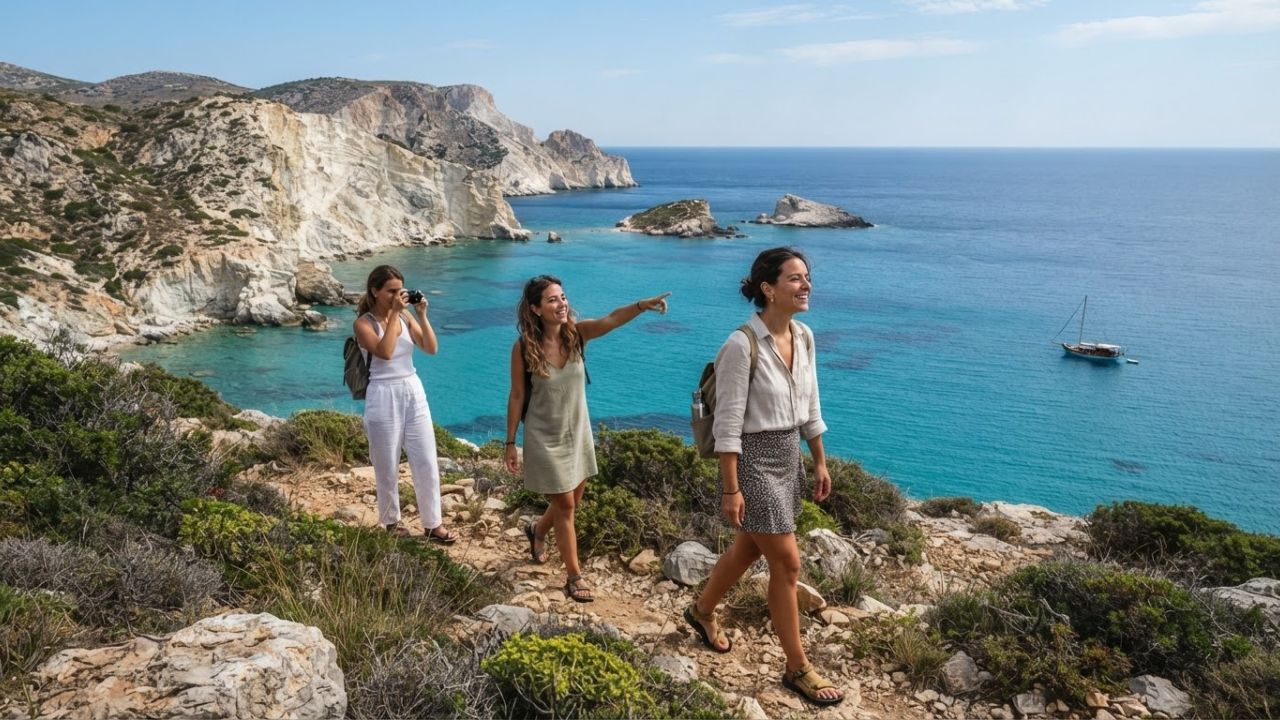
Image generated by AI
Greece has approximately 6,000 islands and islets, but the Hellenic Statistical Authority (ELSTAT) reveals that only a small fraction are permanently inhabited, positioning the remaining pristine areas as major corridors for slow and low-impact tourism.
Slower Exploration: Yachting and Marine Wildlife Observation
Greece's extensive island geography represents a distinct travel environment that remains largely undeveloped. While international travelers concentrate on popular destinations like Santorini, Mykonos, and Crete, the vast majority of the country's 6,000 islands and islets are uninhabited. These small territories have avoided large-scale construction due to a lack of fresh water, electricity, and transport links.
The Greek National Tourism Organisation (GNTO) is promoting sailing, nature-based travel, and marine exploration as alternatives to crowded beach resorts. Rather than building permanent hotels and roads, the focus is shifting toward day-use visitation where travelers reach islets via sailing yachts or local boat charters, returning to larger inhabited hubs by evening.
Strict Conservation: NECCA Regulations and Marine Sanctuaries
A substantial portion of these uninhabited areas is protected under regional and national conservation laws. The Natural Environment and Climate Change Agency (NECCA) manages these sensitive zones, including the National Marine Park of Alonissos Northern Sporades. These marine parks serve as essential sanctuaries for protected wildlife species, such as the Mediterranean monk seal, and preserve delicate coastal ecosystems from structural damage.
Under these rules, visitor activity is strictly managed. Sailing, anchoring, and swimming are limited to designated zones, and waste management protocols require travelers to carry all refuse back to their starting ports. By restricting access to sensitive nesting grounds, Greece aims to protect biodiversity while allowing controlled, educational travel to continue.
The Cyclades Example: Polyaigos and Low-Impact Yachting
Located in the Cyclades near Milos and Kimolos, Polyaigos is one of the most recognized uninhabited islands attracting tourist interest. With no permanent resident population, the island's clear waters and dramatic rock formations make it a key stop for sailing vessels and day cruises.
The Greek Ministry of Culture has documented various archaeological and historical sites across these Cycladic islands, demonstrating that even remote islets contain cultural heritage that must be protected. Polyaigos represents a possible model for future tourism where the main attraction remains the pristine natural state of the terrain rather than modern entertainment infrastructure.
Sustainable Practices and Community Integration
Although uninhabited islands do not host permanent businesses, their managed tourism directly supports the local economies of neighboring inhabited islands. In islands like Kimolos or Milos, local skippers, restaurants, grocery stores, and equipment hire shops benefit from the demand generated by travelers booking excursions.
To practice responsible travel, visitors should choose eco-certified charter operators that follow NECCA guidelines and avoid anchoring in protected Posidonia oceanica seagrass meadows. Supporting local, family-owned businesses at departure ports helps ensure that tourism revenues remain within regional communities, creating a balanced and sustainable economic network.
Local Insider Travel Strategies
- Optimal Travel Windows: The best time to visit Greece's uninhabited islets is during the shoulder months of late May to early June, or September to October. During these periods, the Aegean sea remains warm, and travelers avoid both the intense heat of mid-summer and the strong seasonal Meltemi winds.
- Leave No Trace: There are no trash bins, bathrooms, or services on these islands. Carry a reusable waste bag to pack out all garbage. Avoid taking shells, pebbles, or plants from protected areas.
- Regional Culinary Picnics: Since dining facilities do not exist, purchase local specialties at your starting port. Try Cretan dakos (rusks with fresh tomatoes, olive oil, and feta), local olives, and pasteli (sesame and honey bars) for an authentic regional lunch.
- Under-the-Radar Spots: Explore the islet of Rhenia near Delos for secluded swimming, or take a guided boat trip to the outer islets of the Alonissos marine park to learn about local wildlife conservation.
Long-Term Outlook for Greek Island Tourism
The rise of slow and sustainable travel represents a permanent change in how visitors experience the Mediterranean. Rather than prioritizing raw passenger counts, tourism planners are focusing on preserving undeveloped spaces as unique cultural and natural assets. By keeping infrastructure minimal and managing entry, Greece is establishing a low-impact tourism model that protects regional biodiversity while supporting local maritime economies.
Related Travel Guides
Disclaimer
This article is for informational and educational purposes only. It does not constitute legal, financial, or professional advice. While we strive to provide accurate and up-to-date information, travel policies, regulations, and conditions change rapidly. Always verify information with official sources before making travel decisions. Nomad Lawyer makes no representations about the accuracy, reliability, completeness, or suitability of the information provided. Readers should consult qualified professionals for advice specific to their circumstances. The views expressed in this article are those of the author and do not necessarily reflect the views of Nomad Lawyer.
Raushan Kumar
Founder & Lead Developer
Full-stack developer with 11+ years of experience and a passionate traveller. Raushan built Nomad Lawyer from the ground up with a vision to create the best travel and law experience on the web.
Learn more about our team →