
Travel Warnings: Alleged Surveillance Network Impacts Uyghur Australians
A Human Rights Watch study of 11 Uyghur Australians highlights travel surveillance risks and transnational pressure when visiting East Turkistan.

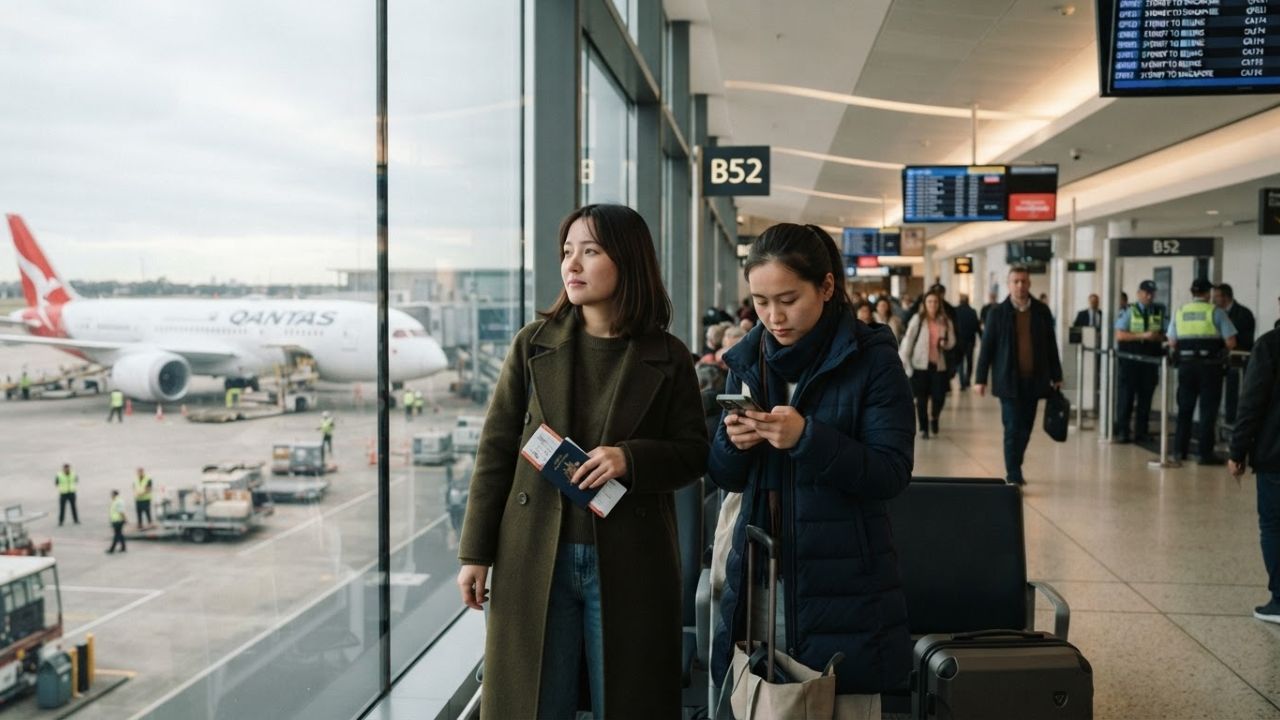
Image generated by AI
A Human Rights Watch investigation involving 11 Uyghur Australians in Sydney, Melbourne, and Adelaide reveals how personal travel to East Turkistan is being monitored, raising significant privacy and security warnings for diaspora families.
Surveillance Concerns: Travel to East Turkistan Monitored
Travel between Australia and East Turkistan (Xinjiang) is exposing members of the Uyghur diaspora to systemic pressure. According to reports compiled by Human Rights Watch, Australian citizens and permanent residents visiting family in the region are subjected to intensive interrogation by Chinese authorities.
The interviews, which documented the experiences of 11 individuals across Sydney, Melbourne, and Adelaide, detail how officials seek information on overseas community leaders, activists, and cultural centers. This cross-border monitoring has raised concerns among human rights groups regarding the safety of international travel for minority communities.
Targeting of Local Language Schools and Cultural Gatherings
The inquiries have extended to community organizations and educational initiatives inside Australia. Authorities have reportedly questioned travelers about Uyghur weekend schools operating in Sydney, Melbourne, Adelaide, and Brisbane, seeking details on teachers, students, and parent networks.
For diaspora communities, these weekend schools are vital centers for cultural heritage and language preservation. The fear of external monitoring has created a chilling effect, leading some families to reduce their public participation in cultural events and social gatherings to protect relatives still residing in East Turkistan.
Transnational Repression and Family Vulnerability
The core of this issue lies in the continued separation of families, which leaves overseas communities vulnerable to official influence. Refusing requests from authorities during visits to East Turkistan is viewed as highly risky, as it could result in negative consequences for family members living in the region.
In some cases, travelers returned to Australia with instructions to photograph events or monitor specific community members. The Australian government has declared that attempts by foreign states to interfere with fundamental domestic freedoms are unacceptable, though rights advocates are calling for stronger protective measures.
Travel Safety and Security Advice for Diaspora Families
For travelers within the Uyghur Australian community, the intersection of international travel and human rights requires careful planning and risk assessment. Travel security organizations recommend evaluating potential risks before booking journeys to the region, maintaining strict privacy controls on digital devices, and ensuring that communication channels with family members are secure.
In addition, travelers should remain informed of the Australian Department of Foreign Affairs and Trade (DFAT) travel advisories and register their travel plans before departure. If contacted or pressured by foreign officials while in Australia, individuals should report the incidents to local law enforcement or national security hotlines.
Long-Term Outlook for Transnational Travel Protections
The allegations surrounding travel monitoring indicate a growing need for international regulatory frameworks to protect diaspora communities from foreign interference. As governments investigate transnational repression, travel policies and consular services will need to adapt. Ensuring that family visits do not become pathways for monitoring remains a major challenge for destination managers and human rights organizations worldwide.
Related Travel Guides
Disclaimer
This article is for informational and educational purposes only. It does not constitute legal, financial, or professional advice. While we strive to provide accurate and up-to-date information, travel policies, regulations, and conditions change rapidly. Always verify information with official sources before making travel decisions. Nomad Lawyer makes no representations about the accuracy, reliability, completeness, or suitability of the information provided. Readers should consult qualified professionals for advice specific to their circumstances. The views expressed in this article are those of the author and do not necessarily reflect the views of Nomad Lawyer.
Raushan Kumar
Founder & Lead Developer
Full-stack developer with 11+ years of experience and a passionate traveller. Raushan built Nomad Lawyer from the ground up with a vision to create the best travel and law experience on the web.
Learn more about our team →