
Strait of Hormuz Blockade Triggers Global Oil Shock as Saudi Arabia, UAE and Qatar Energy Crisis Destabilizes EU Aviation; European Commission Clarifies Flight Compensation Rights Amid US-Iran Conflict in May 2026
A strategic blockade of the Strait of Hormuz has ignited a global energy crisis, sending oil prices to record highs. As Saudi Arabia, the UAE, and Qatar face export disruptions, the European Commission issues critical guidance on passenger compensation rights during the 2026 oil shock.

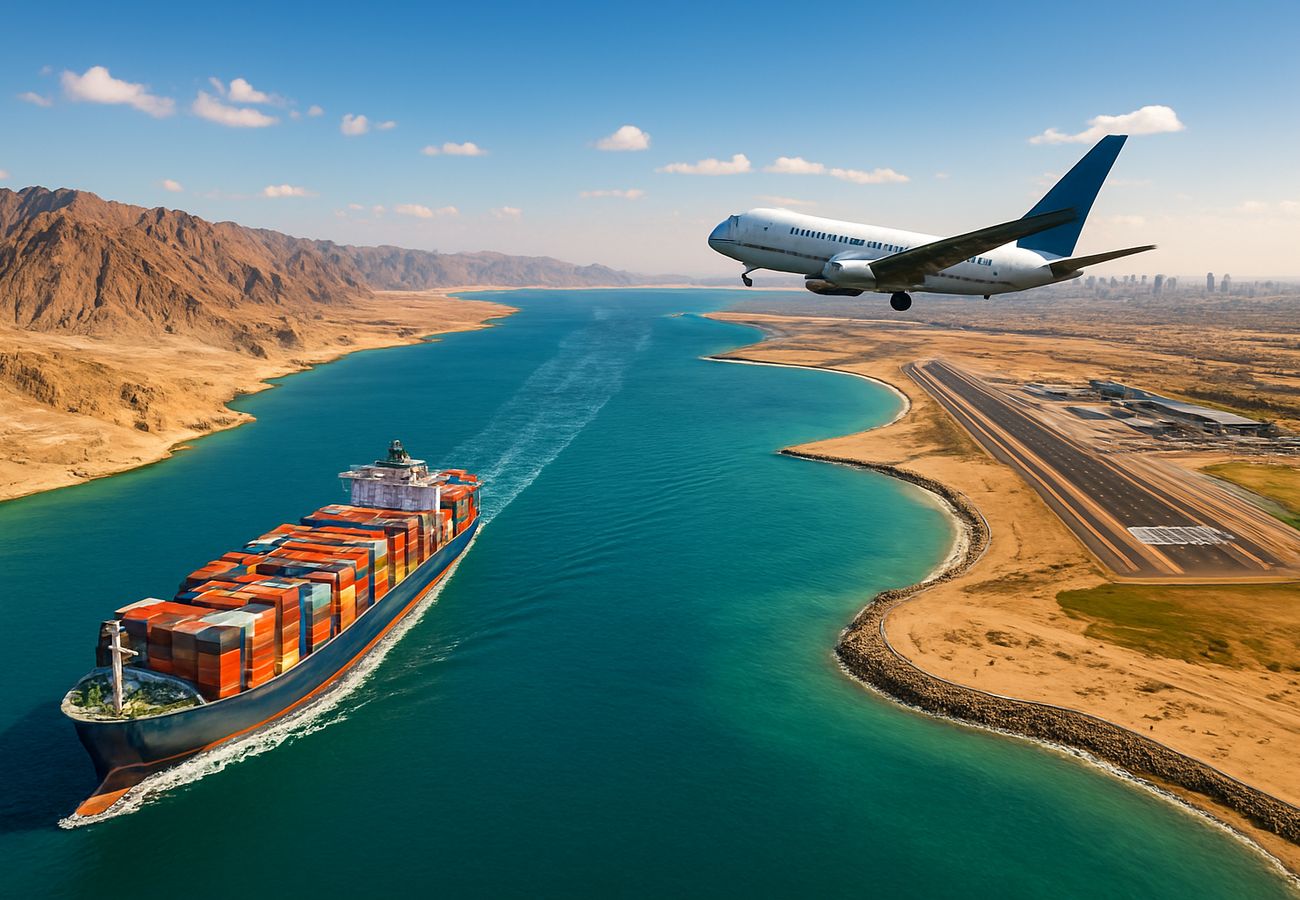
Image generated by AI
A global energy crisis of historic magnitude has erupted following the strategic blockade of the Strait of Hormuz, triggering an immediate oil price shock that is testing the legal and operational framework of the European aviation sector. As the United States, Iran, and Gulf Cooperation Council (GCC) nations including Saudi Arabia, the UAE, and Qatar move to the brink of military conflict, the resulting travel chaos has left millions of European passengers wondering if their rights remain intact. Today, May 10, 2026, the European Commission has officially clarified the air, releasing a landmark guidance document that reaffirms that passenger rights are non-negotiable, even as skyrocketing jet fuel prices and the 2026 oil shock destabilize global flight schedules.
The blockade of the world’s most critical energy chokepoint has sent crude prices soaring toward $200/bbl, prompting some airlines to cancel routes citing "market volatility." However, the EU’s latest directive makes it clear: high fuel prices are a foreseeable business risk, and airlines cannot use the US-Iran conflict as a blanket excuse to deny financial compensation to travelers stranded at major hubs like Frankfurt, London Heathrow, and Paris CDG.
Expanded Overview: The Fuel Shock and the Legal "Line in the Sand"
The blockade of the Strait of Hormuz — a narrow chokepoint through which 21 million barrels of oil per day (approximately 21% of global petroleum consumption) pass — represents a total collapse of international energy security. For major petroleum exporters like Kuwait, Iraq, and Bahrain, and the world’s leading LNG supplier, Qatar, the inability to access the sea has rendered their primary economic assets unreachable.
As the International Energy Agency (IEA) activates emergency protocols, the resulting jet fuel shortage has created a high-stakes debate over "extraordinary circumstances." Under EU Regulation (EC) 261/2004, airlines are exempt from paying compensation only if they can prove a cancellation was beyond their control. The European Commission’s May 8 guidance document has now drawn a definitive "line in the sand" regarding the global energy crisis, distinguishing between physical fuel absence and the mere cost of doing business.
Section-Wise Breakdown: EU Passenger Rights 2026
Extraordinary Circumstances: Fuel Prices vs. Local Shortages
The Commission has ruled that high fuel prices do not constitute an extraordinary circumstance. Airlines are expected to manage their financial hedging and business strategies regardless of the 2026 oil shock. If a flight is cancelled because the route is no longer "profitable" due to $200/bbl oil, the airline MUST pay compensation. However, a local fuel shortage—where an airport physically runs out of Jet A1 due to the Hormuz blockade—may be considered an extraordinary circumstance, exempting the airline from financial penalties but not from their "duty of care."
Prohibiting Retroactive Surcharges
The EU has issued a strict ban on retroactive fuel surcharges. Under the Air Services Regulation, the price a traveler sees at the time of booking is final. Airlines cannot legally demand extra payment after a ticket is confirmed just because the US-Iran military standoff has spiked the market. This ensures that the "price at the pump" is a corporate problem, not a passenger one.
The "Duty of Care" and Rerouting
Regardless of the cause of the disruption, the EU reaffirms the "Right to Care." Stranded passengers are entitled to food, refreshments, and overnight accommodation. Furthermore, airlines must offer a choice between a full refund within seven days or rerouting on the next available flight. The Commission is also easing the "tanking up" rule, allowing airlines to carry extra fuel from their home hubs to ensure they can make return journeys safely without relying on volatile regional supplies.
EU Flight Compensation & Entitlements: May 2026 Guidance
| Entitlement | Distance / Condition | Compensation Amount | Assistance Required |
|---|---|---|---|
| Short-Haul Flight | Up to 1,500 km | €250 | Food, drinks, 2 calls |
| Medium-Haul Flight | 1,500 km - 3,500 km | €400 | Food, drinks, hotel if needed |
| Long-Haul Flight | Over 3,500 km | €600 | Full accommodation & transport |
| Duty of Care | All cancellations | N/A | Mandatory, regardless of cause |
| Refund / Reroute | All cancellations | Full Ticket Price | Choice between cash or new flight |
Note: Compensation is mandatory unless the airline proves a "physical" local fuel shortage at the departure or arrival airport.
Passenger Impact: Navigating the Hub Chaos
For European travelers, the global airport disruptions have made the "Right to Care" a lifeline. With wait times at security reaching 5 hours and airline news filled with stories of stranded vacationers, knowing that the EU is protecting your wallet is a significant confidence booster. Passengers caught in the "ripple effect" of the Persian Gulf energy shock are encouraged to keep digital copies of their rights and the May 2026 Commission Guidance on their phones to cite at customer service desks.
Industry Analysis: Accountability in an Era of Volatility
Aviation analysts suggest that the Strait of Hormuz blockade is a "transparency test" for the industry. "The global oil shock has provided a convenient excuse for airlines to cut less profitable regional routes," says one senior energy strategist. "The EU Commission is effectively telling the industry that their balance sheets are not the passenger's responsibility. By holding airlines accountable for 'foreseeable business risk,' they are preventing the 2026 energy crisis from being used as a tool for predatory scheduling."
According to the IEA, the EU’s firm stance on passenger rights is forcing airlines to accelerate their transition to fuel-efficient fleets and Sustainable Aviation Fuel (SAF) to mitigate the long-term impact of the Hormuz conflict.
Conclusion: A Legal Sanctuary for European Travelers
The European Commission’s clarification of flight compensation rights is a definitive statement of passenger-first policy. As Saudi Arabia, the UAE, and the United States navigate the military developments in the Persian Gulf, European travelers remain legally protected from the financial fallout of the oil shock. While the skies of 2026 may be volatile, the laws governing your journey remain grounded in fairness and transparency.
Key Takeaways
- Strait of Hormuz blockade continues to drive a global energy crisis, but EU passenger rights remain non-negotiable.
- Compensation: Airlines must pay €250–€600 for cancellations caused by high fuel prices.
- Extraordinary Circumstances: Only physical local fuel shortages at an airport may exempt an airline from compensation.
- Retroactive Surcharges: Strictly prohibited once a booking is confirmed.
- Duty of Care: Mandatory food, water, and accommodation for all stranded passengers.
- US-Iran Conflict: Market volatility is a "foreseeable business risk" that airlines must manage internally.
- Tanking Up: The EU is easing fuel-weight rules to allow airlines to carry extra reserves to contested regions.
Related Travel Guides
Strait of Hormuz Blockade Triggers Global Oil Shock: 119 Flights Delayed at LAX Airport
European Aviation Chaos: 2,233 Flights Delayed as Global Energy Crisis Hits Heathrow and Frankfurt
The EU Passenger Rights Guide: Navigating Compensation During the 2026 Energy Shock
Disclaimer: Information on flight compensation and passenger rights is based on the European Commission Guidance released on May 8, 2026. Geopolitical events and their impact on global energy markets are subject to rapid change. Travelers are advised to monitor official government travel advisories and verify all flight details directly with their carrier.
Kunal K Choudhary
Co-Founder & Contributor
A passionate traveller and tech enthusiast. Kunal contributes to the vision and growth of Nomad Lawyer, bringing fresh perspectives and driving the community forward.
Learn more about our team →