
Strait of Hormuz Blockade Triggers Global Oil Shock as Saudi Arabia, UAE and Qatar Energy Crisis Destabilizes Asia Aviation; 24 Flights Cancelled and 555 Delayed at Dubai, Shanghai, Delhi and Changi Amid US-Iran Conflict in May 2026
A strategic blockade of the Strait of Hormuz has ignited a global energy crisis, sending oil prices to record highs. As Saudi Arabia, the UAE, and Qatar face export disruptions, 24 flights have been cancelled and 555 delayed across Asian hubs including Dubai, Shanghai, and Singapore during the 2026 oil shock.

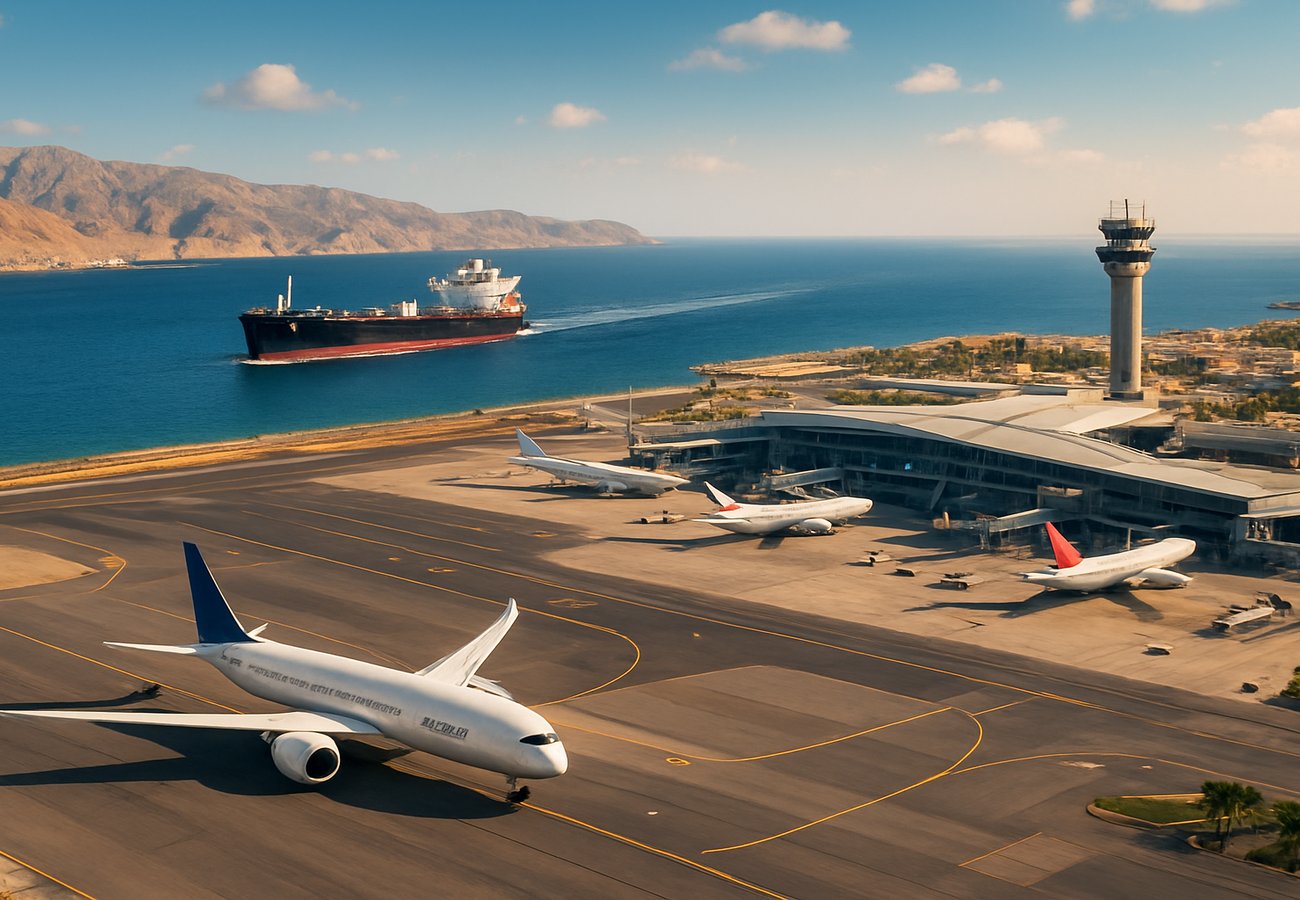
Image generated by AI
A global energy crisis of historic magnitude has erupted following the strategic blockade of the Strait of Hormuz, triggering an immediate oil price shock that has paralyzed the world’s most critical aviation hubs. As the United States, Iran, and Gulf Cooperation Council (GCC) nations including Saudi Arabia, the UAE, and Qatar move to the brink of military conflict, the Asian aviation sector has plunged into unprecedented chaos. Today, May 10, 2026, a total of 24 flights have been cancelled and 555 delayed across the continent’s busiest airports, including Dubai International (DXB), Shanghai Pudong (PVG), Indira Gandhi International (DEL), and Singapore Changi (SIN). The collapse in global maritime security and skyrocketing jet fuel prices have forced carriers like Emirates, FlyDubai, and Gulf Air to ground aircraft as operational costs reach unsustainable levels.
The scale of the disruption is staggering. Hundreds of thousands of passengers are currently stranded as the "ripple effect" of the Middle Eastern energy shock spreads into Southeast Asia and China, turning major international transit routes into logistical bottlenecks.
Expanded Overview: A Continent Under Systemic Strain
The blockade of the Strait of Hormuz — a narrow chokepoint through which 21 million barrels of oil per day (approximately 21% of global petroleum consumption) pass — represents a total collapse of international energy security. For major petroleum exporters like Kuwait, Iraq, and Bahrain, and the world’s leading LNG supplier, Qatar, the inability to access the sea has rendered their primary economic assets unreachable.
As the International Energy Agency (IEA) activates emergency protocols, the aviation industry is bearing the brunt of the volatility. The US-Iran conflict has not only driven jet fuel prices to record highs but has also disrupted the global supply chain for aircraft parts and technical staffing. In hubs like Shanghai and Singapore, secondary factors such as severe weather have compounded the misery, but the underlying driver of the 579 affected flights remains the systemic energy-security threat currently gripping the Persian Gulf.
Section-Wise Breakdown: Airport-Specific Disruption
Dubai International (DXB): The Epicenter of the Shock
As the primary hub for the Middle East, Dubai International is experiencing significant operational stress. With 1 cancellation and 30 major delays recorded today, Emirates and FlyDubai are struggling to maintain schedules as "war-premium" insurance costs and fuel shortages impact long-haul departures to Europe and South Asia.
Shanghai Pudong (PVG): The Chinese Logistical Bottleneck
Shanghai Pudong remains one of the hardest-hit facilities in East Asia, recording 11 cancellations and 42 delays. The blockade has disrupted the flow of refined fuel products into China, forcing PVG to prioritize "essential" cargo and diplomatic flights over commercial passenger services.
Indira Gandhi International (DEL): India’s Transit Crisis
In New Delhi, the fallout of the oil price shock has resulted in 1 cancellation and 21 delays, primarily affecting international routes to the Middle East and Southeast Asia. Indian carriers are facing a severe margin squeeze as the cost of jet fuel in the sub-continent reaches historic peaks.
Singapore Changi (SIN): The Southeast Asian Hub Under Pressure
Singapore Changi, despite its reputation for efficiency, has not been spared. With 1 cancellation and 27 delays, the world’s 4th busiest airport is struggling to manage the backlog caused by the rerouting of trans-Pacific flights avoiding the primary conflict zones.
Flight Disruption Metrics: Asian Hubs (May 10, 2026)
| Airport | Cancellations | Delays | Total Impact |
|---|---|---|---|
| Dubai International (DXB) | 1 | 30 | 31 |
| Shanghai Pudong (PVG) | 11 | 42 | 53 |
| Indira Gandhi International (DEL) | 1 | 21 | 22 |
| Seoul Incheon (ICN) | 0 | 42 | 42 |
| Beijing Capital (PEK) | 9 | 21 | 30 |
| Singapore Changi (SIN) | 1 | 27 | 28 |
| Hong Kong International (HKG) | 0 | 39 | 39 |
| Kuala Lumpur (KUL) | 1 | 55 | 56 |
| Suvarnabhumi (BKK) | 0 | 0 | 0 |
| Total Disruption | 24 | 555 | 579 |
Note: Data sourced from real-time FlightAware monitoring and official airport disclosures. Suvarnabhumi (BKK) currently remains the only major Asian hub showing 100% operational consistency.
Passenger Impact: Stranded in a High-Cost World
For the hundreds of thousands of passengers caught in this "travel nightmare," the immediate reality is one of missed connections and mounting costs. Priority security lanes and luxury lounges have become temporary refuges for those who can afford them, but the vast majority of travelers are facing long waits in crowded terminals. The US-Iran conflict means that rebooking is becoming increasingly difficult as airlines consolidate flights to save on record-high fuel costs.
The ripple effect of the Strait of Hormuz blockade means that compensation claims are being denied by some carriers under "extraordinary circumstances" clauses, leaving passengers to foot the bill for emergency accommodations and food.
Industry Analysis: The Fragility of the "Just-in-Time" Hub
Aviation analysts suggest that the current chaos is proof of the industry's extreme vulnerability to energy shocks. "The Strait of Hormuz blockade has exposed the fragility of the Asian hub model," says one senior global affairs strategist. "Airlines like Emirates and Singapore Airlines depend on a steady, low-cost flow of Gulf oil. When that flow is severed by a military standoff, the entire system begins to oscillate. 555 delays in a single day is a systemic failure of global trade security."
According to the IEA, the refining and transportation systems for jet fuel may take months to stabilize even if regional tensions ease, meaning the current level of disruption could become a "new normal" for 2026.
Conclusion: A Continent Waiting for Stability
the mass flight cancellations and delays across Asia are a devastating reminder that the freedom of movement is tied to the stability of the world’s primary energy corridors. As Saudi Arabia, the UAE, and the United States monitor the military developments in the Persian Gulf, the Asian aviation sector remains in a state of high-alert. For travelers, the message is clear: flexibility and patience are the only tools available in a world where the price of a ticket is now dictated by the security of a 21-mile-wide strait.
Key Takeaways
- Strait of Hormuz blockade continues to drive a global energy crisis, grounding hundreds of flights across Asia.
- 24 Cancellations & 555 Delays: A total of 579 flights affected in a single day across major Asian hubs.
- Shanghai & Kuala Lumpur: Recorded the highest number of cancellations and delays respectively.
- US-Iran Conflict: Geopolitical instability is the primary driver of the current aviation fuel shock.
- Airlines Affected: Emirates, FlyDubai, and Gulf Air are facing extreme operational stress.
- Suvarnabhumi (BKK): Remains the only unaffected major hub in the region.
- Travelers are advised to check flight status hourly and maintain flexible itineraries as the energy crisis evolves.
Related Travel Guides
Strait of Hormuz Blockade Triggers Global Oil Shock: 119 Flights Delayed at LAX Airport
European Aviation Chaos: 2,233 Flights Delayed as Global Energy Crisis Hits Heathrow and Frankfurt
Asia Transit Survival Guide: Navigating Hub Disruptions During the 2026 Oil Shock
Disclaimer: Flight disruption data is based on real-time reports as of May 10, 2026. Geopolitical events and their impact on global energy markets are subject to rapid change. Travelers are advised to verify all flight details directly with their airlines and monitor official government travel advisories.
Kunal K Choudhary
Co-Founder & Contributor
A passionate traveller and tech enthusiast. Kunal contributes to the vision and growth of Nomad Lawyer, bringing fresh perspectives and driving the community forward.
Learn more about our team →