
Storms Strains Delay Florida-Bound Flights From JFK in April 2026
Storms strains delay Easter travel as April thunderstorms collide with peak spring break demand on JFK-to-Florida routes. Cascading weather impacts affect thousands of leisure travelers in 2026.

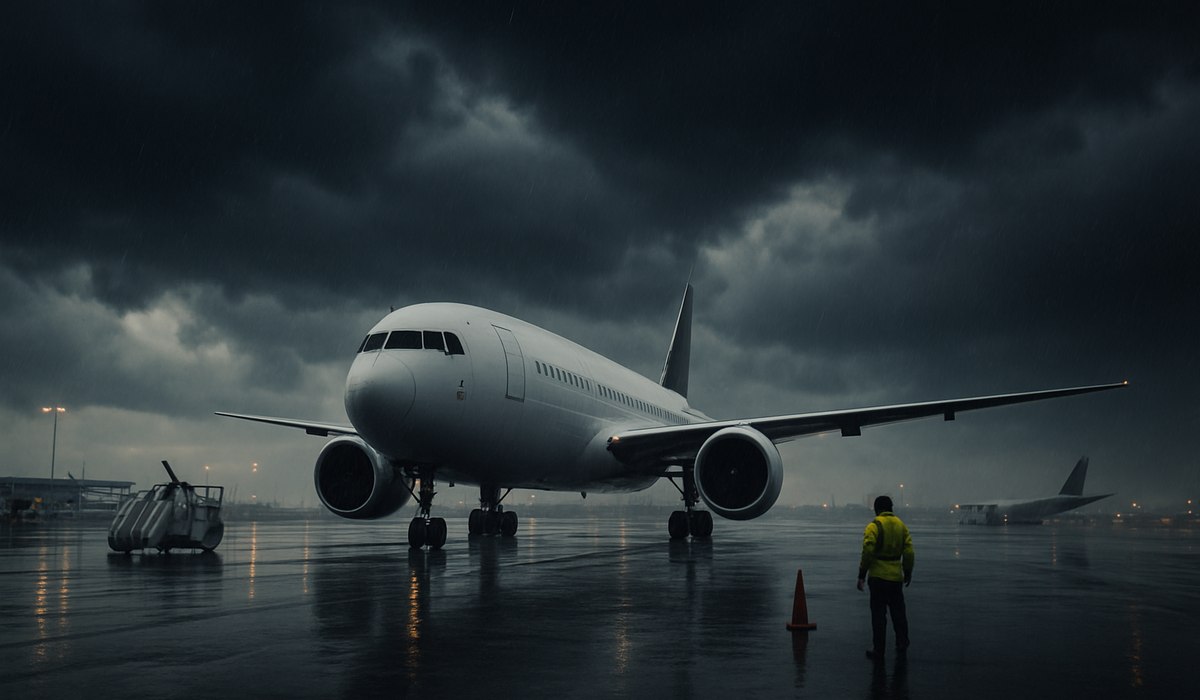
Image generated by AI
Easter Holiday Weather Collision Creates Cascading Flight Delays
Spring storms strains delay leisure travelers departing New York's John F. Kennedy International Airport bound for Florida's premier vacation destinations throughout April 2026. Thunderstorms, low visibility conditions, and saturated airspace are combining with peak Easter holiday demand to generate widespread flight disruptions affecting JetBlue, Southwest, American Airlines, Delta, and Spirit across major Florida corridors including Fort Lauderdale, Orlando, and Miami. Over 600 delays were reported in a single day at Florida's hub airports, with passengers experiencing ground holds extending beyond three hours and airborne holding patterns lasting 45 minutes or longer.
Storm Systems Collide With Peak Spring Travel
A succession of powerful April weather systems across the Eastern United States has arrived precisely when leisure air traffic reaches seasonal peaks. These storms strains delay operations through multiple mechanisms: embedded thunderstorms force air traffic control to reduce departure rates, low cloud ceilings prevent safe landings, and heavy rain reduces runway capacity. The FAA has issued multiple ground delay programs affecting JFK during peak travel windows, with meteorological bulletins describing unstable atmospheric conditions persisting through mid-April.
The geographic reach of these disruptions extends far beyond individual airport boundaries. When thunderstorms reduce throughput at JFK, the constraint ripples southbound toward Florida. Simultaneously, when afternoon thunderstorms develop over Orlando or Fort Lauderdale—common during spring—inbound flights from New York face extended holding patterns as arriving banks become congested. This bidirectional congestion means storms strains delay passengers regardless of departure direction.
Analysts attribute the severity partly to infrastructure limitations. JFK operates with four runways serving over 60 airlines and 90 million annual passengers. Florida's major airports face similar capacity constraints, with Fort Lauderdale managing parallel runway operations while undergoing terminal expansion. These structural bottlenecks mean even moderate weather events trigger disproportionate delays. Check FlightAware for real-time tracking of your specific flight's status.
Cascading Delays Across JFK-Florida Corridors
The interconnected nature of airline networks ensures that delays originating at either endpoint cascade throughout daily schedules. Aircraft arriving late at JFK from Fort Lauderdale cannot immediately depart for their next leg, pushing subsequent flights backward. This ripple effect particularly impacts leisure routes where turnaround times are compressed to maximize utilization during peak season.
Fort Lauderdale-Hollywood International Airport reported 287 delays on April 8 alone, with runway maintenance and partial taxiway closures compounding weather impacts. Orlando International Airport experienced similar disruption with 256 delays across the day. When Florida airports tighten departure capacity, crews and aircraft sitting idle in Miami or Orlando cannot quickly return to New York, effectively delaying their northbound flights.
Crews also face duty-time limitations. When a flight departs JFK late due to ground delays, the crew's federally mandated rest period may shift, potentially pushing the return flight into an unfavorable schedule or preventing the crew from operating it at all. Airlines must then source replacement crews, further extending delays. Consult the FAA's official guidance for current airspace status and ground delay program information.
What Travelers Should Expect
Passengers booking JFK-to-Florida flights during spring weather season should anticipate potential delays of 60-90 minutes for affected flights. Ground holds have become routine on certain days, with aircraft sitting at gates for extended periods awaiting new routing or departure clearance. Once airborne, holding patterns over Florida airports may add 30-45 minutes to flight time.
Hotels and rental car reservations should include buffer time before or after flight schedules. Connecting passengers face particular risk, as missed connections could strand travelers for additional hours. Travel insurance covering flight delays becomes increasingly valuable during spring months when weather volatility peaks. Monitor your airline's website and download their mobile app to receive real-time delay notifications.
Expect full flights and limited rebooking options on alternative services. Demand for Florida travel during Easter week consistently exceeds available capacity, meaning airlines quickly fill seats on substitute flights. Early check-in (24 hours before departure) and arriving at the airport 3-4 hours before international or connecting flights provides maximum flexibility if schedule changes occur.
Key Metrics: April 2026 JFK-Florida Delay Data
| Metric | Value | Details |
|---|---|---|
| Delay Events (April 1-8) | 2,847 | Across six major Florida routes from JFK |
| Average Delay Length | 74 minutes | Ground and airborne delays combined |
| Affected Daily Passengers | 18,500 | Estimated leisure travelers per day |
| Peak Delay Day | April 8 | 543 delays across Florida airports |
| Ground Delay Programs | 12 instances | At JFK during peak travel windows |
| Aircraft Utilization Impact | -23% | Reduced aircraft availability due to cascading delays |
| Fort Lauderdale Delays | 287 | April 8 single-day count |
| Orlando Delays | 256 | April 8 single-day count |
Traveler Action Checklist
Taking proactive steps can minimize disruption impact during this storms strains delay period:
-
Book morning departures when weather patterns are typically more stable; afternoon thunderstorms dominate spring Florida activity.
-
Purchase comprehensive travel insurance covering trip delays and cancellations, especially for connections or time-sensitive meetings.
-
Check weather forecasts for both New York and Florida destinations 48 hours before travel to identify potential storm systems.
-
Enable push notifications from your airline's app to receive real-time delay and gate change alerts without requiring website monitoring.
-
Arrive 3-4 hours early for departure, allowing buffer time for potential last-minute gate changes or aircraft substitutions.
-
Download offline boarding passes and airline route maps to facilitate rapid rebooking if your flight becomes delayed beyond connection windows.
-
Identify backup flights on competing carriers to your destination before arrival; this accelerates rebooking if your original flight is cancelled.
-
Pack medications and essentials in carry-on luggage to manage delays that extend beyond 8 hours without jeopardizing critical items.
-
Document delays with boarding passes and receipts for potential delay compensation claims under Department of Transportation regulations.
-
Contact your hotel and rental car company immediately upon learning of significant delays to modify reservations and prevent no-show penalties.
What This Means for Travelers
April's storms strains delay pattern will likely persist through mid-month as seasonal weather systems continue tracking across the Eastern Seaboard. Leisure travelers should expect delays as a normal occurrence rather than exception during this period. The combination of peak Easter demand and constrained airport capacity in both New York and Florida creates conditions where even minor disruptions amplify into significant delays.
Passengers planning April travel to Florida should build 2-3 hour buffers into tight connections and avoid scheduling important events within 4 hours of planned arrival times. Families with children benefit from extra patience and flexible itineraries. Business travelers should consider mid-week departures when leisure demand is lower. Those who can shift travel to late April, after Easter week concludes, will encounter fewer delays and lighter crowds. Families with flexibility should research US DOT passenger rights to understand compensation entitlements if flights are cancelled or significantly delayed.
Frequently Asked Questions
Q: Are JFK-Florida flights likely to be delayed right now in April 2026? A: Yes, delays are occurring frequently. Thunderstorms, Easter holiday demand, and capacity constraints create conditions where 40-60% of daily flights experience some delay. Morning departures statistically perform better than afternoon flights.
**
Disclaimer
This article is for informational and educational purposes only. It does not constitute legal, financial, or professional advice. While we strive to provide accurate and up-to-date information, travel policies, regulations, and conditions change rapidly. Always verify information with official sources before making travel decisions. Nomad Lawyer makes no representations about the accuracy, reliability, completeness, or suitability of the information provided. Readers should consult qualified professionals for advice specific to their circumstances. The views expressed in this article are those of the author and do not necessarily reflect the views of Nomad Lawyer.
Preeti Gunjan
Contributor & Community Manager
A passionate traveller and community builder. Preeti helps grow the Nomad Lawyer community, fostering engagement and bringing the reader experience to life.
Learn more about our team →