
Delays Snarl Florida-Bound Leisure Flights from JFK This April
Spring break travelers bound for Florida face cascading delays from New York's JFK Airport as weather systems and network congestion compound disruptions. Easter holiday passengers experience extended wait times across major leisure corridors in 2026.

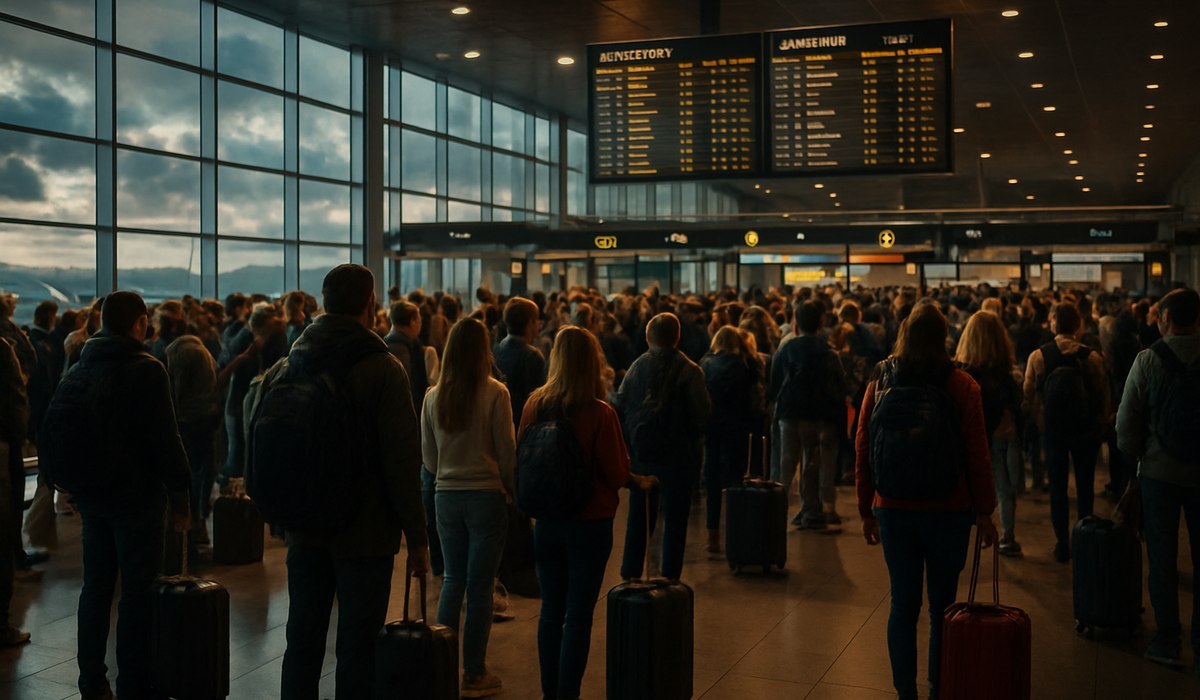
Image generated by AI
Spring Break Travelers Stuck in Record Delays from New York to Florida
JFK Airport is experiencing significant disruptions that extend southbound to major Florida leisure hubs. Thousands of passengers traveling from New York's John F. Kennedy International Airport to Florida beach destinations and theme parks are facing compounding delays as adverse weather collides with post-winter scheduling constraints. The disruption, which intensified on April 8, 2026, reflects a cascading network failure affecting one of America's most heavily traveled leisure corridors. Airlines operating the New York-to-Florida route are squeezed between northern weather systems and southern storm activity, leaving little room for operational flexibility during peak spring break and Easter holiday travel.
Weather Turbulence Meets a Busy Spring Travel Rush
Eastern U.S. airspace entered a volatile weather pattern in early April 2026, with tracking data revealing thousands of delays across major hub airports including New York, Los Angeles, Seattle, and Orlando. New York area airports have emerged as the epicenter, triggering knock-on disruptions throughout domestic networks that depend on these facilities for aircraft and crew rotations.
Meteorologists flagged heavy rain and flooding risks for South Florida between early and mid-week, directly threatening Miami and Fort Lauderdale operations. This dual pressure—poor flying conditions in the north combined with unstable weather at key southern endpoints—eliminates the rerouting flexibility airlines typically employ during disruptions. Delays on Florida-bound flights have become longer and far less predictable as a result.
The timing compounds an already-strained system. Winter 2025-2026 delivered a major January storm and a powerful March blizzard that collectively wiped out tens of thousands of flights nationally. Airlines entered spring with minimal schedule slack and reduced crew availability just as leisure demand accelerated. With peak spring break and Easter holiday travel now underway, JFK's role as the gateway to Florida sun markets has made it the focal point for disruption stretching from Queens airport terminals to coastal Florida hotel lobbies.
Check FlightAware for real-time tracking of your specific flight status.
JFK Congestion Ripples Across Domestic Networks
Congestion originating at JFK delays snarl onward connections throughout the Eastern Seaboard and beyond. Aircraft beginning their operational day in the Northeast and scheduled for multiple Florida roundtrips often fall hours behind schedule by mid-afternoon. That cascade effect reaches secondary leisure markets—Gulf Coast airports and smaller resort destinations—that depend on connecting traffic through major Florida hubs.
The Federal Aviation Administration has implemented traffic management initiatives including departure delays, arrival spacing, and targeted ground stops during peak congestion hours. These measures, while necessary for safety, create a domino effect that persists across an entire operational day. Carriers operating these routes report having few options to recover once delays accumulate, particularly when aircraft assignments are tightly scheduled across multiple daily leisure segments.
Visit the FAA's official website for current air traffic delays and advisories affecting your departure or arrival airports.
Florida Leisure Corridors Bear the Brunt
Florida's major tourism gateways—Orlando, Miami, and Fort Lauderdale—all reported elevated delay levels on April 8, 2026, alongside scattered cancellations. South Florida airports experienced hundreds of late arrivals and departures as active storm systems slowed ground operations and created airspace congestion.
These three airports anchor some of the nation's densest leisure traffic patterns. Fort Lauderdale receives hundreds of monthly nonstop flights from New York area airports, while Miami and Orlando collectively process tens of millions of annual passengers, predominantly on holiday itineraries centered on theme parks and cruise embarkation. When delays cascade southbound from JFK, these corridors absorb the impact rapidly.
Traveler reports from recent weeks describe missed cruise departures, forfeited hotel nights, and last-minute rental car shortages as visitors attempt salvage operations. Some passengers have rebooked through alternative airports or driven extended distances when flights were cancelled or severely delayed. The economic ripple effect extends beyond airlines to hospitality, ground transportation, and cruise industries dependent on timely passenger arrivals.
Airlines Squeezed by Limited Schedule Flexibility
Industry performance benchmarks reveal structural vulnerability in America's major hubs. JFK ranks among the lowest in on-time arrival percentages nationally, with comparable metrics for Fort Lauderdale and Orlando. This fragility means that routine weather events or minor congestion can saturate operations quickly at either end of a route.
Studies examining 2025 disruption patterns identified concentration of delays on select domestic and international routes from major coastal hubs, with Florida pairings featuring prominently among heavily disrupted corridors. This reflects the seasonal volume of leisure passengers and heightened sensitivity to weather and air traffic control restrictions.
Airlines operating the New York-to-Florida leisure market face a structural squeeze. Aircraft tightly scheduled across multiple daily roundtrips have minimal recovery time when morning delays cascade forward. Without schedule buffers typical of less-congested corridors, a single weather system or congestion event generates outsized disruption for holidaymakers whose itineraries lack flexibility. The competitive pressure to maximize aircraft utilization during peak seasons has left carriers with insufficient operational margins.
The U.S. Department of Transportation's Aviation Consumer Protection Division provides guidance on passenger rights, compensation eligibility, and complaint procedures for flight disruptions.
Delays Snarl Florida Routes: Real-Time Impact Data
| Metric | Status | Impact |
|---|---|---|
| JFK Departure Delays (Apr 8) | 500+ flights | Average 2-4 hour pushbacks |
| Florida-Bound Connections | 2,000+ passengers | Missed onward flights and bookings |
| Fort Lauderdale Arrivals | 300+ late | Ground congestion through evening |
| Miami Operations | 250+ delays | Reduced landing capacity |
| Orlando Hub Delays | 200+ flights | Secondary market impact |
| Cruise Port Misses | 100+ passengers | Lost deposits and rebooking costs |
| Cancellations (April 8) | 75-100 flights | Network-wide disruption |
What This Means for Travelers
If you're bound for Florida on leisure travel, take these immediate actions:
-
Check your flight status now using FlightAware and your airline's app; delays change hourly and real-time data informs rebooking decisions.
-
Contact your airline directly before the airport; customer service representatives can discuss alternative flights, standby options, and rebooking on partner carriers before gate changes multiply.
-
Photograph your booking confirmation and save airline contact numbers; system overloads often prevent quick phone connections during major disruptions.
-
Request written acknowledgment of any missed connections, cancellations, or substantial delays from your airline; this documentation supports compensation claims under DOT regulations.
-
Book alternate ground transportation (rental car or bus) if your arrival is delayed beyond 6 hours; airport shuttles and ride services saturate during cascading delays.
-
Notify hotels, rental companies, and cruise lines immediately of any delay; many will hold reservations without penalty during weather-related airline disruptions.
-
Understand your rights under DOT regulations; carriers must provide meals, ground transportation, and rebooking for weather delays, though compensation policies vary by airline and delay length.
FAQ: April 2026 Florida-Bound Flight Delays
Q: Why are delays snarl Florida routes specifically during spring break?
A: Florida-bound flights concentrate seasonal leisure demand through just three major hub airports. When JFK experiences weather or congestion, these high-volume corrid
Disclaimer
This article is for informational and educational purposes only. It does not constitute legal, financial, or professional advice. While we strive to provide accurate and up-to-date information, travel policies, regulations, and conditions change rapidly. Always verify information with official sources before making travel decisions. Nomad Lawyer makes no representations about the accuracy, reliability, completeness, or suitability of the information provided. Readers should consult qualified professionals for advice specific to their circumstances. The views expressed in this article are those of the author and do not necessarily reflect the views of Nomad Lawyer.
Kunal K Choudhary
Co-Founder & Contributor
A passionate traveller and tech enthusiast. Kunal contributes to the vision and growth of Nomad Lawyer, bringing fresh perspectives and driving the community forward.
Learn more about our team →