
Stingray City Grand Cayman Visitor Guide 2026: Tour Costs, Wildlife Rules, and Logistics
A comprehensive logistics guide to visiting Stingray City in Grand Cayman, detailing 2026 tour pricing, wildlife interaction laws, and essential transit tips for cruise and hotel guests.

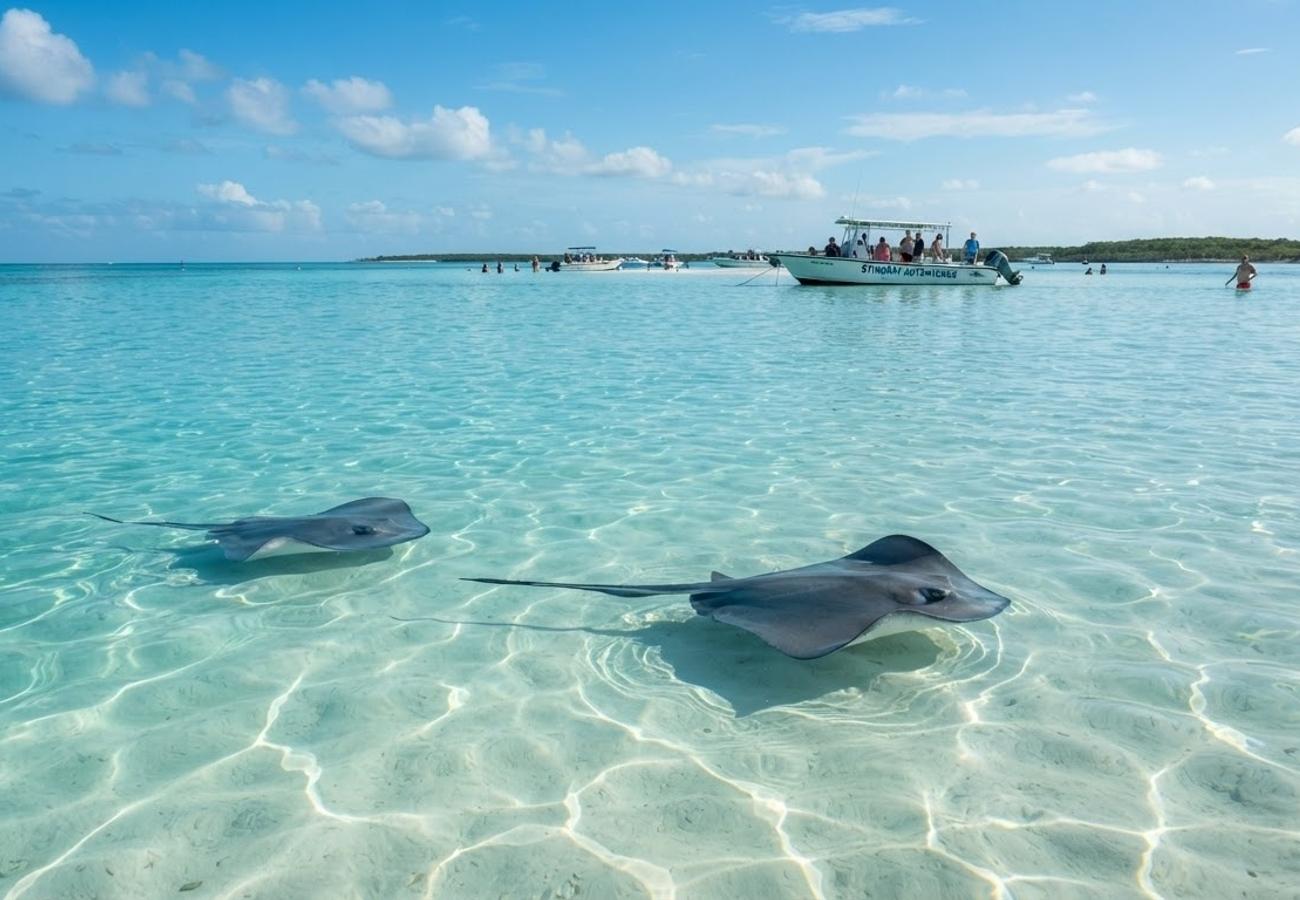
Image generated by AI
Visiting the North Sound lagoon requires precise timing and an understanding of local Wildlife Interaction Zone laws to avoid fines and ensure safety.
Stingray City is not a managed facility or a dock, but a series of shallow sandbars located in the North Sound lagoon off the north side of Grand Cayman. This protected, reef-sheltered area is situated approximately 25 to 35 minutes by boat from marinas in George Town or Seven Mile Beach. The site is a natural congregation point for wild southern stingrays, which have become habituated to tourist vessels.
For most visitors, the experience centers on the Stingray City Sandbar, where water depths typically range from 3 to 4 feet. A separate, deeper site exists for certified divers who kneel on the sandy bottom. Most commercial excursions integrate the sandbar visit with snorkeling stops at Coral Gardens or the Barrier Reef to observe tropical fish and sea turtles.
2026 Tour Specifications and Pricing
Transit to the sandbars is exclusively via organized boat tours. Pricing varies based on the itinerary length and the point of departure.
| Tour Type | Duration | Typical Cost (USD) | Key Stops |
|---|---|---|---|
| Standard Excursion | 3–5 Hours | $70 – $120 | Sandbar, Reef Snorkel, Starfish Point |
| Grand Tour | 5 Hours | $100 – $120 | Sandbar, Coral Gardens, Starfish Point, Turtle Centre |
| Basic Sandbar/Reef | 2–3 Hours | $60 – $90 | Stingray City Sandbar & Reef Snorkel |
| Boutique Catamaran | Variable | Premium | Sunset Sandbar visit, Seven Mile Beach return |
Traveler Logistics Guide: Navigating the North Sound
From a ground-level perspective, the most critical variable in a Grand Cayman itinerary is the "tender process." Because Grand Cayman is a tender port, cruise ships remain offshore. Passengers must transfer to smaller boats to reach George Town, a process that adds 20 to 40 minutes to each leg of the journey.
Booking Strategies:
- Cruise Passengers: While cruise-line excursions are more expensive, they provide a "back to ship" guarantee. Independent tours can save 20% to 40% on costs, but require strict adherence to meeting times to avoid missing the ship's departure.
- Hotel Guests: Those staying at Seven Mile Beach should prioritize small-group catamarans or powerboats. These depart from beachside docks and generally offer a less crowded experience than the large vessels used for cruise crowds.
- Accessibility: For non-swimmers or those with mobility concerns, verify that the operator provides float belts and child-sized life vests. Most sandbars allow visitors to remain near the ladder while rays glide past.
Customs and Digital Transit: Ensure all travel documents are digitized. While the excursion itself is internal, the transit from the cruise pier to the marina often involves local transport that may require valid identification.
Wildlife Interaction and Legal Compliance
The sandbars are designated "Wildlife Interaction Zones." These are the only areas in Caymanian waters where feeding or handling stingrays is legally permitted. These regulations are monitored by conservation officers.
Strict Compliance Rules:
- Feeding: Only approved foods (small pieces of squid or ballyhoo) provided by permitted guides may be used. Bringing outside bait is prohibited.
- Handling: Lifting rays fully out of the water, "bear-hugging" them, or sitting on them is strictly forbidden.
- Movement: Visitors are instructed to "shuffle" their feet along the sand rather than taking full steps to avoid surprising resting rays.
Interaction Technique: To safely feed a ray, keep fingers together and curled slightly under, presenting the squid flat on the palm. When touching, place a flat hand on the ray's back near the top, avoiding the eyes, gills, and the tail.
Infrastructure and Regional Impact
The reliance on the North Sound lagoon as a primary tourism driver has led to increased regulation of the reef line. The lagoon's natural protection ensures that waves remain modest even when the open Caribbean is choppy, though wind and rain can still trigger cancellations. The shift toward boutique, small-group charters indicates a regional move toward sustainable tourism, reducing the environmental pressure on the sandbars caused by high-capacity cruise vessels.
Experience the precision of Caribbean transit by planning your excursions around the tender schedule.
Related Travel Guides
Disclaimer
This article is for informational and educational purposes only. It does not constitute legal, financial, or professional advice. While we strive to provide accurate and up-to-date information, travel policies, regulations, and conditions change rapidly. Always verify information with official sources before making travel decisions. Nomad Lawyer makes no representations about the accuracy, reliability, completeness, or suitability of the information provided. Readers should consult qualified professionals for advice specific to their circumstances. The views expressed in this article are those of the author and do not necessarily reflect the views of Nomad Lawyer.
Preeti Gunjan
Contributor & Community Manager
A passionate traveller and community builder. Preeti helps grow the Nomad Lawyer community, fostering engagement and bringing the reader experience to life.
Learn more about our team →